
Highlights:
- She refused to fit the traditional mould
- Glamour never stopped her being taken seriously
- She built a career without abandoning her roots
- She chose not to have children
- Her philanthropy became part of her legacy
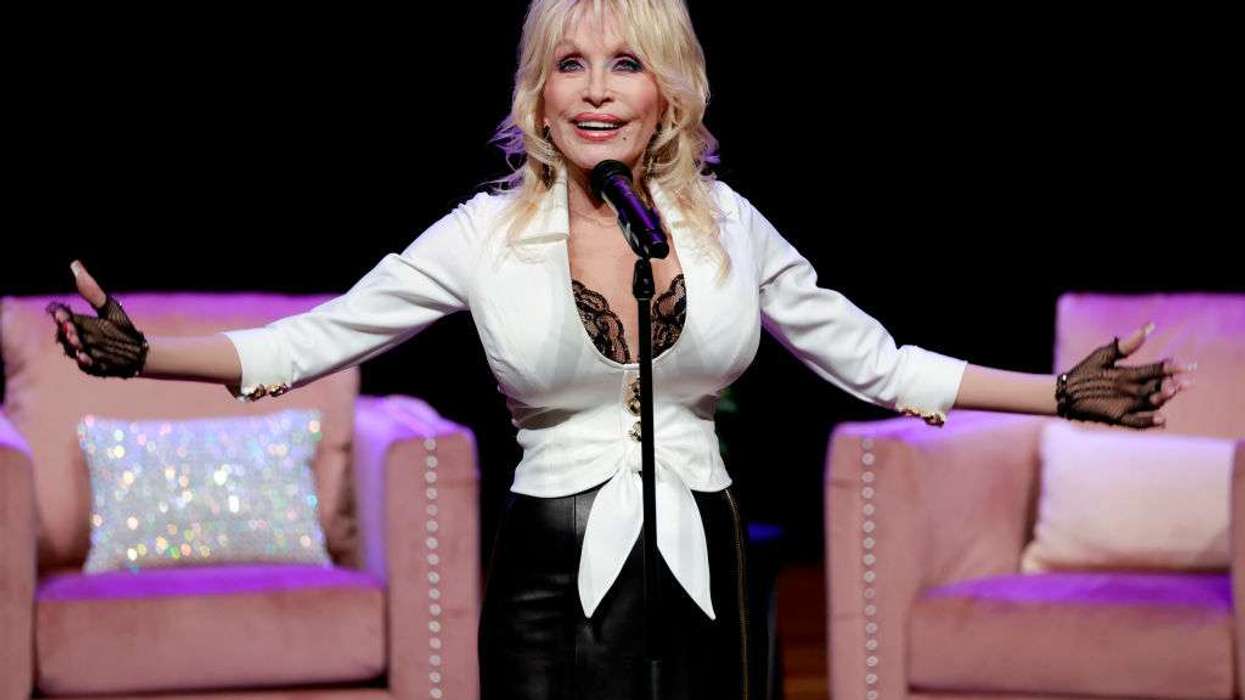
Dolly Parton's greatest act of rebellion may not have been a song, a film role or even the creation of Dollywood. It was the decision to live her life according to her own rules.
She emerged from a poor Tennessee family and became one of the world's most recognisable entertainers without ever trying to erase the woman she had been before fame.
Her career challenged several assumptions about women at once. She could be glamorous and commercially successful, funny and ambitious, traditionally feminine and fiercely independent. She could sing about heartbreak while controlling her business affairs, write about working women while becoming an entrepreneur herself, and maintain a decades-long marriage without allowing it to define her.
“I’m gonna be the best I can be at whatever age”
Parton's attitude towards ageing was part of that independence.
She openly discussed cosmetic procedures and refused to treat ageing as something women should simply accept without question. But her philosophy went deeper than trying to look young.
“I don't think about my life in terms of numbers,” she said, explaining that attitude and what comes from within mattered just as much.
That combination, caring about appearance while refusing to be defined by it, became central to her public identity.
She created an exaggerated version of femininity and then used that image to build an extraordinarily serious career.
Marriage without losing herself
Her relationship with Carl Dean offered another example of her unconventional independence.
The couple married in 1966, yet Dean remained largely outside the celebrity machine. Their marriage lasted nearly six decades, until his death in 2025.
Parton also never became a mother in the conventional sense. She later reflected that not having children allowed her to think of the wider community's children as her own.
That philosophy became tangible through her Imagination Library, which has distributed more than 300 million books to children worldwide.
“I’m kind of addicted to the feeling of giving”
Parton's independence was ultimately not just about what she refused to do. It was about what she chose to build.
She created a business empire, developed Dollywood, became an actress and producer, wrote songs that crossed generations and invested heavily in children's literacy and healthcare.
Her philanthropy became almost as important to her legacy as her music. She once described herself as “kind of addicted to the feeling of giving”, a philosophy reflected in decades of charitable work.
For women watching her career, perhaps the most powerful message was simple: there was no single correct way to live.
Parton could be a wife without surrendering her independence, child-free without being incomplete, glamorous without being frivolous and successful without abandoning her roots.
She did not spend her life trying to become somebody else's idea of a woman. She became Dolly.