
MUSEUM REIMAGINES PAINTINGS WITH FACE MASKS TO REFLECT THE NEW PANDEMIC AGE
by AMIT ROY
SOME of the greatest paintings held by the Fitzwilliam Museum in Cambridge have been digitally changed to reflect the impact of Covid-19.
The museum, which is linked to the university and is one of the most prestigious art institutions in Europe, has reimagined its best known paintings but with masks superimposed on faces.
The adapted paintings feature in postcards, which are being sold to raise funds for the museum which, like other art galleries, closed its doors in March because of the coronavirus pandemic.
Founded in 1816, the museum has over half a million objects – there is an especially strong Indian collection – which explore world history and art from antiquity to the present.
Its treasures include artworks by Claude Monet, Pablo Picasso, Peter Paul Rubens, Vincent van Gogh, Rembrandt van Rijn, Paul Cézanne, Anthony van Dyck and Giovanni Antonio Canal (commonly known as Canaletto).
Fitzwilliam’s director, Luke Syson, said: “Over the last few weeks, things we took for granted have become precious. One of those is humour that sometimes feels in short supply.
“These doctored versions of some of the Fitzwilliam’s great masterpieces wittily reimagine their protagonists as living at this moment. What a difference to our understanding of their actions and interactions the addition of a face-cover makes.
“But perhaps they make a serious point too – of how we expect to greet one another with hugs and kisses – and how much changes when that’s not possible.
“At least we can still laugh together. That’s not changed. And I hope these might help.”
John Everett Millais’s The Bridesmaid (1851) dons a delicate floral mask to match her silken gown, while The Twins, Kate and Grace Hoare (1876) prepare for an outing with their faithful hound. In Dutch artist Jan van Meyer’s portrait of The Daughters of Sir Matthew Decker (1718), the girls play safely and ensure their little doll also follows social distancing measures.
Titian’s Venus and Cupid with a Lute Player (1555-1565) also gets a new look, as does La Liseuse (The Reader) (1860) by Belgian painter Alfred Émile Léopold Stevens.
The museum says “this specially designed range provides a unique perspective on our current lives through the art we know and love. The cleverness is the art direction for the masks is consistent with the style of each painting.”




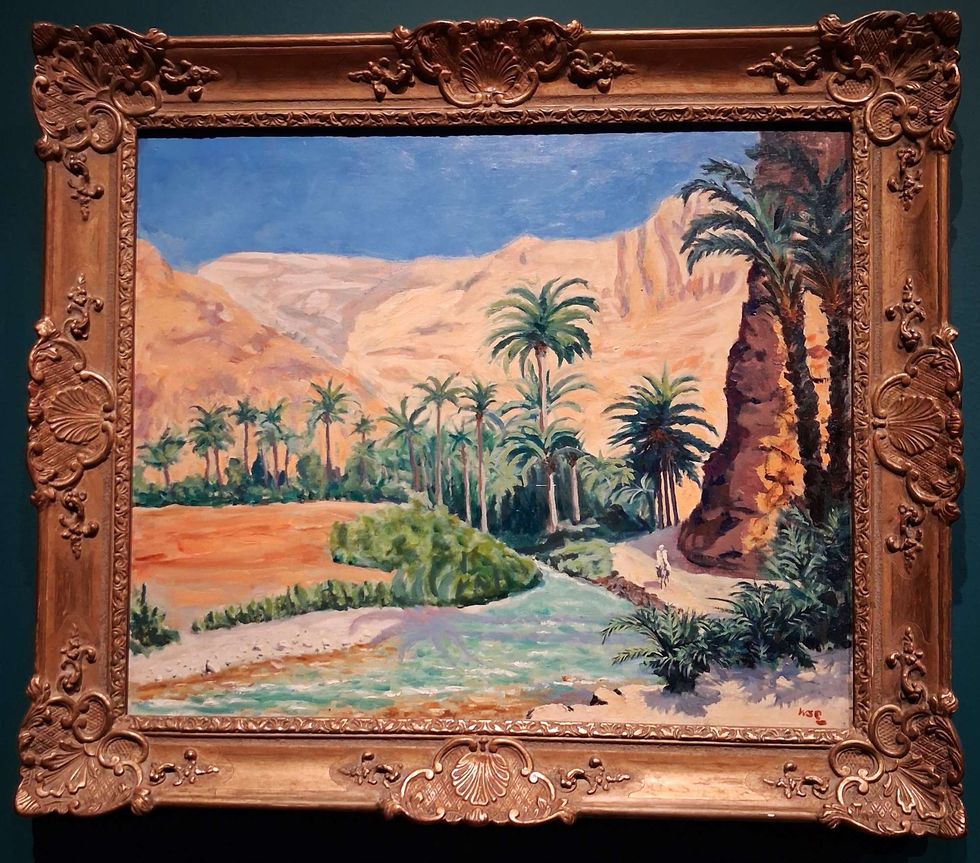 Near MarrakechAmit Roy
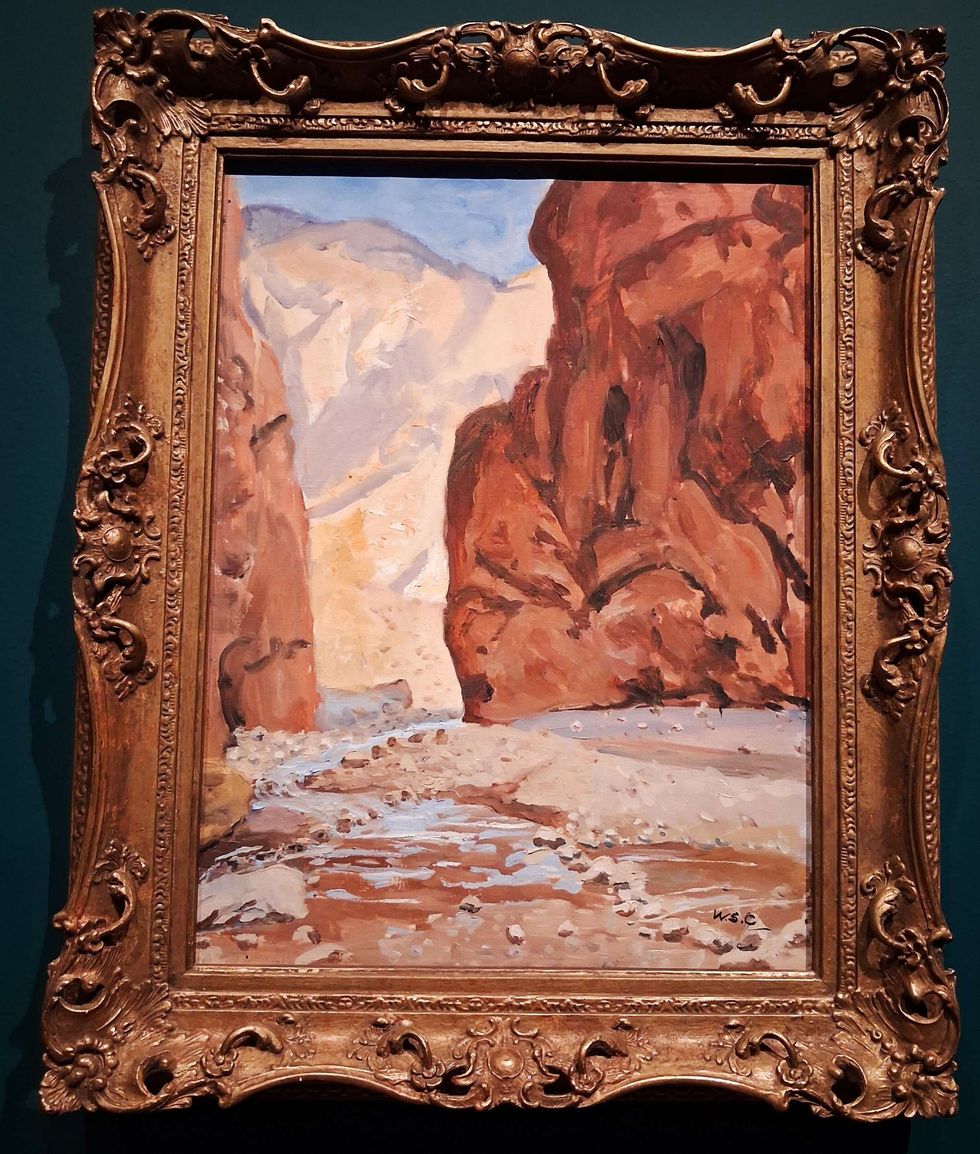 The Todhra Gorge Amit Roy
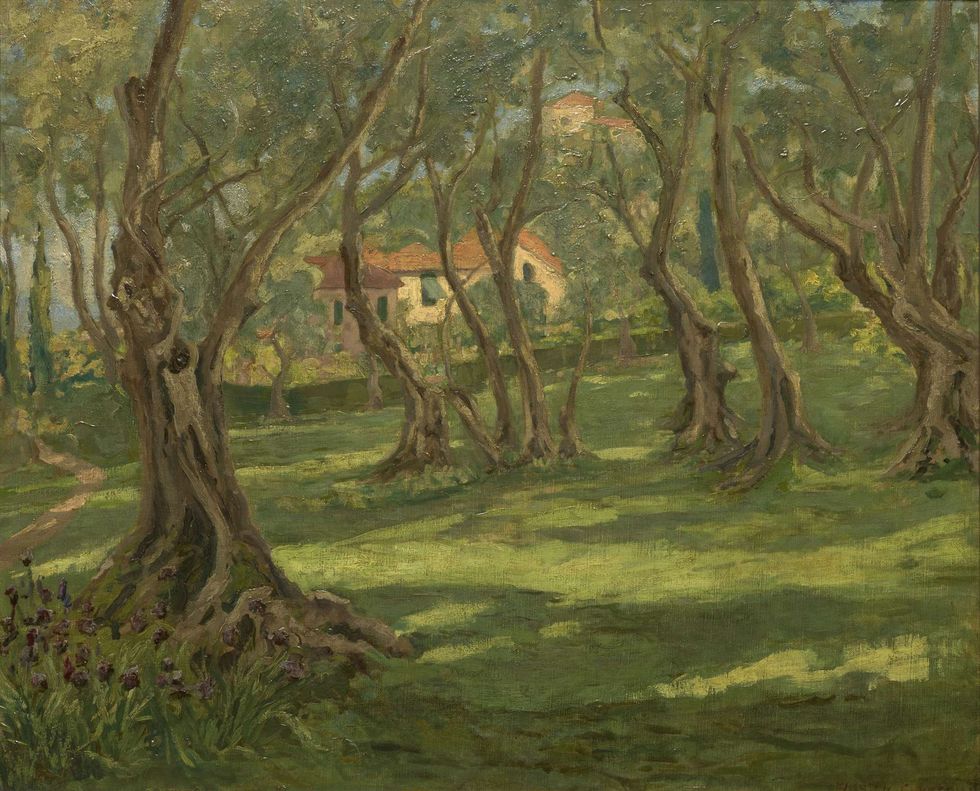 La DragonnièrePrivate Collection © Churchill Heritage Ltd_Photograph by Howard Agriesti
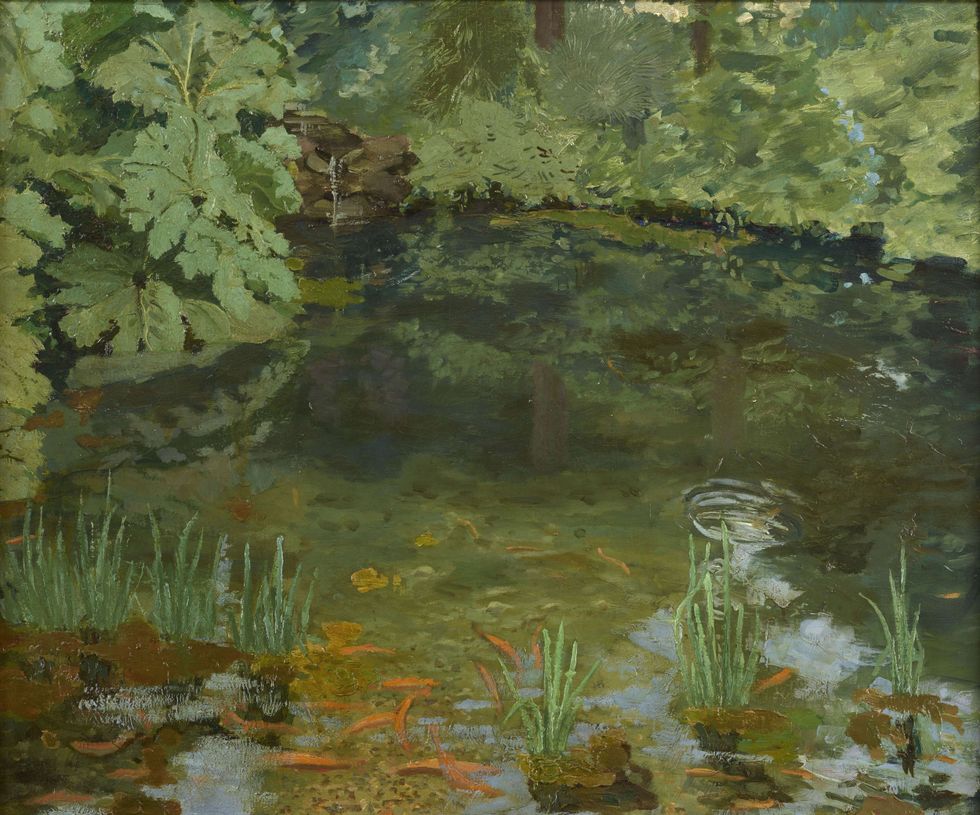 The Goldfish Pool at Chartwell Private Collection © Churchill Heritage Ltd Matthew Hollow Photo
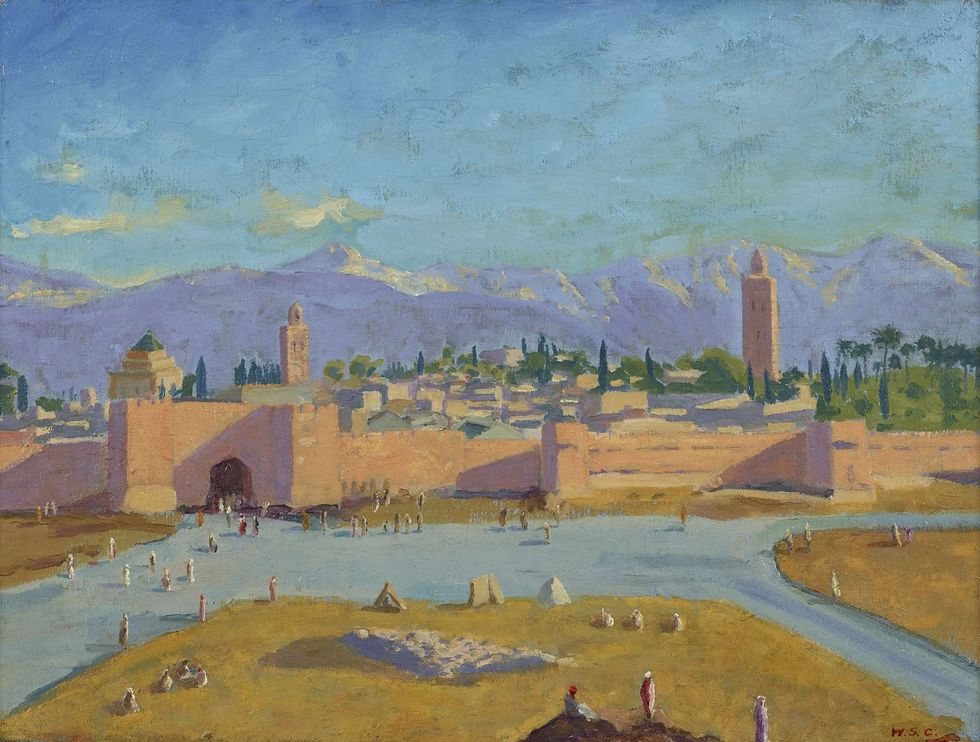 The Tower of the Koutoubia MosquePrivate Collection © Churchill Heritage Ltd_Image courtesy The Churchill Heritage Ltd
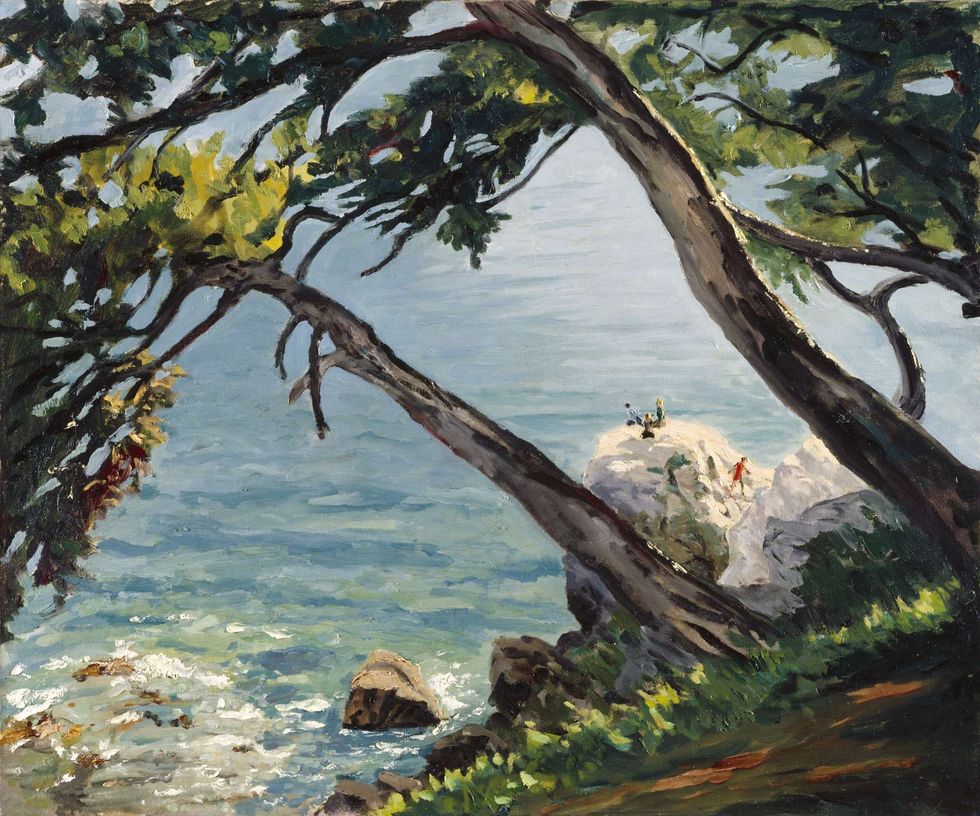 Cap d’Ail, Alpes-MaritimesRoyal Academy of Arts, London © Churchill Heritage Ltd Photo ©Royal
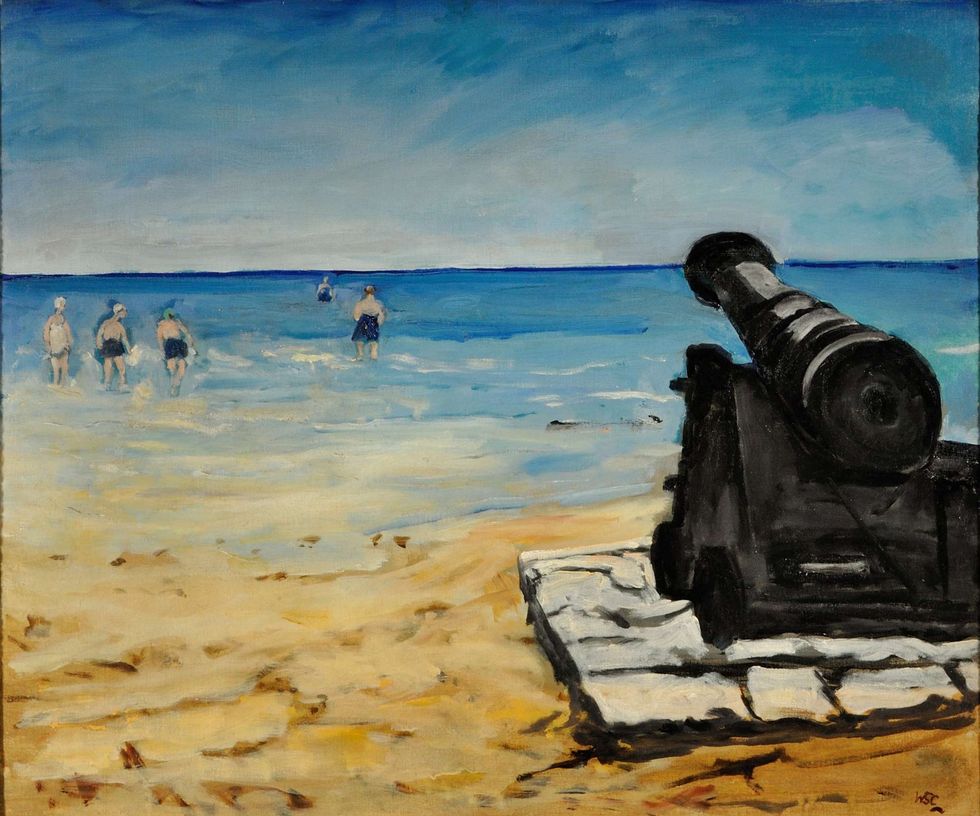 The Beach at Walmer America's National Churchill Museum at Westminster College, Fulton, Missouri © Churchill Heritage Ltd
 Sketch of Lake Carezza, or ‘The Twenty-Minute Sketch'National Trust, Chartwell © Churchill Herita
