
- The European Commission is examining four alleged practices involving wholesale discounts, packaging differences and retailer purchasing agreements.
- CCEP is the largest supplier of carbonated soft drinks in eight EU member states.
- The investigation could have implications for competition, supermarket purchasing power and consumer choice, but no breach has been established.
Supermarkets and other retailers across Europe could have been missing opportunities to secure better deals on Coca-Cola products because of commercial restrictions allegedly imposed by the company's largest European bottler.
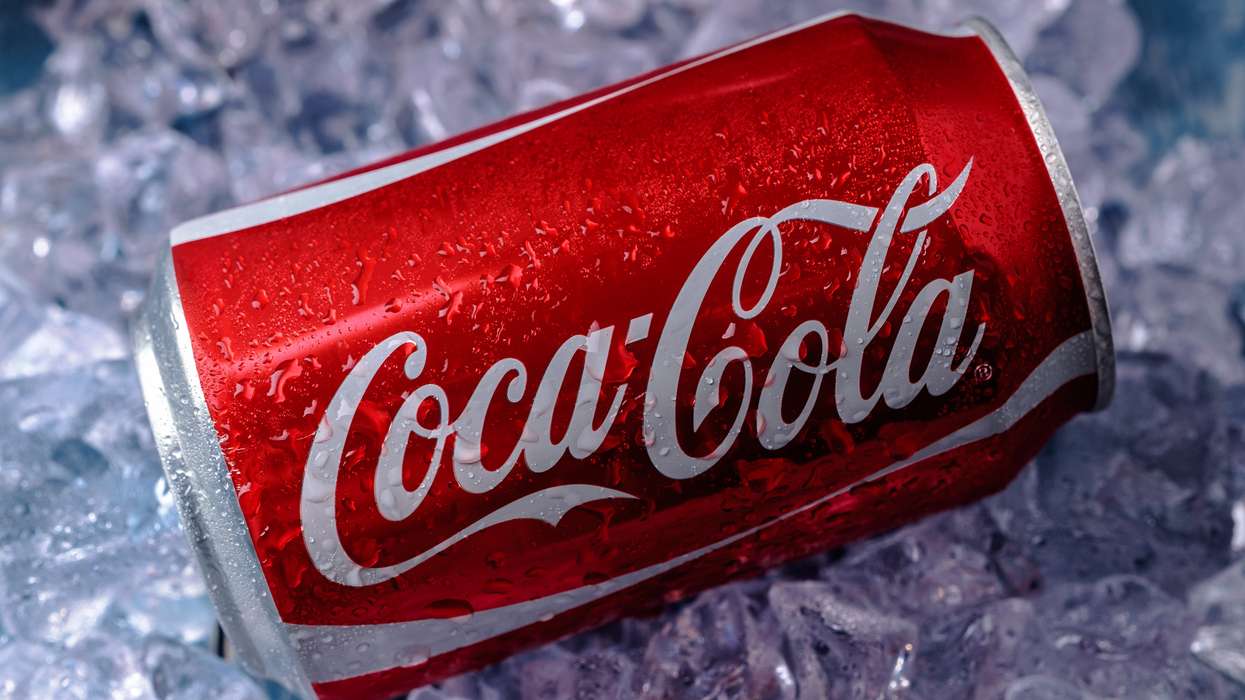
The European Commission has opened a formal antitrust investigation into Coca-Cola Europacific Partners (CCEP), examining whether the UK-headquartered company abused its dominant market position by restricting cross-border trade and limiting how wholesale customers negotiated supply agreements.
The investigation, announced on Monday (23), centres on the wholesale supply of carbonated soft drinks and sports drinks to supermarkets and other retailers. The Commission suspects that some of CCEP's commercial practices may have made it harder for businesses to purchase products in one EU country and sell them in another.
CCEP is one of the two largest European bottlers supplying beverages under The Coca-Cola Company brands. It operates in Belgium, France, Germany, Luxembourg, the Netherlands, Portugal, Spain and Sweden, where the Commission identifies it as the largest supplier of carbonated soft drinks.
The inquiry will examine whether the company's practices restricted competition between national markets, potentially reducing retailers' ability to negotiate favourable terms. If competition is weakened, consumers could face higher prices and less choice, although the Commission has not established that this has happened.
What is the EU investigating?
The Commission has identified four areas of concern.
The first involves wholesale discounts. Investigators will examine whether CCEP made price reductions conditional on retailers or distributors agreeing not to export the drinks to other EU member states. Such conditions, if established, could prevent businesses from buying products in countries where wholesale prices are lower and reselling them in markets where they could secure better returns.
The second concerns differences in product packaging between countries. The Commission is investigating whether CCEP used different packaging volumes for carbonated soft drinks to make cross-border trade more difficult.
A third allegation relates specifically to Spain. The regulator will examine whether the bottler offered incentives to retailers to restrict imports of carbonated soft drinks into the country.
The fourth concerns purchasing negotiations. The Commission suspects that CCEP refused to allow some wholesale customers to negotiate procurement agreements covering several countries together, insisting instead on separate national negotiations.
For supermarket groups operating across multiple European markets, the ability to negotiate supply agreements collectively can strengthen their purchasing power. Separate negotiations could limit that leverage and make it harder to secure consistent commercial terms across countries.
The investigation focuses on retailers selling products for consumption away from their premises, such as supermarkets and other shops. Restaurants, hotels and cafés are not included in the customer category specified by the Commission.
EU competition chief Teresa Ribera said the regulator was examining whether Coca-Cola had created barriers between national markets, making it harder for retailers to buy products across borders and secure better deals.
She warned that such practices could undermine the single market, restrict competition and ultimately lead to higher prices and less choice for consumers.
What could the investigation mean for retailers and shoppers?
The case raises wider questions about how multinational suppliers negotiate with retailers operating across different European markets.
The EU's single market is designed to allow goods to move freely between member states. Restrictions that prevent businesses from sourcing products across national borders can weaken that principle and reduce competition between suppliers.
If the allegations are proven, retailers could have greater scope to compare wholesale prices, negotiate purchasing agreements across multiple countries and source products from different markets. That could strengthen competition between distributors and potentially create opportunities for better prices and wider consumer choice.
However, the investigation does not guarantee that supermarket prices will fall. Retailers' purchasing costs are only one factor influencing what shoppers pay, alongside transport, operating expenses, taxes and other commercial considerations.
The Commission's action follows unannounced inspections at CCEP premises in several EU countries in March 2025. It is investigating whether the suspected practices amount to an abuse of a dominant position under Article 102 of the Treaty on the Functioning of the European Union.
CCEP said it takes competition law very seriously and is firmly committed to complying with all applicable laws and regulations in the markets where it operates. The company added that it would continue to engage fully with the Commission's inquiries.
The regulator has not set a deadline for completing the investigation. It has also stressed that opening formal proceedings does not prejudge the outcome.
For retailers, the case could become an important test of how suppliers with strong market positions negotiate prices and distribution across national borders. For shoppers, the eventual outcome could influence how freely products move between European markets and how much competition exists behind the prices on supermarket shelves.