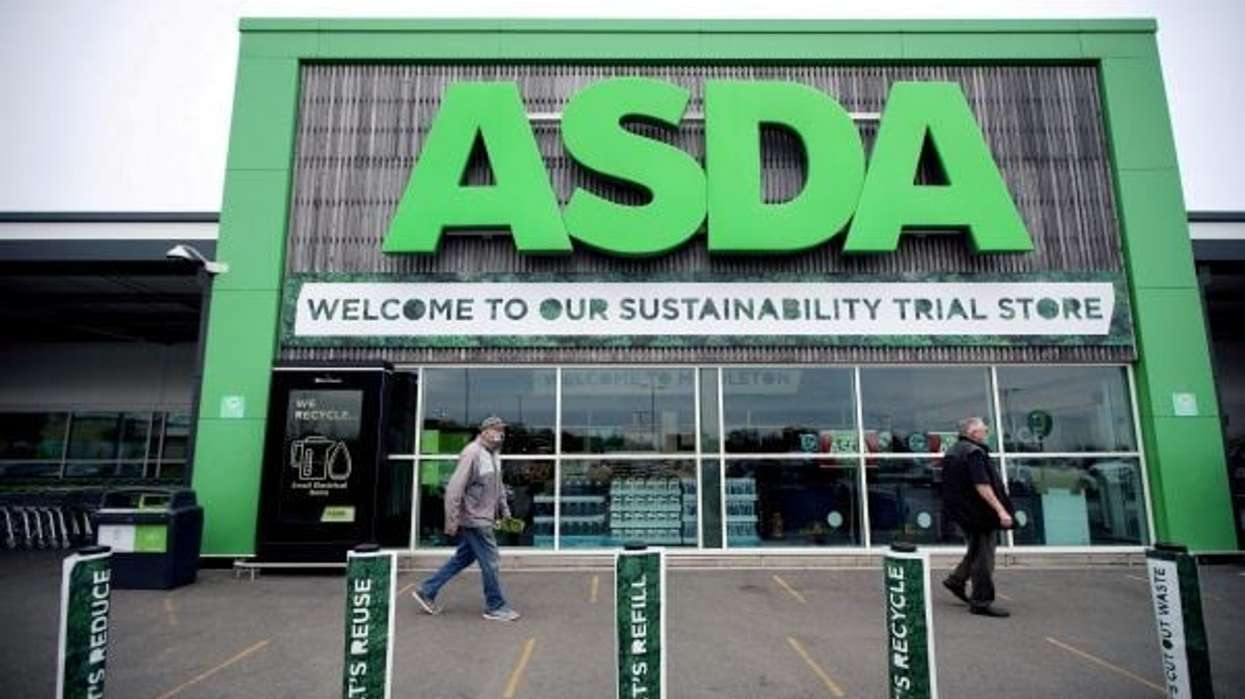

- Thousands of devices controlling tens of thousands of refrigeration units were taken offline across Britain.
- The operation followed attacks on refrigeration systems at supermarkets and food processing sites across Europe.
- The manufacturer, Resource Data Management, says it has released security patches and found no evidence of malicious activity on its controllers.
A hidden weakness in the systems controlling supermarket fridges and freezers triggered a major cyber-security operation across Britain, as researchers and government agencies worked to prevent hackers from disrupting the country's food supply.
Thousands of devices managing tens of thousands of refrigeration units were disconnected from the open internet, following warnings that vulnerabilities in British-made control systems could have provided an entry point for cyber criminals or state-backed hackers.
The operation involved major supermarket chains, warehouses, restaurants, petrol stations, stadiums and other businesses reliant on commercial refrigeration.
In some cases, companies remotely disconnected the devices. Others physically removed internet cables and instructed staff to monitor temperatures manually while their systems were secured.
The National Cyber Security Centre (NCSC), the Department for Environment, Food and Rural Affairs (Defra) and the Food Standards Agency (FSA) were involved in the response, alongside security researchers and industry IT teams.
The BBC reported that most major supermarkets diverted IT staff to deal with the threat. An employee at one large chain said hundreds of devices were taken offline each day over the course of a week.
The operation was kept confidential while companies worked to address the vulnerabilities, with researchers concerned that public disclosure could alert attackers to the weakness before it was fixed.
How did researchers discover the weakness?
The discovery followed a series of cyber-attacks on refrigeration systems across Europe.
In August, refrigeration units at a small number of US military bases were affected. On October 11 and 12, hundreds of supermarkets and food processing sites in France were hit after attackers targeted temperature control systems supplied by Danish manufacturer Danfoss.
A further wave on November 1 and 2 affected dozens of supermarkets across seven European countries, with Belgium and Luxembourg among the worst-hit. A small number of blood bank sites in France were also affected.
The attacks caused food to spoil and led to substantial financial losses for retailers.
Although Britain was initially thought to be less exposed because its refrigeration industry uses different equipment, ethical hackers began examining the security of systems supplied by British manufacturer Resource Data Management (RDM).
The vulnerability was first identified by researchers at Omega Solutions and subsequently investigated by cyber-security firm Pen Test Partners. The teams identified weaknesses in RDM's refrigeration controllers, prompting them to alert the authorities and affected businesses.
Ken Munro of Pen Test Partners said the systems had a weak-password problem similar to vulnerabilities found in equipment targeted during earlier European attacks.
He warned that the growing attention on these widely used devices meant it could have been only a matter of days before criminals or state-backed hackers discovered the weakness.
The researchers and authorities then worked to contact supermarkets and other businesses at risk, while IT teams identified exposed devices and took steps to secure them.
What has the manufacturer said about the threat?
RDM has disputed the severity of the vulnerabilities identified by researchers and argued that comparisons with the European attacks were not entirely fair.
Chief executive Ged Evans said the vulnerability had been identified in a test environment and that the security exercise went beyond normal procedures, including dismantling the company's hardware.
However, he said RDM had acted quickly to address the concerns, releasing initial software patches and contacting customers with advice on mitigating the risks.
The company also confirmed that it had found no evidence of malicious activity on its controllers and was continuing to work with the NCSC and other authorities to monitor the situation.
Pen Test Partners said the issue had largely been mitigated, although smaller businesses operating refrigeration equipment could still be exposed.
The incident highlights how equipment that is essential to everyday operations can become a potential entry point for cyberattacks when connected to wider networks.
For supermarkets, the immediate risk was the possibility of refrigeration systems being manipulated, potentially spoiling large quantities of food and disrupting warehouses and distribution networks.
The operation also extended beyond major retailers, with food manufacturers, cold storage operators, restaurants and other businesses warned to review their systems.
While the latest security response has reduced the immediate exposure, researchers have cautioned that the wider food supply chain remains complex. Smaller operators may not yet have received the necessary warnings, leaving further work to be done to secure the systems that keep Britain's food fresh.