
THE UK risks losing internationally qualified doctors as job opportunities shrink and hostility towards overseas-trained medical professionals grows, the chief executive of the General Medical Council (GMC) warned on Friday (20).
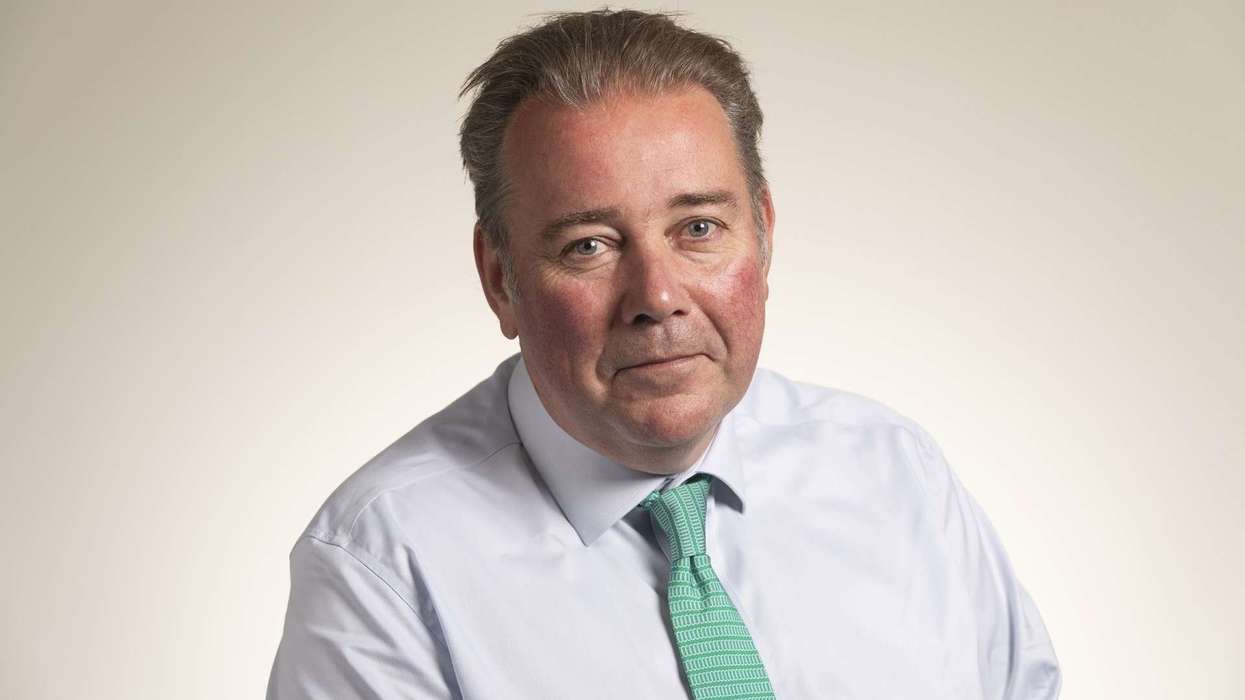
Speaking at the British Association of Physicians of Indian Origin (BAPIO) 30th anniversary conference in Birmingham, Charlie Massey said that the country is becoming a less attractive destination for doctors from overseas, raising concerns about the potential impact on healthcare services.
“The inflow of international talent, on which our system has relied, is now slowing. And the image of the UK as the destination of choice is increasingly outdated,” Massey said.
Internationally qualified doctors account for nearly 40 per cent of the UK medical workforce and are in demand across healthcare systems worldwide, he pointed out.
“If even a small proportion vote with their feet and leave UK practice, the impact could be significant,” he warned.
The remarks come amid debate over the prioritisation of UK medical graduates for training places, which Massey said has contributed to a more hostile atmosphere towards international graduates.
“In the discourse around the prioritisation of UK graduates for training places, we’ve seen some of that debate and discussion give way to hardening rhetoric and rising hostility. This has morphed into full-blown bullying for many international graduates,” he said.
Massey described such behaviour as unacceptable, saying it goes against the standards expected of doctors and will not be tolerated.
Call to strengthen efforts to address discrimination
The GMC is working with other organisations and regulators to improve workplace support for doctors from different backgrounds, a statement said.
Its efforts include developing joint anti-racism principles, promoting mentoring and induction programmes, and helping healthcare employers understand the importance of culturally safe working environments.
However, Massey argued that these measures alone cannot address the problem if wider workplace culture remains hostile.
“The reality is, more powerful than any of these interventions, is the wider context in which they take place. All the training, mentoring and induction in the world is no match for a toxic culture that scapegoats or sidelines some within it,” he noted.
He has called for sustained efforts across the healthcare system, including those involved in medical education, training and practice, to address workplace culture.
“Guarding against that pernicious pattern needs to be a system-wide and continuous effort,” Massey said, adding that culture must be recognised as a factor affecting patient care.
The GMC, which regulates doctors in the UK, has previously highlighted inequalities affecting ethnic minority and internationally qualified doctors in medical education, training and their careers.
It has called on employers and healthcare leaders to strengthen efforts to address discrimination and improve opportunities for doctors from different backgrounds.