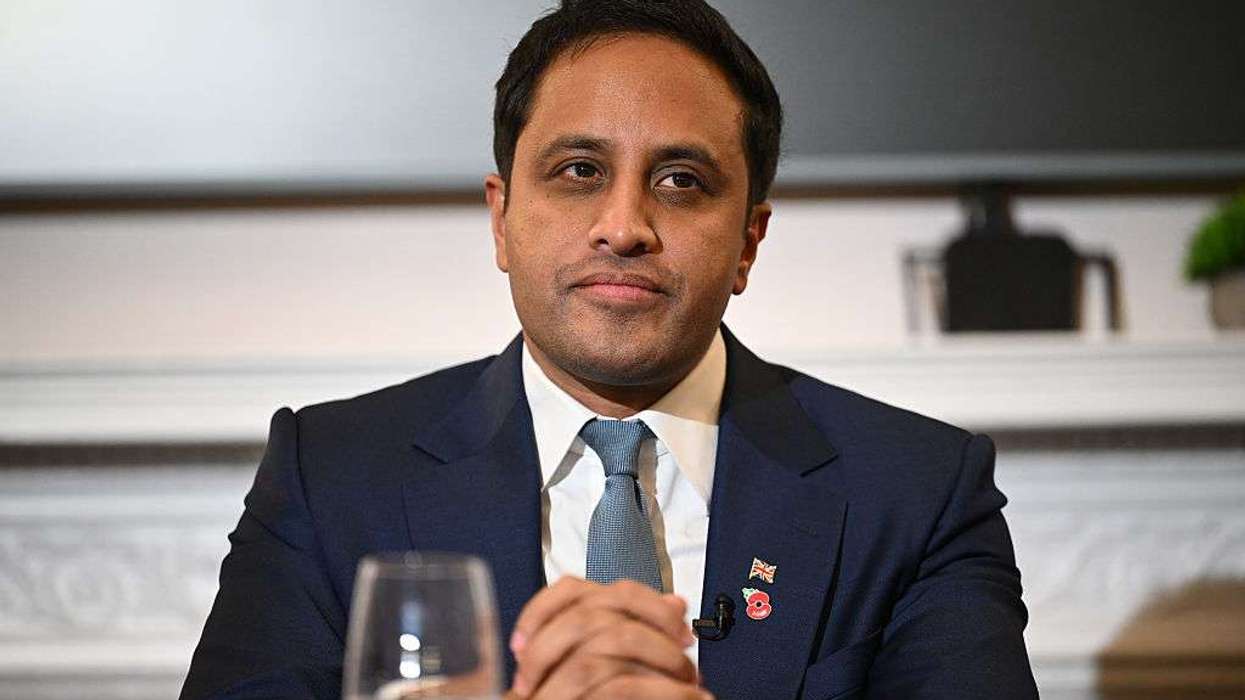

HUNDREDS of years of British Indian history, passed down through generations, could prove more resilient to automation than other forms of knowledge, AI minister Kanishka Narayan has said.
Speaking at the Bharatiya Vidya Bhavan's annual Diwali gala in London last Saturday (21), Narayan reflected on the role of culture, language and traditions in shaping humanity as artificial intelligence develops.
"When I think about AI, I think centrally of the question of how we redefine humanity in the future. And I think about this in the context of language," he said.
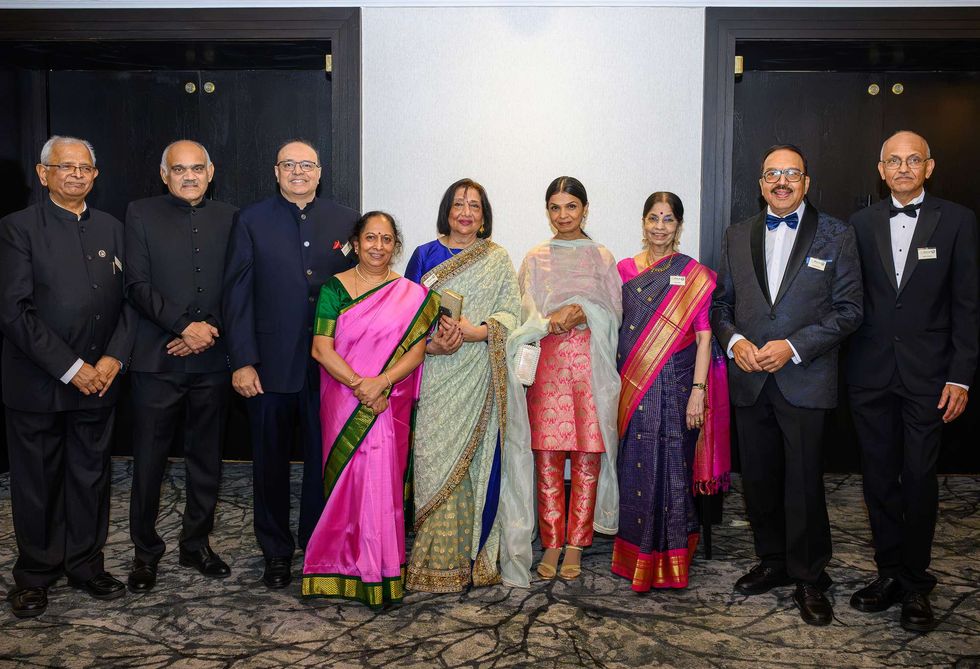 Guests at the Bharatiya Vidya Bhavan's annual Diwali gala in London last Saturday (21)The Bhavan
Narayan said traditions of storytelling, dance and music, passed down through teachers and families through mythology, vernacular languages and oral histories, were likely to withstand automation, unlike literature that could be fed into large language models.
The Bihar-born minister, who represents the Vale of Glamorgan in Wales, also spoke about the historic links between his constituency and India.
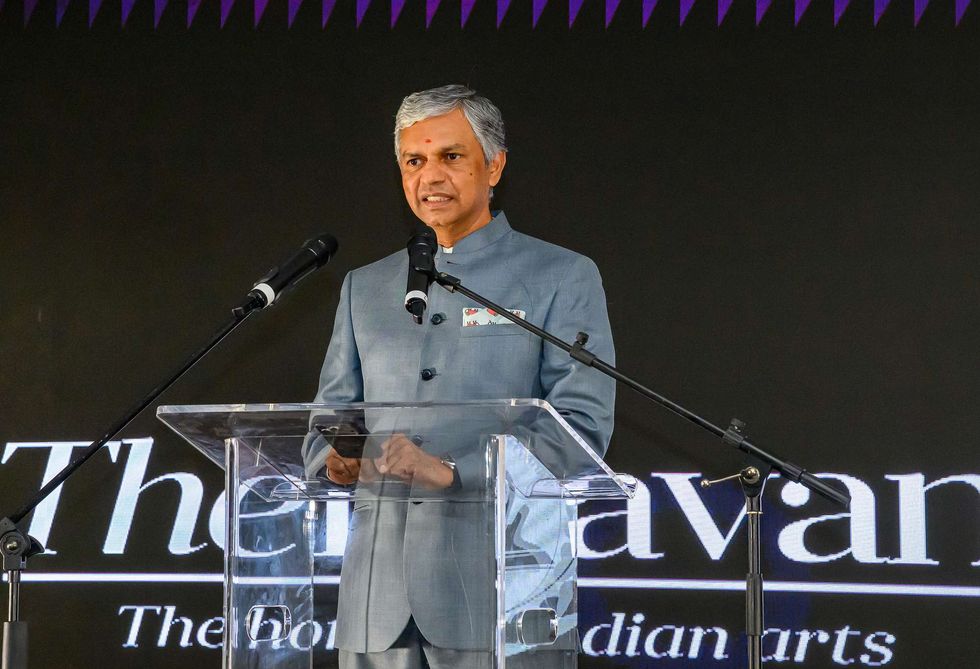 Indian high commissioner to the UK P Kumaran speaks during the eventThe Bhavan
"I grew up in a place which has a deep connection with India, and I think it's a story that I'm keen on telling a lot more as well," he said.
Narayan, the first British Indian Labour MP from Wales to serve in the Cabinet, also paid tribute to Bhavan UK patron Akshata Murty. Drawing a light-hearted comparison between his career path and that of her husband, former prime minister Rishi Sunak, he said: "One of my life's professional mottos has always been WWRD - what would Rishi do."
He added: "But let me be very clear, I have no aspirations to try and get the prime minister's job."
Indian high commissioner to the UK P. Kumaran, who attended the gala, highlighted the India-UK partnership and the contribution of the Indian diaspora. He said the diaspora was connecting the two countries, their economies and societies.
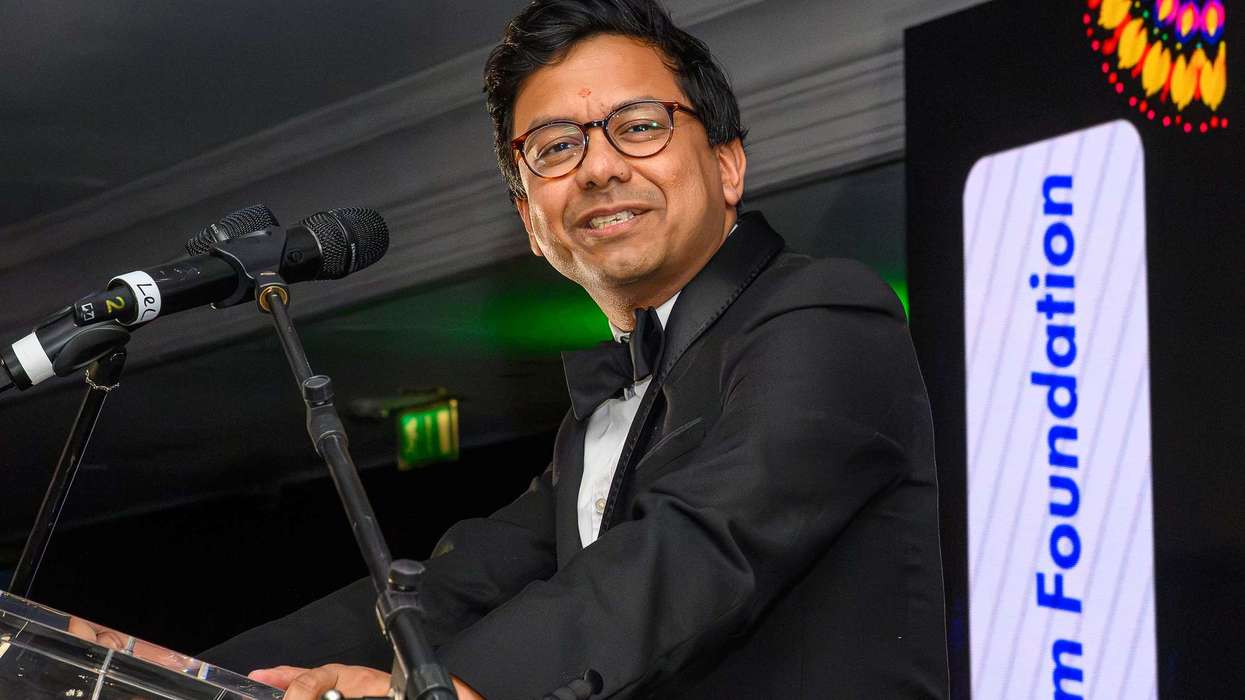
The gala featured Kathak and Bharatanatyam performances by Bhavan students and classical music. The programme opened with Sanskrit shlokas delivered by the centre's executive director, Dr MN Nandakumara.
Describing the Bhavan as a place where people could engage with the arts both in person and online, Nandakumara said it helped connect individuals from different backgrounds through a shared interest in artistic traditions. The Bhavan, a UK charity established in the 1970s, promotes Indian arts and culture through classes and performances.