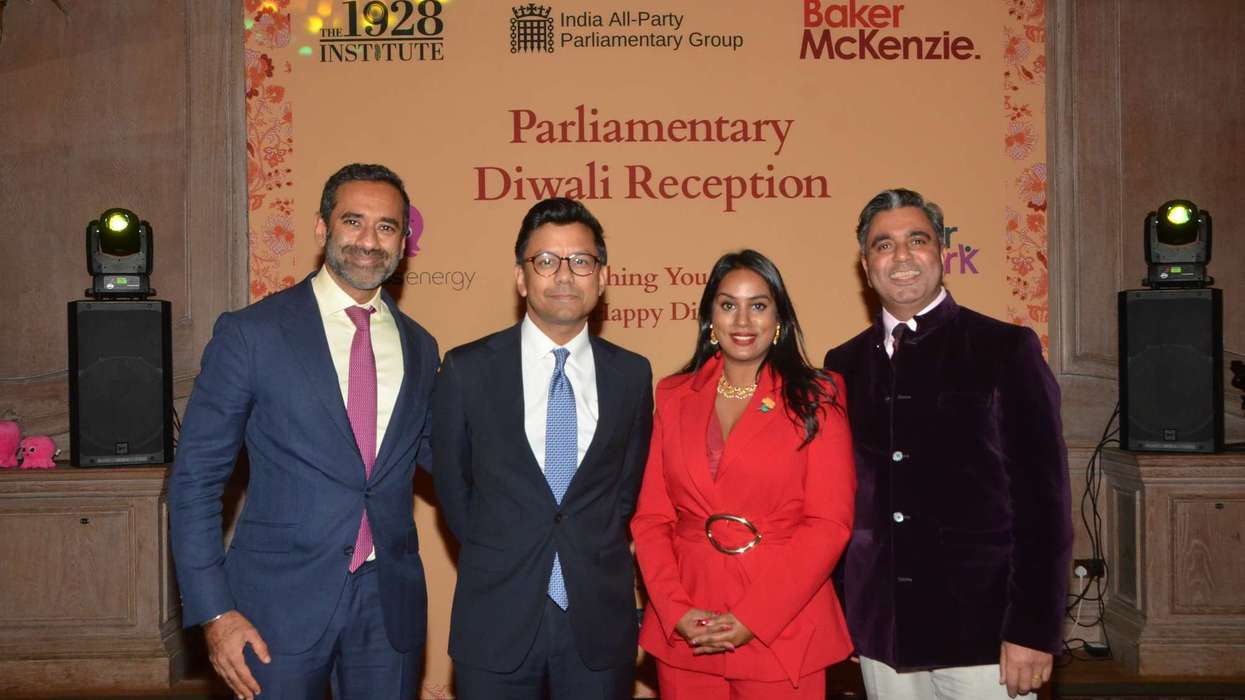

BRITISH INDIAN communities have an important role to play in strengthening ties between the UK and India, AI minister Kanishka Narayan said at a parliamentary Diwali reception in London this week.
Narayan, who grew up in Wales, spoke about the historic and personal links between the two countries, from industry and healthcare to cricket and the shared use of the English common law system.
"We have ministers of Indian heritage serving in the Foreign Office, across government and at the cabinet table. I want you to know that I am not just a voice for AI; I am a voice for the British Indian community at that table," he told guests at the Parliamentary Diwali Reception on Wednesday (21).
The 1928 Institute, the secretariat for the India All-Party Parliamentary Group, hosted the reception. It brought together politicians, business leaders and members of the British Indian community to mark the festival of lights.
Narayan highlighted the connections between Wales and India, including the copper trade, the work of Sanskrit scholar William Jones, and the contribution of British Indians to healthcare in Wales.
He also pointed to the role of Tata in the Welsh steel industry and the collaboration between the Serum Institute of India, Oxford’s research and development teams and manufacturing facilities in Wrexham in producing Covid vaccines.
“These are connections I feel deeply proud to represent,” he said.
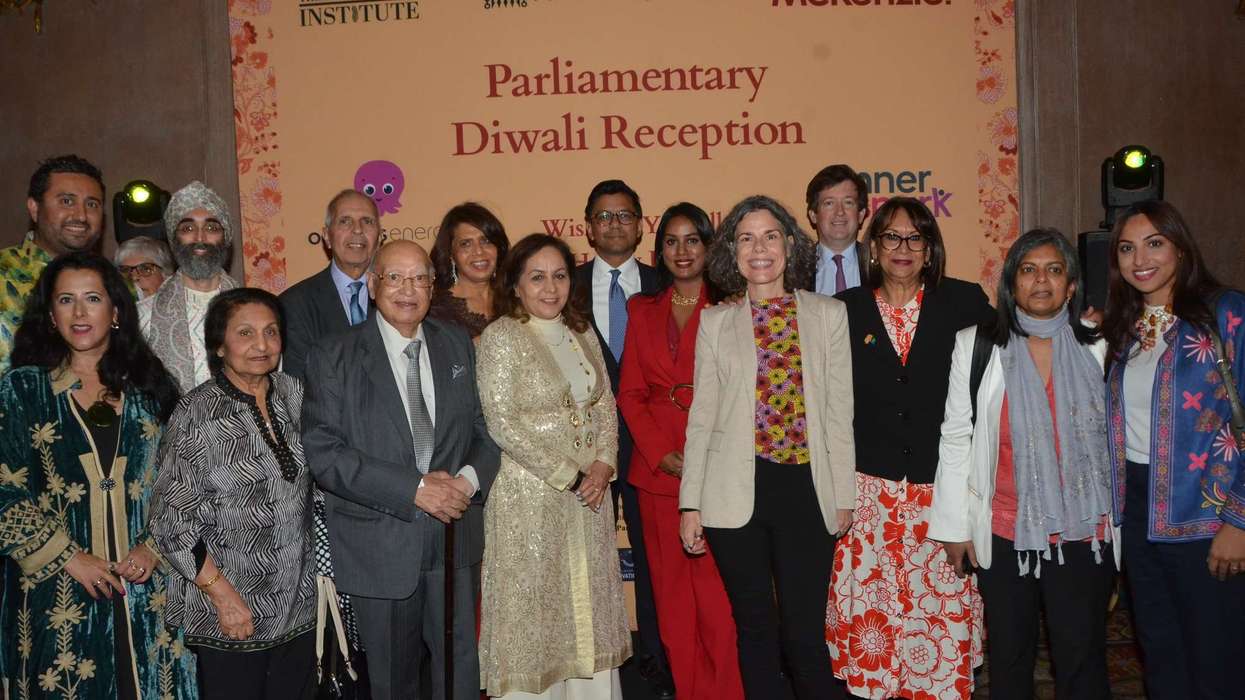 The event brought together politicians, business leaders and members of the British Indian communityAPPG India
Narayan said the links between the two countries went beyond government and business, and were reflected in the lives of people and their families.
His parents, who attended the event, practised law in India and were able to move to the UK and continue their legal careers because the two countries’ legal systems share a common foundation.
“Both our countries are relentlessly chasing the future,” he said, adding that cooperation in industry, artificial intelligence and healthcare could bring them closer together.
Uma Kumaran, a minister in the Foreign, Commonwealth and Development Office and MP for Stratford and Bow, said almost two million people of Indian heritage call the UK home. She noted that Mahatma Gandhi once lived in her constituency.
She said the UK–India free trade agreement had entered into force this year and was already making it easier for businesses to trade and invest. "Far from being the end of the story, it is the beginning of a new chapter," she said.
Senior UK delegations had been in India the week before, she added, including seven northern mayors on a trade mission. But "government can only take us so far", she said, and the next chapter would be shaped by businesses, universities and innovators.
Calling herself "an honorary Indian", Kumaran said the story of Britain's Indian diaspora should be celebrated as a model of success.
Baroness Sandy Verma, who helped establish the 1928 Institute, praised its team for reviving the legacy of the India League, founded in 1928 to seek justice for Indians and support the Indian independence movement.
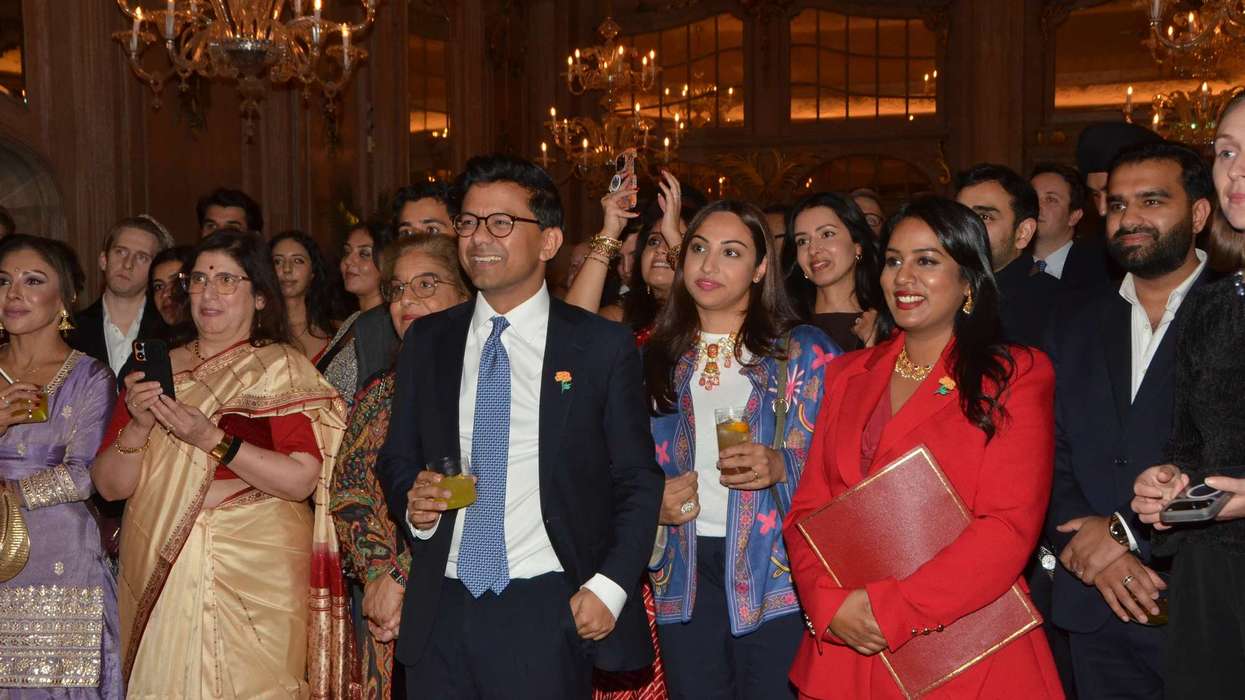 AI minister Kanishka Narayan with guests during the eventAPPG India
The institute aims to provide a political voice for British Indians and promote relations between the UK and India.
Verma said the organisation had worked to give the historic project a new direction while maintaining its connection with India.
She also urged people to consider those who might be alone during Diwali and make the festival a time of inclusion.
“For all of us from our community, we know how important family is to every one of us. But if you haven’t got that family, what do you do?” she said.
Sunny Mann of Baker McKenzie said Diwali also carried a message about the importance of knowledge and education.
He urged people to work together to challenge falsehoods and misinformation, warning that they could weaken society, democracy and the rule of law.
Guests included MPs Deirdre Costigan, Rupa Huq and Shivani Raja, peers Baroness Usha Prashar, Baroness Geeta Nargund and Lord Prem Sikka, podcaster Anita Anand, entrepreneur and philanthropist Dr Nik Kotecha and director Gurinder Chadha.