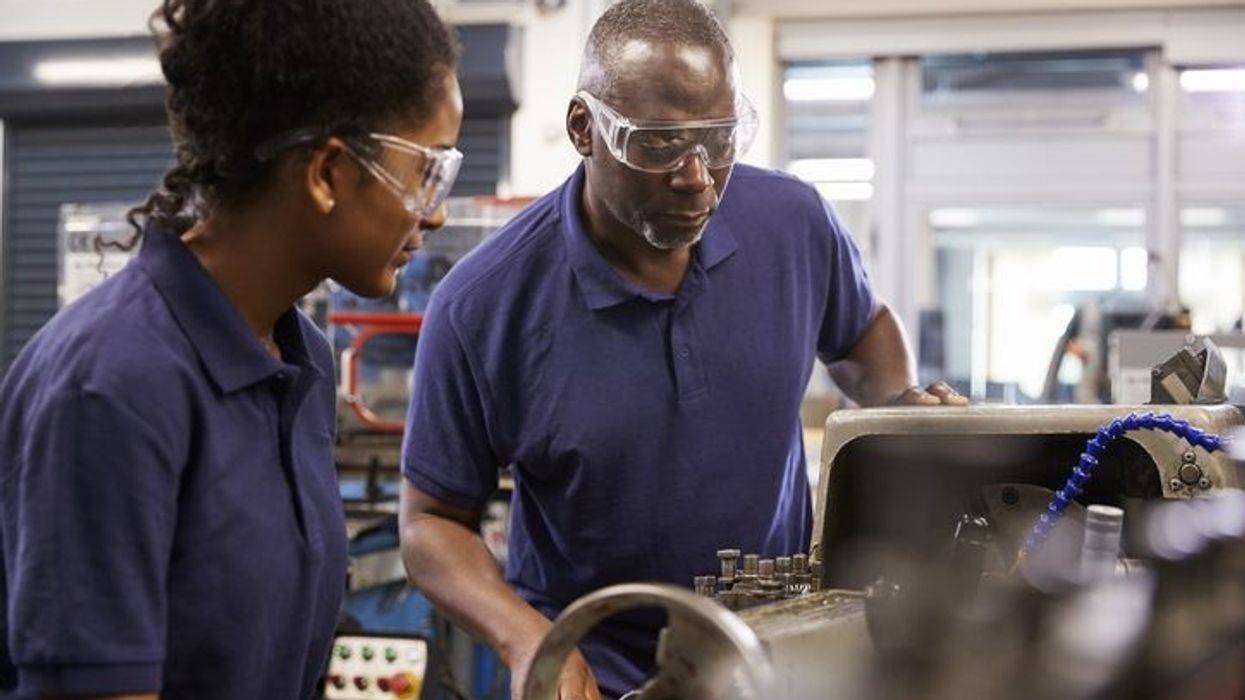

THE unemployment rate for black, minority and ethnic (BME) workers is currently more than double (2.2 times) that of white workers, a new analysis published on Friday (26) by the Trades Union Congress (TUC) revealed.
The study of the most recent ONS labour market statistics pointed out that the BME unemployment rate stood at 6.9 per cent last year, compared to 3.2 per cent for white workers.
It said that BME women face an unemployment rate of 8.1 per cent, compared to 2.8 per cent for white women, nearly three (2.9) times higher.
The study was conducted as part of the TUC’s Black workers’ conference which started on Friday in London, a statement said.
According to the union body, the situation is worse now than in 2008 when the unemployment rate for BME women was 2.3 times higher than for white women.
The TUC has appealed to end the structural discrimination and inequalities in employment sector.
It also wanted to introduce mandatory ethnicity pay gap reporting and urged employers to publish an action plan on how they will close their pay gap and ensure pay parity between black and white workers.
The TUC also demanded to ban zero-hours contracts, will disproportionately benefit BME workers.
Under zero-hours contracts workers never know how much they will earn each week, and their income is subject to the whims of managers.
The other demands of the union include, getting rid of insecure work as BME workers are more likely to experience insecure and poor-quality work, raising the floor of rights for everyone, introducing fair pay agreements across the economy and giving workers the right to access their union on-site would also improve rights for all.
“It’s not right that the unemployment rate is more than twice as high for BME workers as their white peers. There’s no hiding from the fact that racism still plays a huge part in our jobs market," said Paul Nowak, general secretary, TUC.
“Ministers must take bold action to confront this inequality. The obvious first step is forcing bigger companies to disclose their ethnicity pay gaps. This will make employers confront the inequalities in their own workforces – and act to fix them. Business and unions are united in their support for compulsory pay gap monitoring. Ministers must bring it in without delay.”
TUC black workers’ conference is one of the biggest gatherings of black workers in the UK.
US trade unionist Chris Smalls, known for his organising work with Amazon, will speak at the event along with Nowak.
Topics such as racism and inequality, the cost-of-living crisis, ethnicity pay gap reporting, and migrant workers and immigration will be discussed during the conference, the statement added.





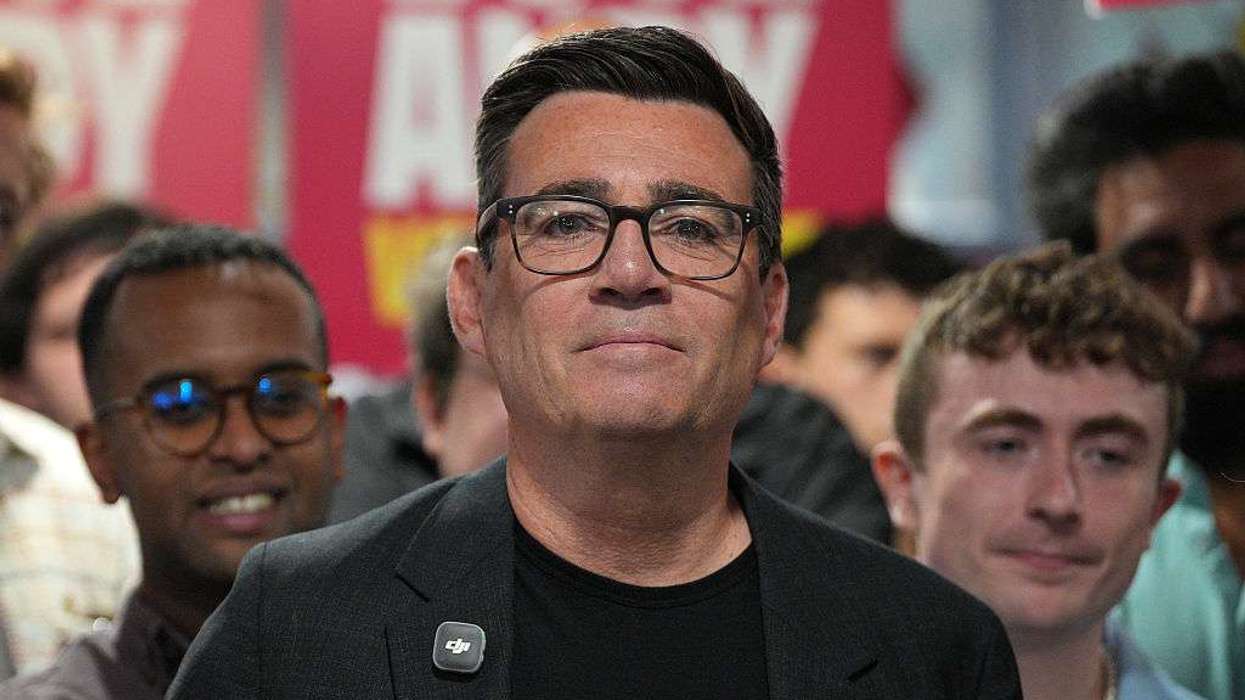 Andy Burnham greets supporters as he attends to deliver a speech and announcement on apprenticeships at Wigan St Jude's ARLFC amateur rugby league football club as he campaigns as Labour candidate ahead of the Makerfield by-election. on June 13, 2026 in Wigan, England. (Photo by Christopher Furlong/Getty Images)