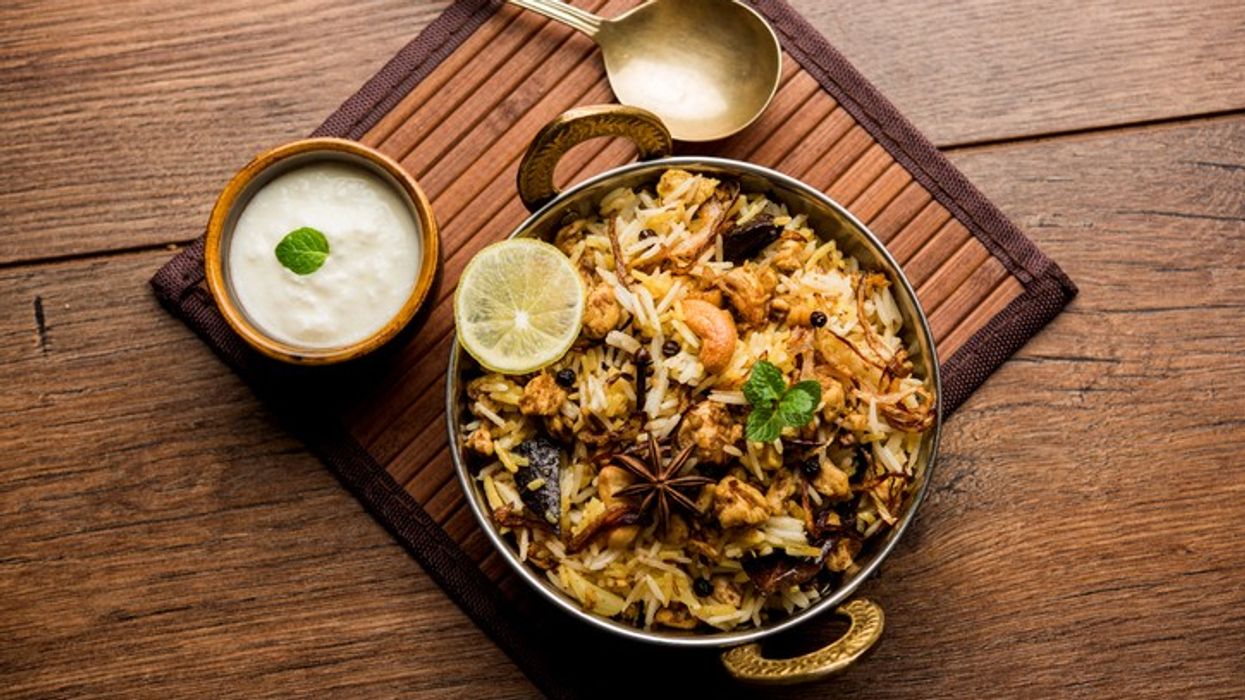

The rice preparations, Biryani and Pulao are two delicious dishes loved around the world, each with its special taste. Originating in the Indian subcontinent, these dishes have changed over the years, influenced by various cultures. Even though both are made with rice, the flavours, and their history make them unique in the world of food.
It is often argued that these two dishes are the same and there is only one difference of addition of meat pieces. But in reality, these two are similar but unique in the aspects like type of rice grains, spices and the method to cook these preparations.
Pulao is a dish enjoyed globally for its simplicity and grace. It's a mix of rice, various spices, veggies, and sometimes meat. To make Pulao, you cook rice in a pot with water or broth, adding ingredients step by step by using the 'absorption method.' The dish is light and fragrant with a nice balance of flavours often served as a tasty side dish paired with raita or chutney.
On the other side, Biryani is a more complex and flavourful masterpiece. This dish layers rice, meat, veggies, and aromatic spices cooked together. Slow-cooked on low heat through the 'draining method,' it brings all the flavours together, creating a rich and tasty dish. Biryani usually takes the spotlight as the main course, served with raita or chutney.
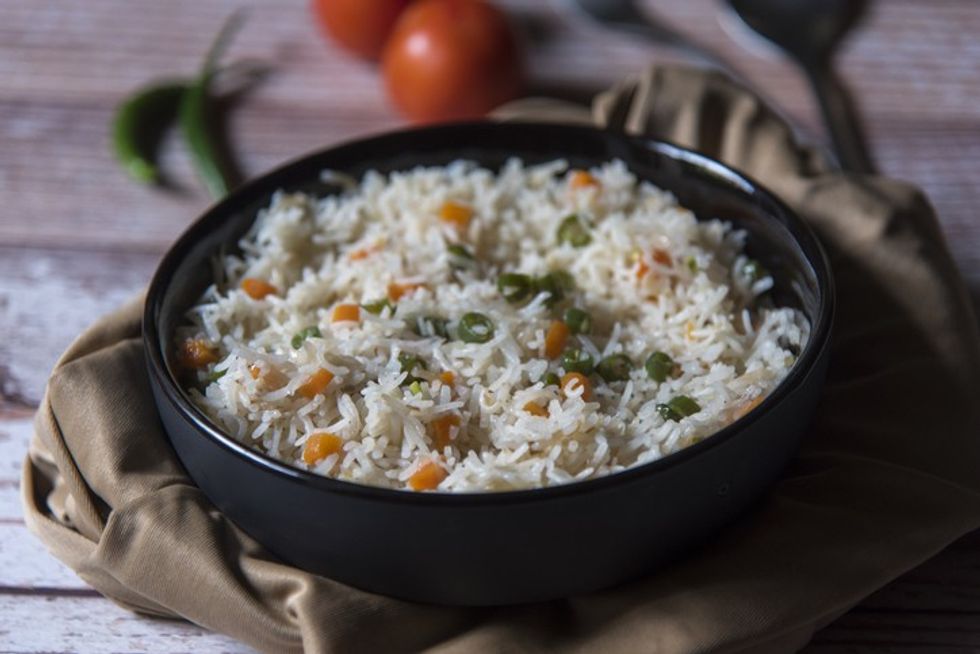 Pulao rice dish (Representative image: iStock)
Looking back in history, Pulao has its roots in ancient Persia, or Central Asia specifically within the Abbasid Caliphate, situated in the region of modern-day Baghdad where it was loved by the royals. Over time, it made its way to other parts of the world.
Biryani, on the other hand, has ties to the Mughal Empire and was a favourite at the royal court certainly originated in India and spread to the rest of the world in its original form and its variations. Biryani originates from 'Biriyan Kardaan,' translating to fry or cook, akin to Hindi's 'khane ko bhun-na.'
While Pulao has an older history, Biryani became a culinary gem during the Mughal era, inspired by Persian pilaf and spicy Indian rice dishes.
The differences in these two dishes is oriented firstly towards the choice of rice. Pulao typically uses long-grain rice, while Biryani goes for fragrant basmati rice.
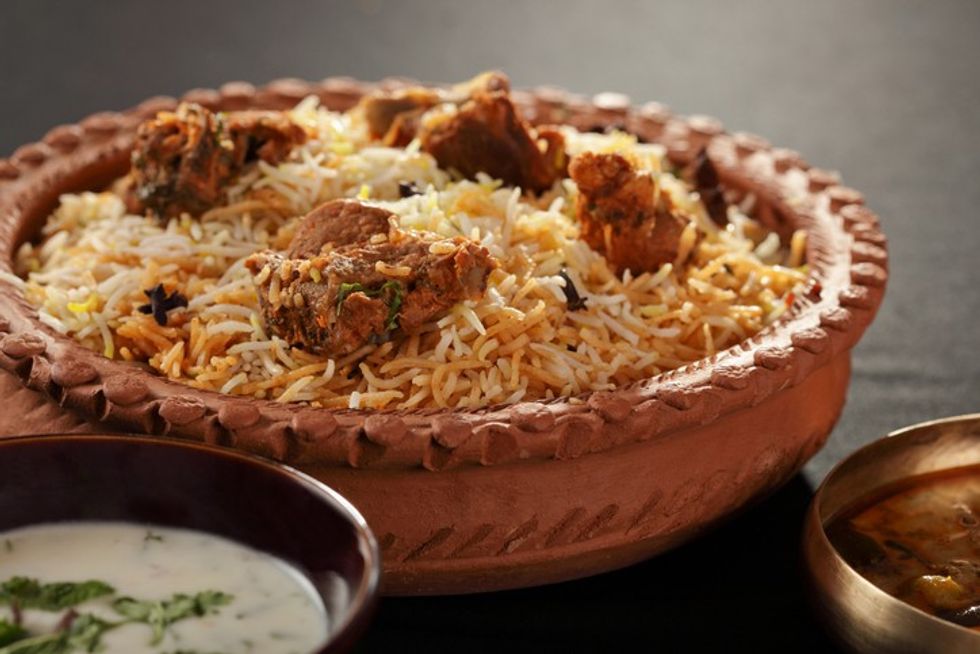 Biryani rice dish (Representative image: iStock)
The cooking methods are different too – Pulao involves boiling rice in a seasoned broth, while Biryani layers cooked rice with meat, veggies, and a flavourful sauce.
Spices play a big role in setting these dishes apart. Pulao keeps it simple with fewer spices, creating a milder taste. In contrast, Biryani is famous for its mix of spices like cumin, turmeric, and garam masala, making it a more complex and aromatic experience.
Pulao often features chicken or lamb, while Biryani can be made with various types of meat like chicken, lamb, goat, or even seafood. Biryani stands out with its thick sauce, while Pulao is usually drier.
Garnishing adds a final touch – Pulao gets adorned with nuts, raisins, or fried onions for texture. Biryani, on the other hand, uses fresh herbs like cilantro or mint to enhance its appearance and aroma.
Though both dishes have fans worldwide, they have regional variations. Indian Biryani differs from the Pakistani version, just like Pulao varies across regions. There are many popular versions like Yakhni pulao or Akhni Pulao, and Biryani types like Hyderabadi, Lucknowi, and Kolkata.
Whether you enjoy the gentle touch of Pulao or the grandeur of Biryani, both promise to satisfy your taste buds, highlighting the diverse world of culinary traditions.
To conclude, both are different rice preparations and do not have the same basis on the vegetarian and non-vegetarian ingredients.