

Renowned Bharatanatyam artist and scholar, Bala Devi Chandrashekar, achieved a historic milestone at the UNESCO headquarters in Paris as her film centred on the Thanjavur Big Temple, also known as Brihadeeswara Temple, was unveiled in France.
Titled Brihadeeswara – Form to Formless, the film provides a profound exploration of the UNESCO heritage site in Tamil Nadu, dating back 1000 years, through the perspective of a temple dancer, or Devaradiyal considered the high priestess of the temple. Ambassador Vishal V Sharma, the Permanent Delegate of India to UNESCO, inaugurated the film in Paris earlier this month.
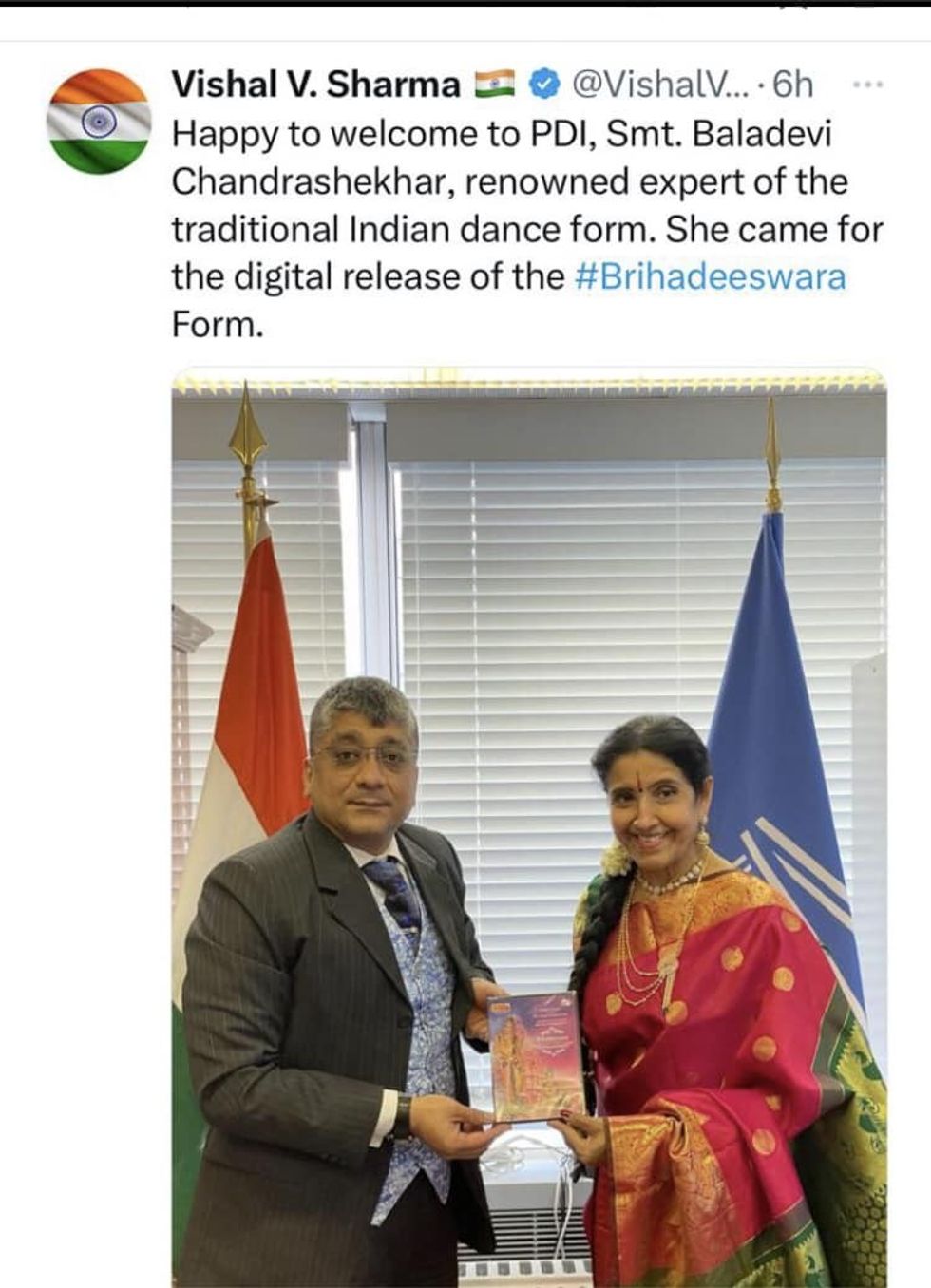 Bala Devi Chandrashekhar at the UNESCO headquarters, Paris (Photo Credit: Bala Devi Chandrashekar)
Chandrashekar emphasized, "The temple is a testament to India's craftsmanship and cultural philosophy, standing as an architectural marvel for a millennium and garnering admiration from people worldwide."
The film pays homage to this ancient Brihadeeswara temple situated southern state of India, Tamil Nadu. By intense research and under the guidance of the scholars this research shed light on the temple’s historical significance and vital connection between the physical and metaphysical.
Using the state-of-art technology and high quality production, the film production is aimed at preserving the essence and energy of the live performance, creating a genuinely engaging and unforgettable experience.
"All ancient texts from our region have messages that are very relevant in today's world. My mission is take on topics and present them to diverse audience across the world," she said.
The roots of Bharatanatyam, a traditional Indian dance form, can be traced back to around the 2nd century CE. The ancient Tamil epic, Silappatikaram, provides descriptions of early forms of this dance. Additionally, sculptures in temples from the 6th to 9th century CE indicate that dance had evolved into a sophisticated performance art by the middle of the 1st millennium CE.
The Brihadeeswara Temple at Thanjavur in the southern state of India which was built by Chola King, Rajaraja I of the Chola dynasty. The temple has beautiful and large mural paintings dating back to 13th century. Interestingly, there are carvings of 81 out of 108 dance poses, known as karanas, used in Bharatnatyam.
(With inputs from PTI)

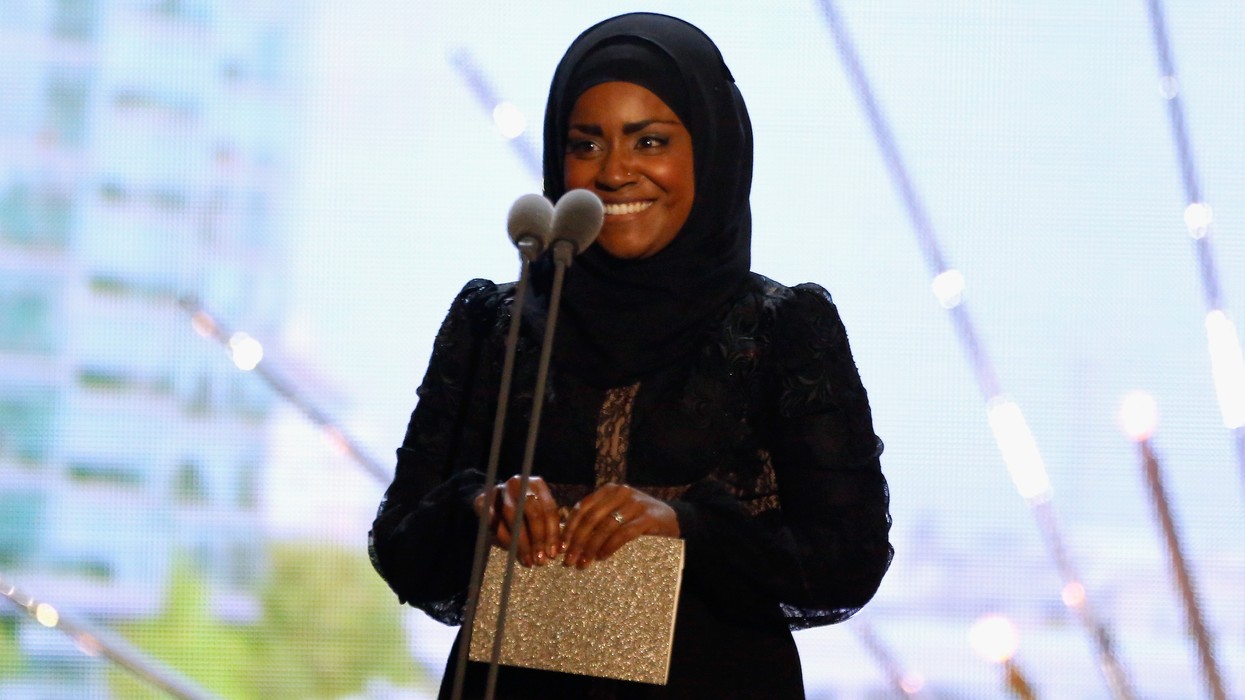


 Vidya Balan sets internet abuzz with glam makeover as few fans question her weight loss journeyInstagram/
 Vidya Balan’s high-glam cover sparks praise and pushback over evolving beauty standardsInstagram/
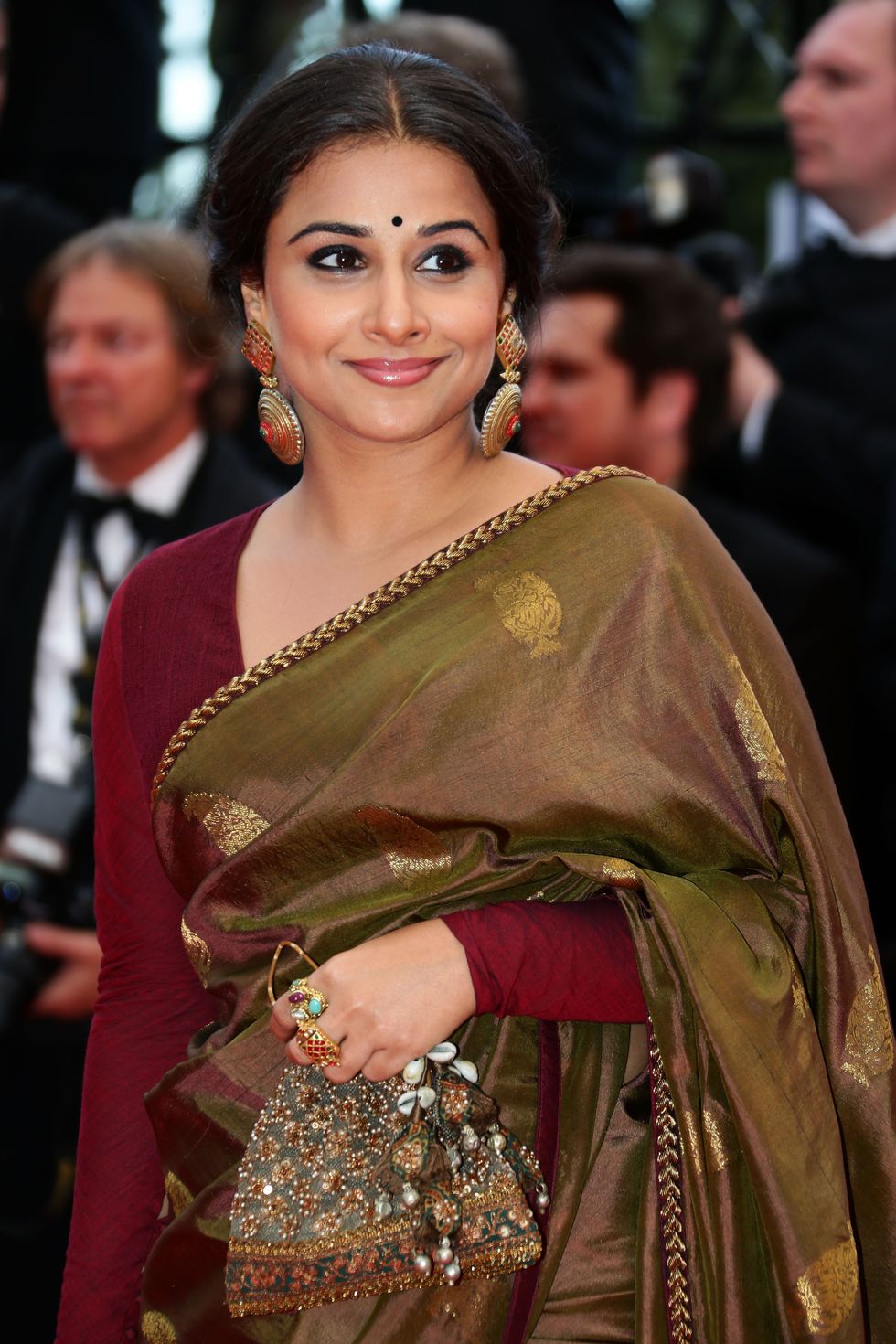 Fans compare Vidya’s latest shoot to her past saree-clad appearancesGetty Images
 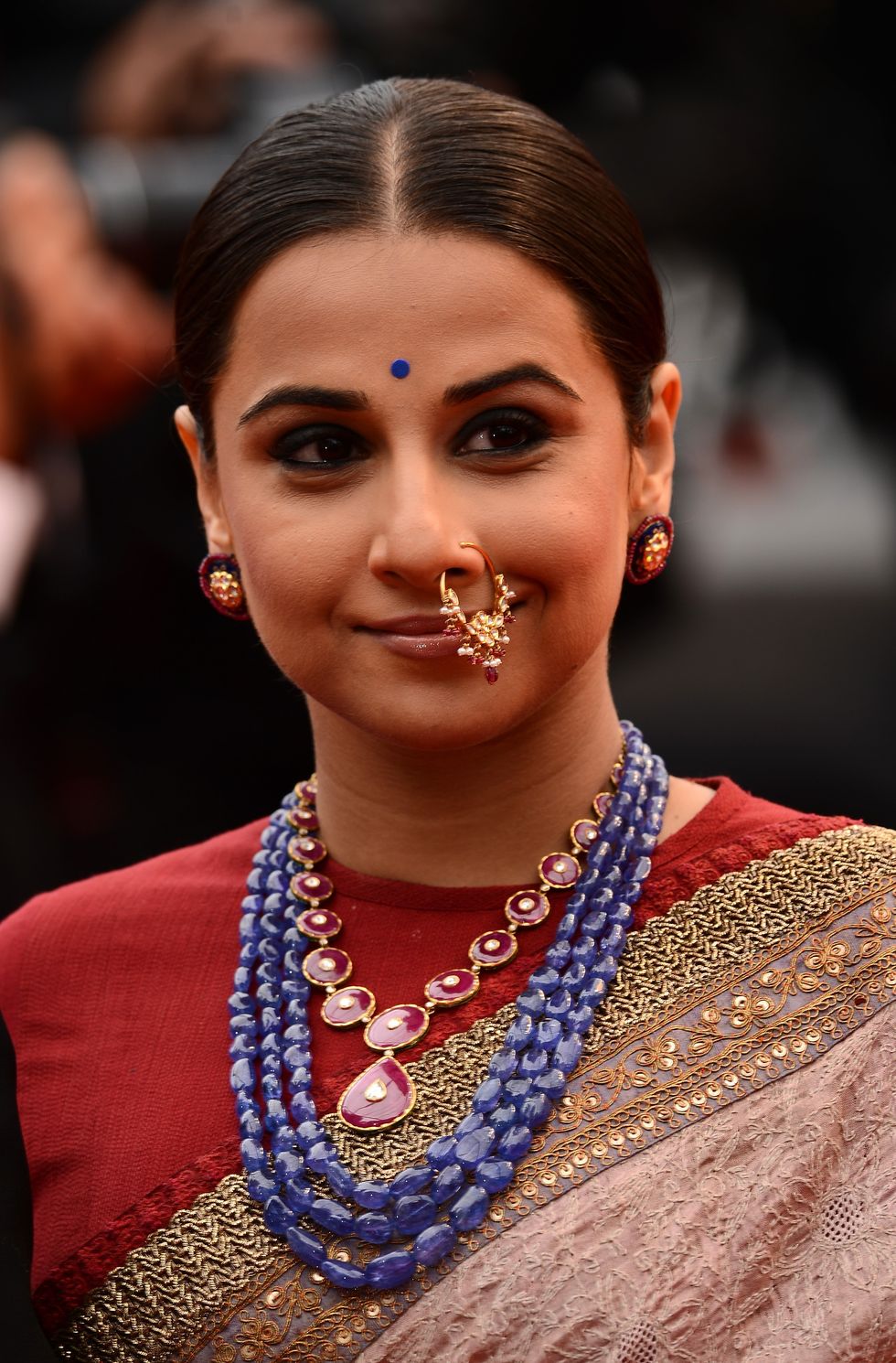 Vidya Balan’s glam transformation for Peacock Magazine sparks online debate over body imageGetty Images




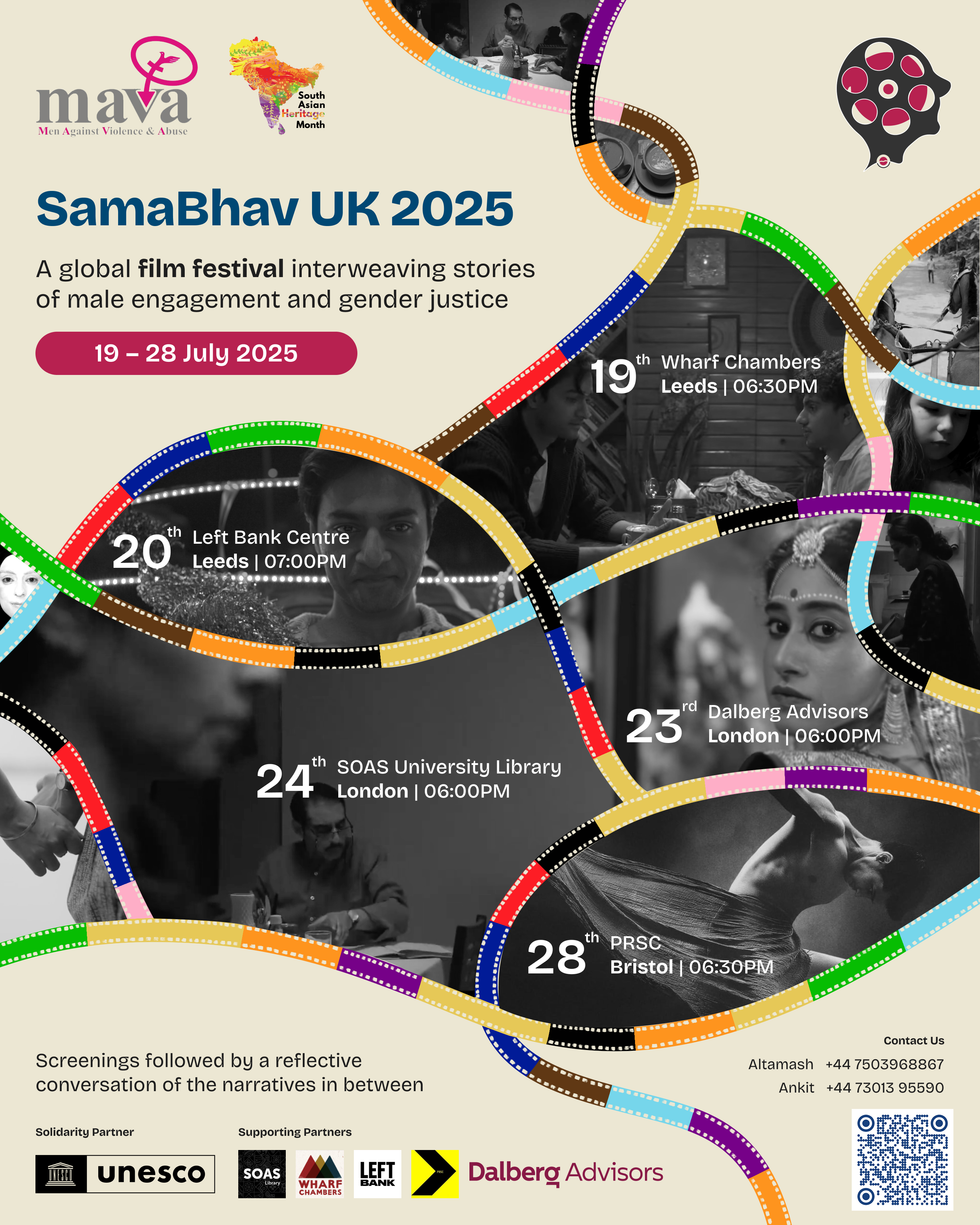 SamaBhav UK 2025 invites young people and queer voices to speak on gender equity
 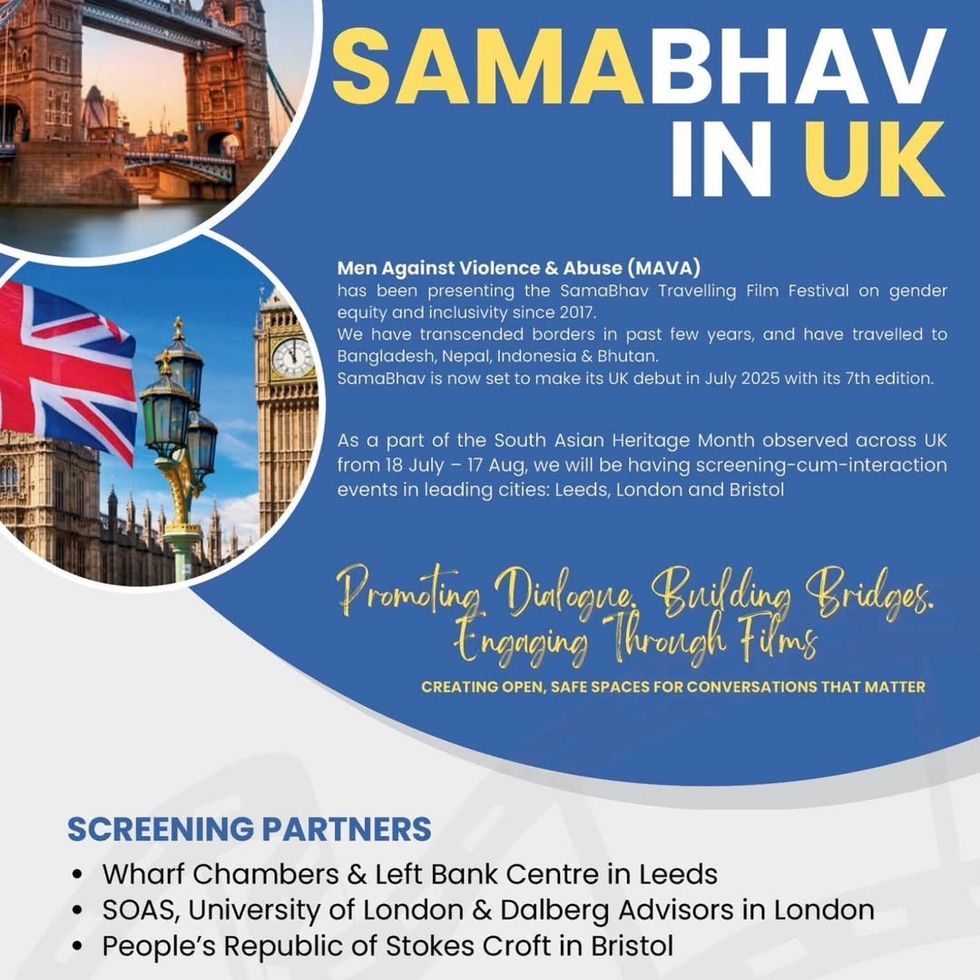 SamaBhav UK 2025 film festival opens with urgent call for gender justice in South Asian communities
 Lokesh Kanagaraj reacts to Sanjay Dutt’s Leo remark admits writing flaws in the film
 Lokesh Kanagaraj responds to Sanjay Dutt’s criticism over Leo role with honest admissionInstagram/
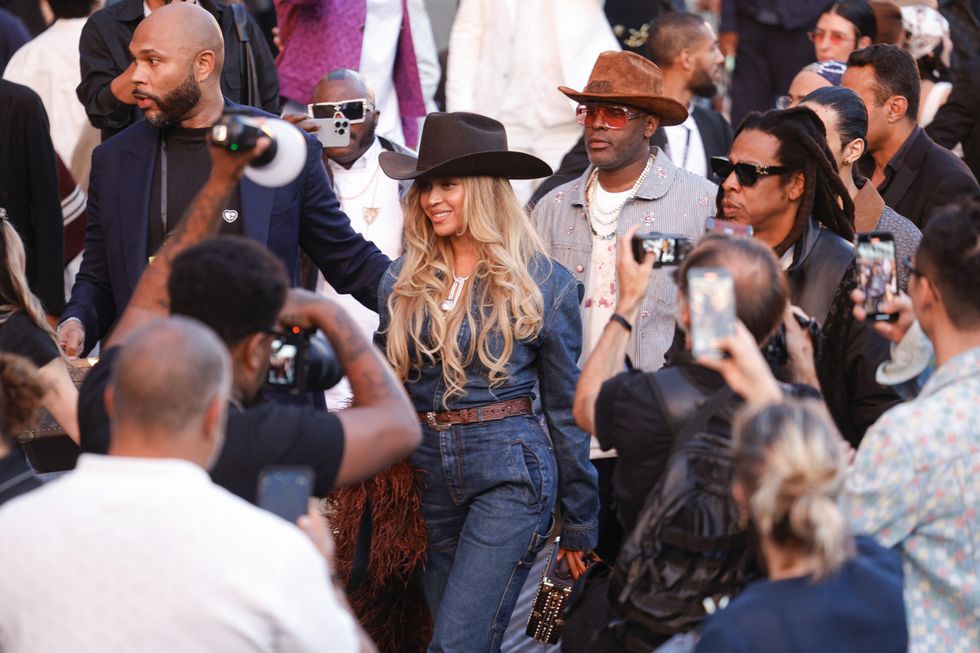 Beyonce attend the Louis Vuitton's Menswear Ready-to-wear Spring-Summer 2026 collectionGetty Images
 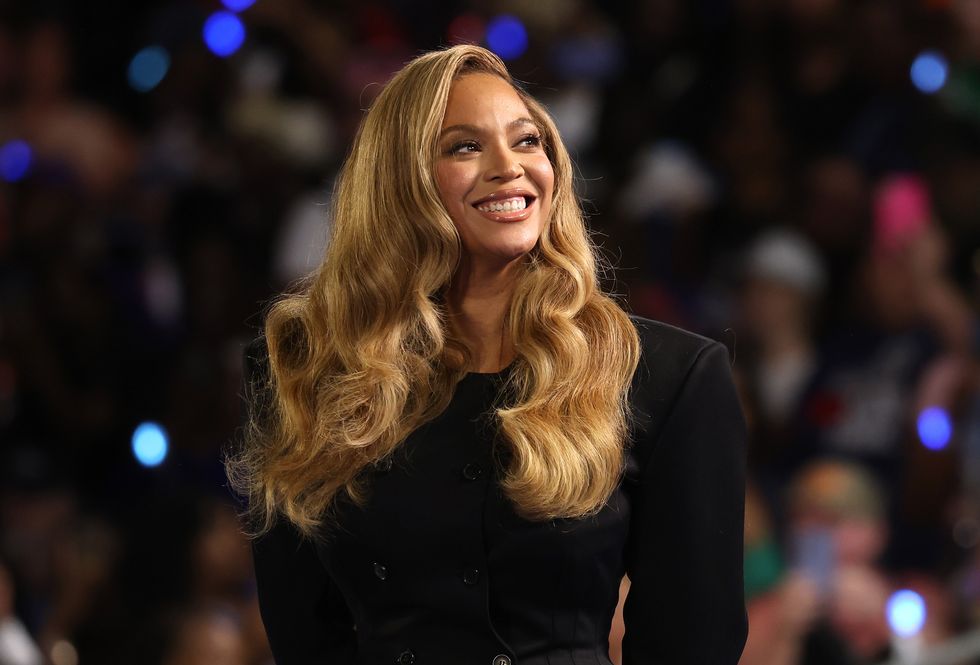 Beyoncé continued her Cowboy Carter tour in Atlanta despite the setbackGetty Images
 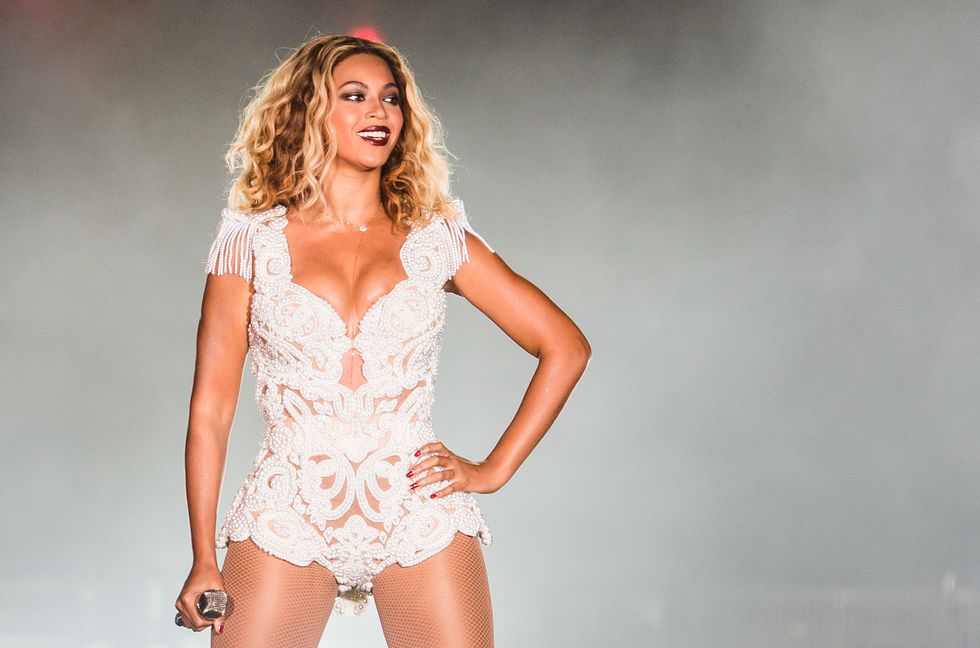 Beyoncé’s choreographer and dancer reported sensitive materials missing from their rental carGetty Images
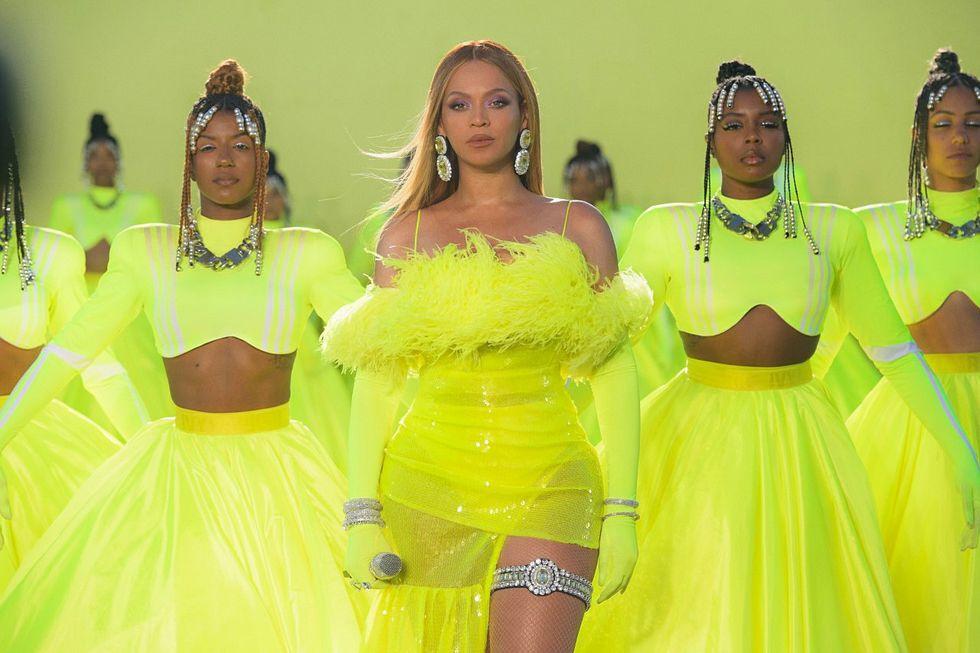 Beyoncé’s team hit by major theft in Atlanta as unreleased music goes missingGetty Images
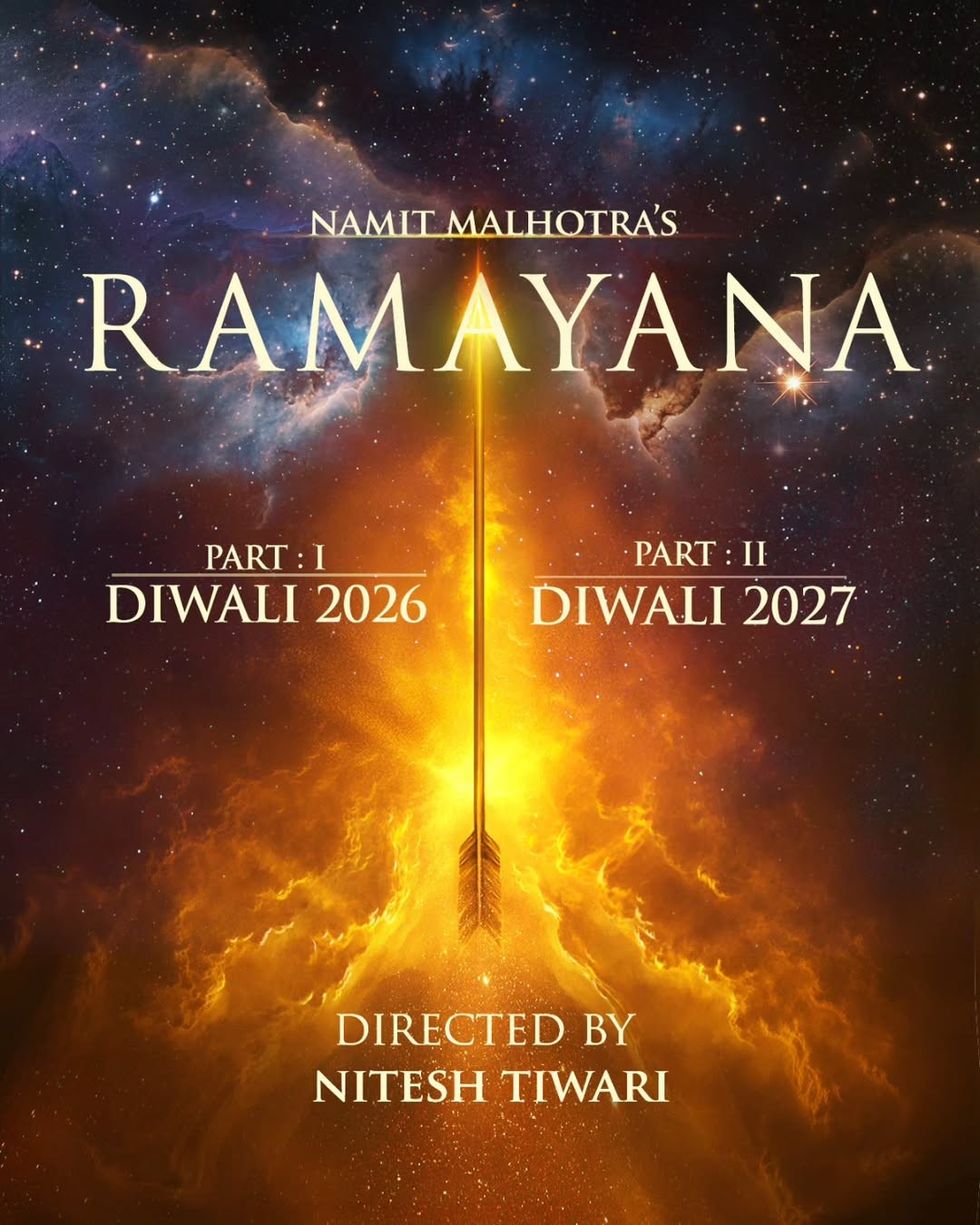 Fans await Ramayana teaser as early reviews spark buzz online Instagram/iamnamitmalhotra
  AR Rahman and Hans Zimmer smile together in viral selfie Instagram/arrahman