Skip to content
Search

Latest Stories

Submit Guest Post

Bangladesh needs five million Sputnik V vaccine doses from Russia

BANGLADESH'S foreign ministry has expressed an interest in the co-production of Sputnik V Covid-19 with Russia, in a meeting with the Russian ambassador to Bangladesh on Sunday (6).

Alexander I Ignatov discussed the vaccine with Bangladesh's foreign minister Dr AK Abdul Momen at his office on Sunday, the Dhaka Tribune reported.


The foreign minister also sought cooperation from the outgoing ambassador so that Bangladesh could quickly procure five million doses of Sputnik V Covid-19 vaccine from Russia.

“Bangladeshi companies are also interested in co-production of the vaccine with Russia if the approval is given,” said Momen.

Sputnik V is the second most recognised coronavirus vaccine globally in terms of the number of approvals issued by government regulators.

The Russian ambassador is scheduled to leave Dhaka on Tuesday (8) as he wrapped up his tenure in Dhaka.

Earlier, finance minister AHM Mustafa Kamal said 68 million doses of coronavirus vaccine will be available from the Covax facility under the World Health Organization (WHO) for 20 per cent of its population, that is, for 34 million people. Out of this, 106,000 doses have already been received, the paper said.


Add EasternEye As Your Trusted Source
preferred source on google news

More For You

Fruits and vegetables

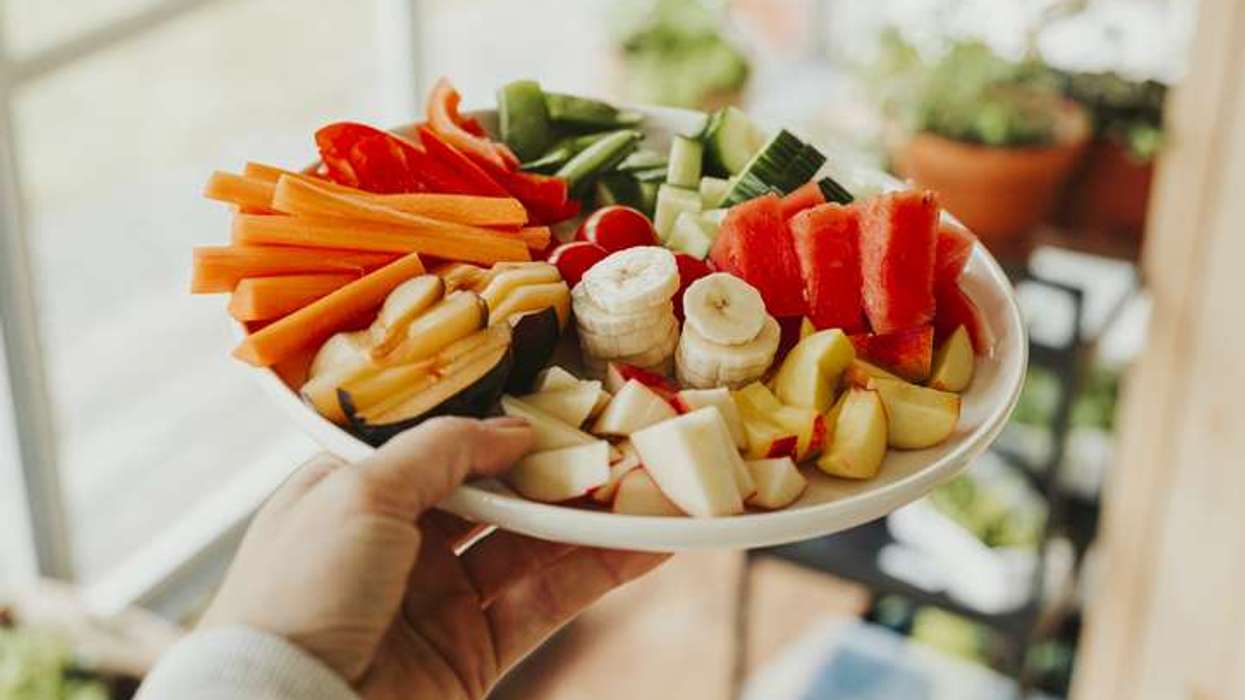
Britain’s reliance on imported fruit and vegetables could make food prices more vulnerable to climate shocks

iStock

Britain’s fruit bowl could be at risk as climate change hits the countries it relies on

  • Around 40 per cent of Britain’s food is imported, including 80 per cent of its fruit.
  • The UK is already seeing domestic crops affected by heatwaves, drought and wildfires.
  • Researchers warn climate pressures could make fresh food more expensive and harder to secure.

Britain is increasingly exposed to that risk because it relies heavily on imported fruit and vegetables, including from countries that are themselves facing growing pressure from rising temperatures, drought and extreme weather.

Around 40 per cent of the UK's food is imported, according to a new report from the Food Foundation. The figure rises to 80 per cent for fruit and 47 per cent for vegetables, leaving Britain particularly dependent on overseas growers for some of the fresh foods people buy most often.

Keep ReadingShow less