
Highlights
- Independent review finds no evidence of institutional racism behind awards night incident
- Bafta admits duty of care fell short during live broadcast
- Structural weaknesses in planning, escalation and crisis response identified
Cleared of a serious charge
The British Academy of Film and Television Arts has been cleared of institutional racism following the controversy at its February film awards, but an independent review has uncovered deeper structural failings within the organisation.
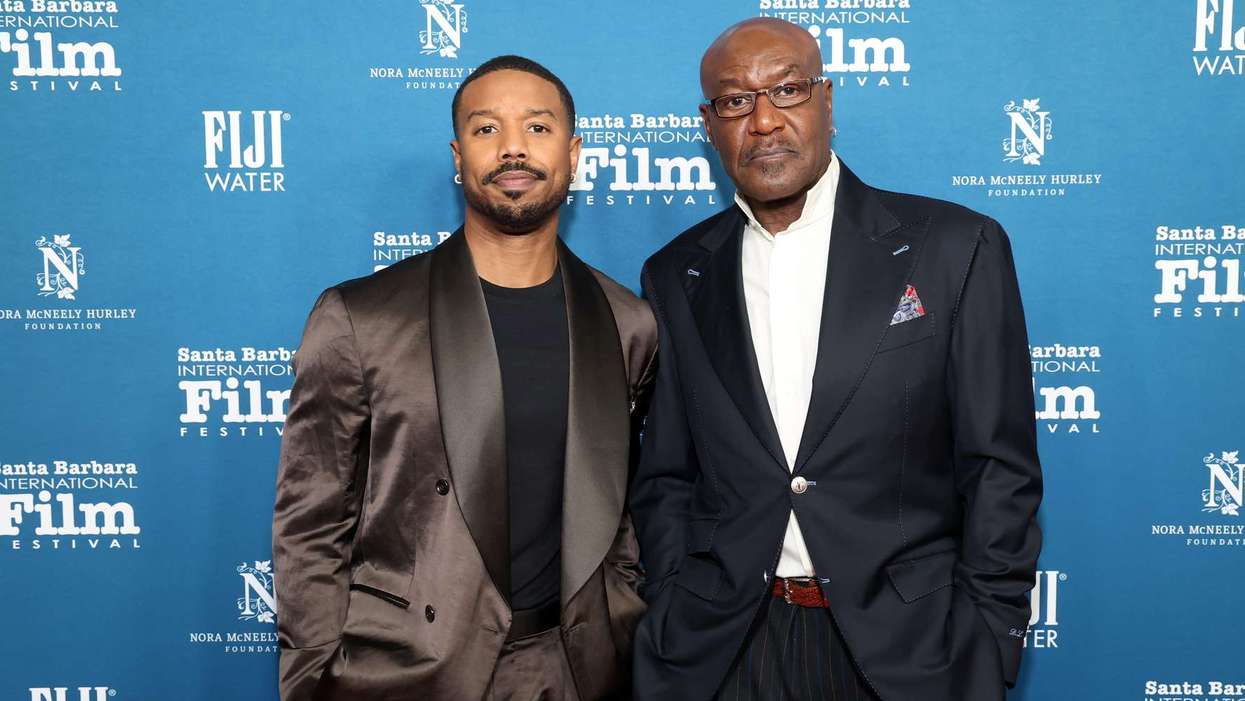
A racial slur was heard during the live ceremony as Michael B. Jordan and Delroy Lindo presented an award, prompting criticism and questions over how the moment was handled.
The review concluded it would be wrong to describe the incident as institutional racism, stating that available evidence did not support such a finding.
Systems, not intent
Instead, the report pointed to shortcomings in Bafta’s planning and governance.
Conducted by Rise Associates, the review identified structural weaknesses in the organisation’s preparation, escalation procedures and crisis coordination.
Bafta accepted the findings in full, acknowledging its systems had not kept pace with its diversity and inclusion ambitions, particularly in the context of a live broadcast.
A complex moment
The incident involved John Davidson, who involuntarily shouted the n-word due to Tourette’s syndrome.
The review described the incident as a complex intersection of disability, live television risk and language with a deeply painful historical context.
It also highlighted the challenge of balancing accessibility for participants with safeguarding the dignity of others present and those watching at home.
Accountability and next steps
In response, Bafta said it would introduce reforms aimed at strengthening its processes, including improving escalation systems and information-sharing, enhancing planning around access and inclusion, and addressing internal cultural and knowledge gaps.
The organisation issued an unreserved apology to Black and disabled communities, as well as to guests, members and viewers.
The BBC, which broadcast the ceremony, ruled that the slur should not have been aired and that it breached editorial standards, though it was not intentional.
Host Alan Cumming later apologised, describing the moment as distressing. Delroy Lindo said he and Michael B. Jordan continued presenting as required, but would have appreciated follow-up support from Bafta. Davidson, meanwhile, emphasised that the outburst was involuntary and did not reflect his beliefs.