
Skip to content
Search

Latest Stories

Submit Guest Post

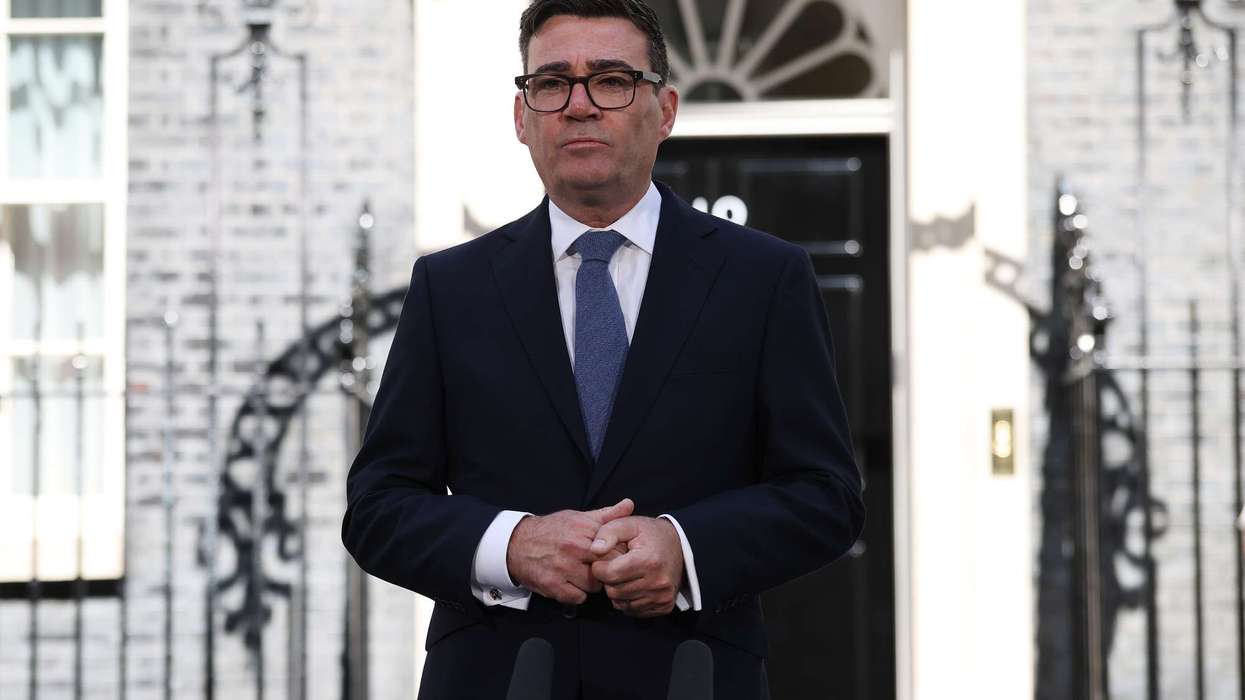
Home secretary defends voluntary return payments and family removals

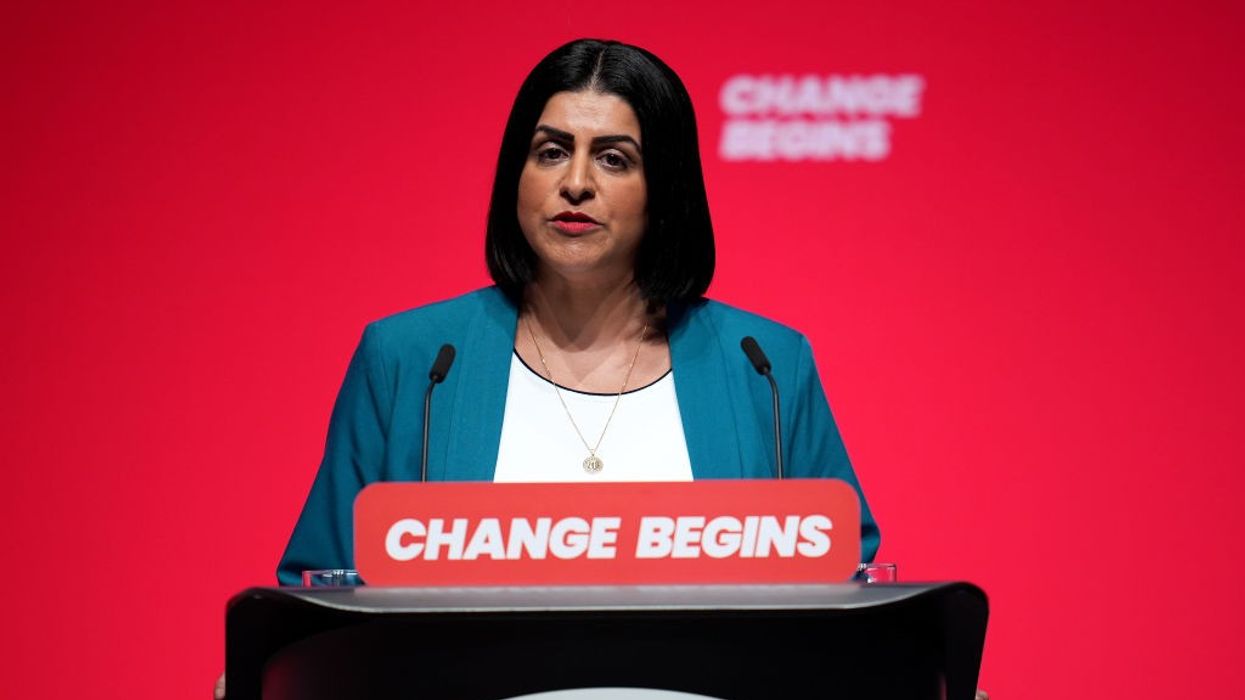
She defended plans to remove families who have been rejected for asylum, including those with children, as part of a wider overhaul of the asylum system announced in Parliament this week.

Shabana Mahmood

Mahmood said officials had been asked to run a 'small programme' offering higher payments 'to see how that changes behaviour.'

Getty Images

HOME SECRETARY Shabana Mahmood said she is open to “a big increase” in payments to failed asylum seekers to encourage voluntary returns, telling the BBC it can be “better value for money for the taxpayer” than allowing people to remain in the UK.

She defended plans to remove families who have been rejected for asylum, including those with children, as part of a wider overhaul of the asylum system announced in Parliament this week. Some Labour MPs and peers have criticised the proposals.


Speaking on BBC Radio 4’s Political Thinking with Nick Robinson, Mahmood was asked whether using taxpayer money in this way was justified.

She said failed asylum seekers currently cost £30,000 per person each year, making payments “value for money” even if they rise above the current upper limit, understood to be £3,000.

Mahmood said officials had been asked to run a “small programme” offering higher payments “to see how that changes behaviour”.

On criticism from Labour peer Lord Dubs, who told BBC Radio 4’s Today programme she was “weaponising children”, Mahmood said: “I always listen carefully to what he says but on this occasion I do disagree.”

She said she “would never use children as a weapon” and cited concerns about incentives for families travelling on small boats.

Mahmood also addressed reports about asylum seekers being stripped of jewellery, saying items of sentimental value would not be taken.

But those with high-value assets “should make a contribution”.

She referred to a case of an asylum seeker receiving £800 a month who had bought an Audi, saying the policy aimed to align rules with those for British citizens.

Add EasternEye As Your Trusted Source
preferred source on google news

More For You

UK heatwave

Extreme heat is placing growing pressure on healthcare, schools, supermarkets and public services across the UK

iStock

Why Britain's heatwave is becoming a nationwide stress test

  • Britain is experiencing its third heatwave of the year, with temperatures expected to stay above 34°C in several areas.
  • The prolonged heat is straining hospitals, schools, water supplies and food retailers across the UK.
  • Scientists say rising temperatures are making extreme heatwaves more frequent and intense across Europe.

The UK's latest heatwave is no longer just about soaring temperatures. As the country enters the peak of its third spell of extreme heat this year, the impact is spreading well beyond the weather forecast, affecting healthcare, food supplies, schools and critical infrastructure.

The UK heatwave has prompted the UK Health Security Agency to issue amber heat-health alerts across almost all of England, warning that high temperatures could have significant consequences for health and social care services. The Met Office has also said hot conditions are expected to continue through much of next week, raising the possibility that this could become one of the country's longest-lasting heatwaves since 1976.

Keep ReadingShow less