
Highlights:
- Filmmaker Anurag Kashyap criticised Vijay Subramaniam for backing the AI-made film Chiranjeevi Hanuman – The Eternal.
- Kashyap said the project undermines creativity and betrays the artists represented by Subramaniam’s agency.
- Vikramaditya Motwane also expressed disapproval, warning of AI sidelining writers and directors.
- The AI film is produced by Abundantia Entertainment and Collective Media Network, with a 2026 release planned.
Filmmaker Anurag Kashyap has sharply criticised the upcoming project Chiranjeevi Hanuman – The Eternal, promoted as India’s first fully AI-made film. The director targeted Vijay Subramaniam, head of Collective Artists Network, accusing him of betraying the very writers, actors and directors his agency represents. The backlash follows recent controversy over AI’s use in altering the Tamil release of Aanand L Rai’s Raanjhanaa.
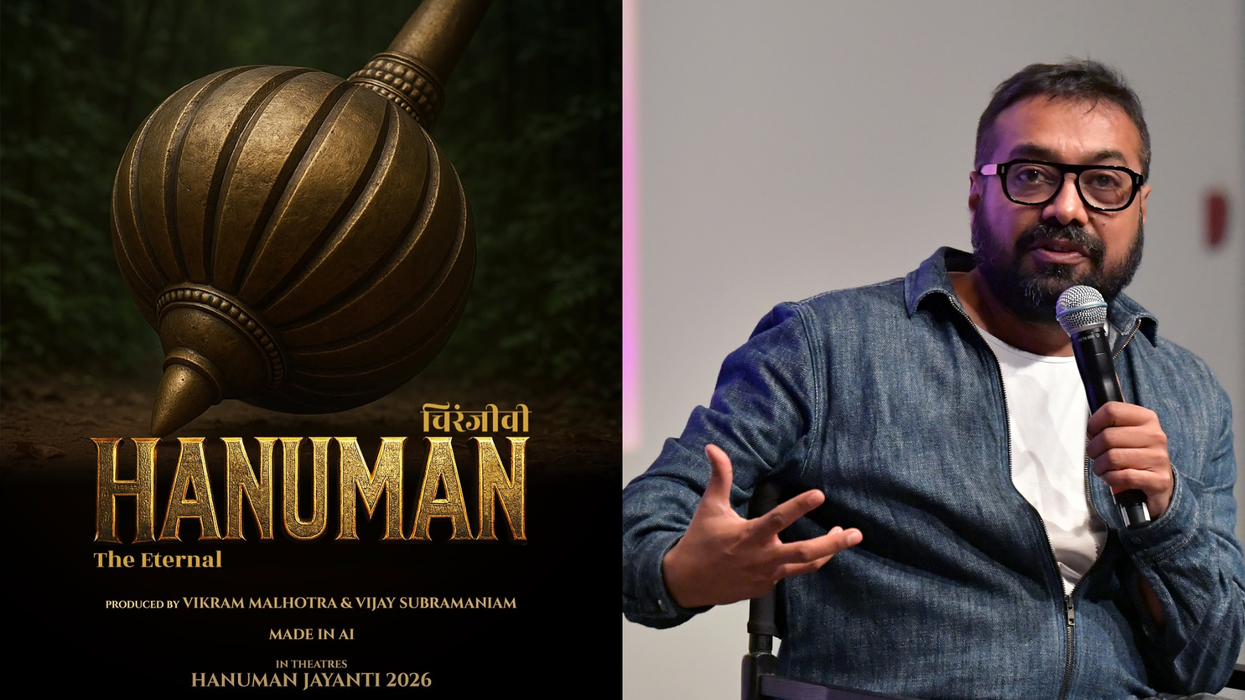
 Anurag Kashyap has condemned the AI film Chiranjeevi Hanuman – The Eternal for undermining artists Getty Images/ Instagram/abundantiaent
What is Chiranjeevi Hanuman – The Eternal ?
Earlier this week, production houses Abundantia Entertainment and Collective Media Network unveiled the poster of Chiranjeevi Hanuman – The Eternal. Marketed as the country’s first “Made-in-AI, Made-in-India” film, it is scheduled to release on Hanuman Jayanti 2026.
Producers claim the project will combine mythology with modern innovation, reimagining Lord Hanuman’s story for global audiences. They described the initiative as a tribute to India’s cultural legacy, brought alive through technology.
However, the announcement triggered heated debate within the industry. While backers framed the film as innovation, critics argue it risks erasing the role of human storytellers in cinema.
Why did Anurag Kashyap criticise the AI film?
Anurag Kashyap, known for outspoken views, voiced his anger on Instagram after the poster launch. Addressing Subramaniam directly, he wrote:
“Here is the man heading an agency representing artists, writers and directors, now producing a film made by AI. End of the day, all these agencies are only interested in making money off you. Any actor or anyone who calls themselves artists and has a spine should be questioning him or leaving the agency.”
The filmmaker went further, describing the project as “the future for the spineless and cowardly so-called artists in the Hindi film industry.” His remarks reflect wider concerns that agencies profit from talent while backing projects that remove creative workers from the process.
Kashyap has previously worked on films tackling issues of power, exploitation and authenticity in cinema. His latest outburst adds to growing resistance against AI in filmmaking.
How did other filmmakers react to the AI project?
Kashyap was not alone in condemning the move. Director Vikramaditya Motwane, who recently explored AI themes in his project CTRL, reposted the announcement on Instagram with the blunt caption: “And so it begins. Who TF needs writers and directors when it’s ‘Made in AI’?”
Motwane’s reaction highlights a fear shared by many in the industry: that studios may prioritise cost-cutting AI tools over human creativity. His remarks echo discontent following Raanjhanaa’s AI-altered ending, which led to protests from Aanand L Rai’s team.
The Chiranjeevi Hanuman backlash has therefore become symbolic of a larger struggle, of filmmakers fighting to safeguard artistic integrity in an era of technological disruption.
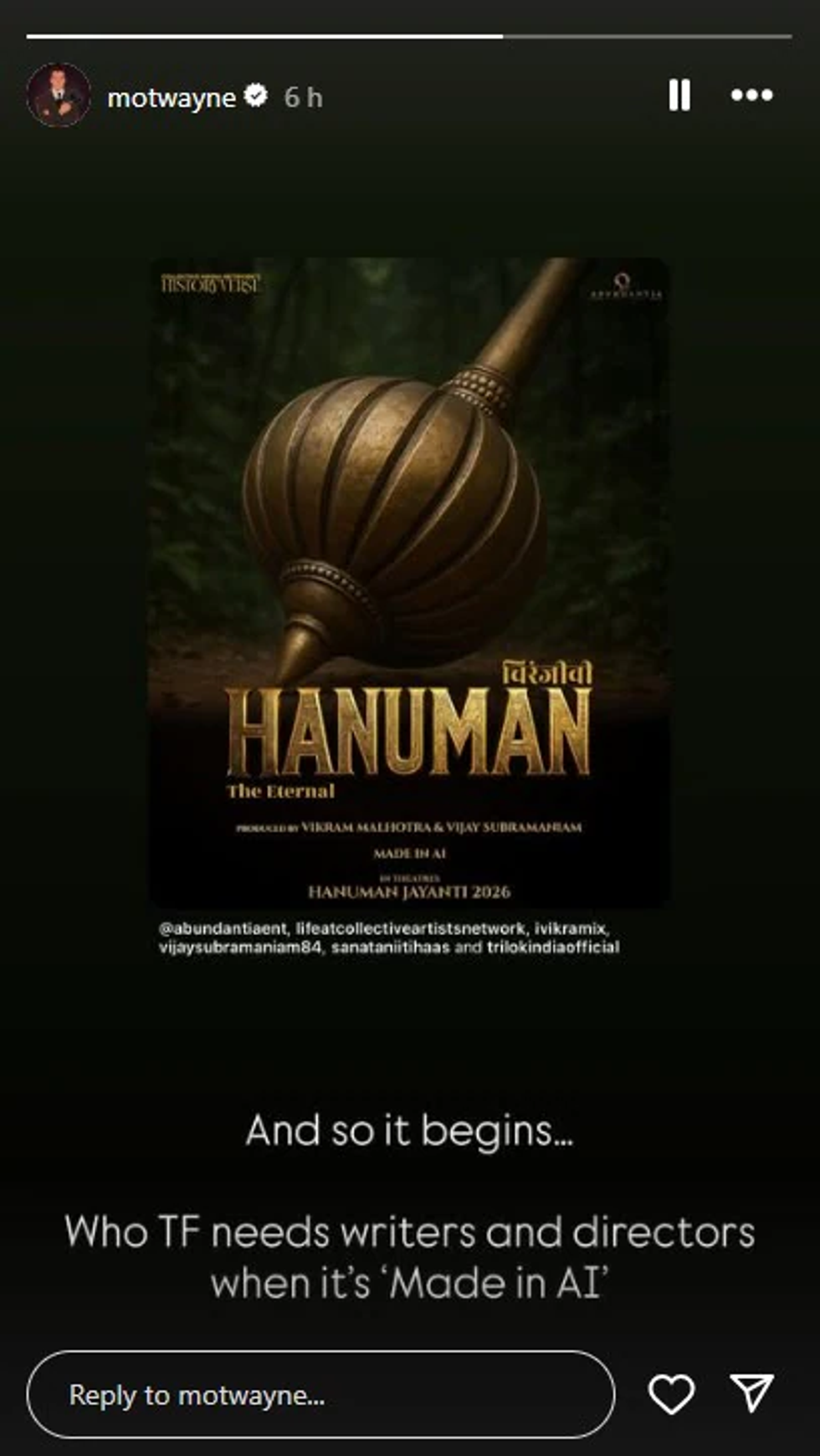 Filmmaker Vikramaditya Motwane criticised the AI project and warned of the threat to writers and directors Instagram Screengrab/motwayne
What has the producer said in defence of AI films?
Vijay Subramaniam, head of Collective Artists Network and producer of Chiranjeevi Hanuman – The Eternal, defended the film at its launch. He argued that the project is not replacing tradition but enhancing it, describing it as “a unique opportunity to reimagine cultural storytelling for audiences who value both heritage and innovation.”
Supporters of the film insist that AI technology can make epic stories more accessible and visually ambitious without the usual budget constraints. Yet the criticism from Kashyap and Motwane shows strong resistance within Bollywood towards projects perceived as sidelining human talent.
The debate reflects a broader global conversation on AI’s role in creative industries, from Hollywood writers’ strikes to controversies in Indian cinema. With Chiranjeevi Hanuman – The Eternal set for release in 2026, the clash between technological innovation and artistic integrity is likely to intensify.


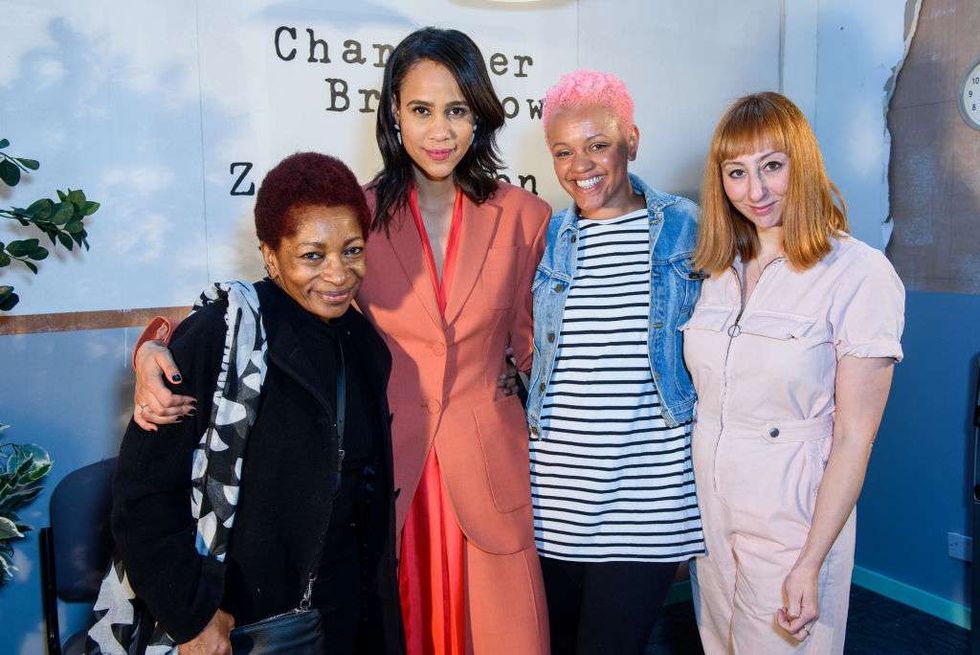 Bonnie Greer, Zawe Ashton, Gemma Cairney and guest at the "Character Breakdown" by Zawe Ashton book launch at Wild By Tart on April 03, 2019 in London, England. Photo by Joe Maher/Getty Images
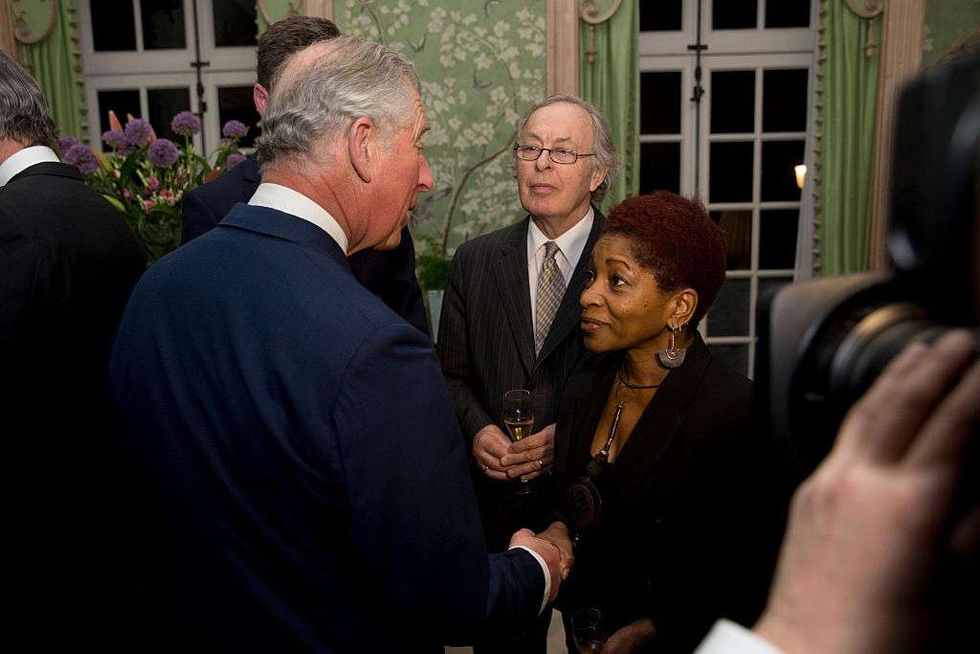 Prince Charles, Prince of Wales meets American-British playwright, novelist and critic Bonnie Greer, right, during a reception for Americans living and working in the UK, at the official residence of the U.S. Ambassador to Britain, Winfield House on March 9, 2015 in London, United Kingdom. The reception was held Monday evening ahead of Prince Charles and his wife Camilla visiting the U.S. next week. Photo by Matt Dunham - WPA Pool/Getty Images
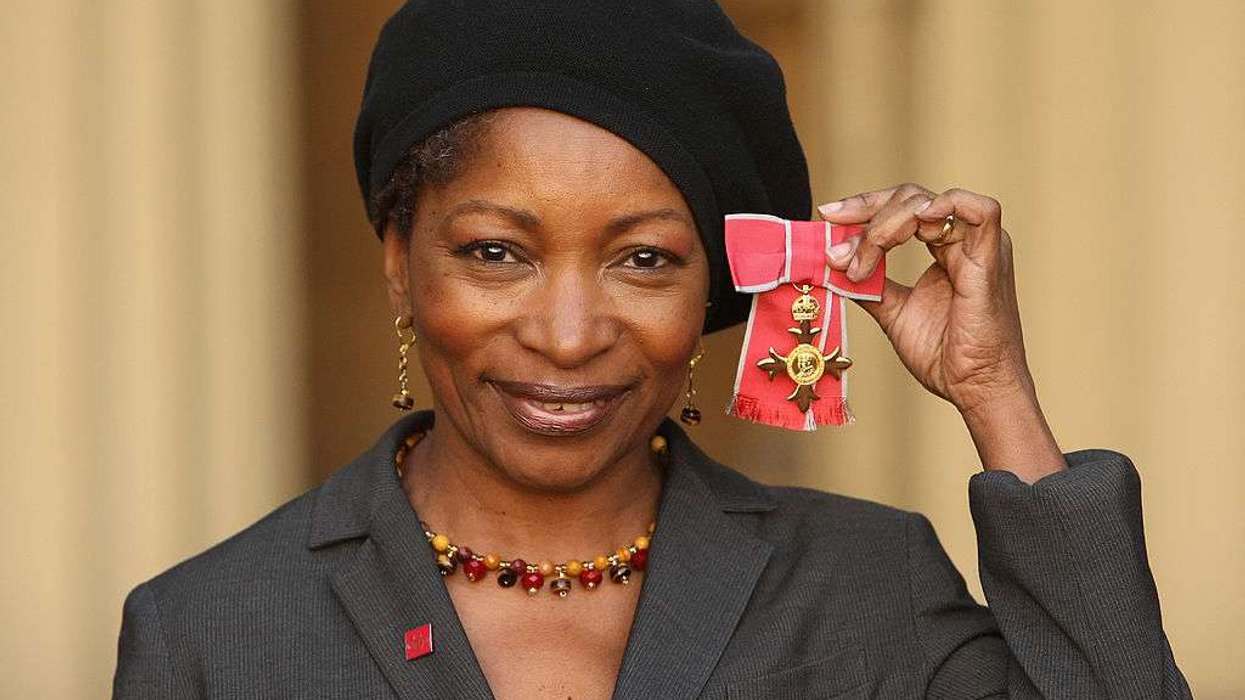
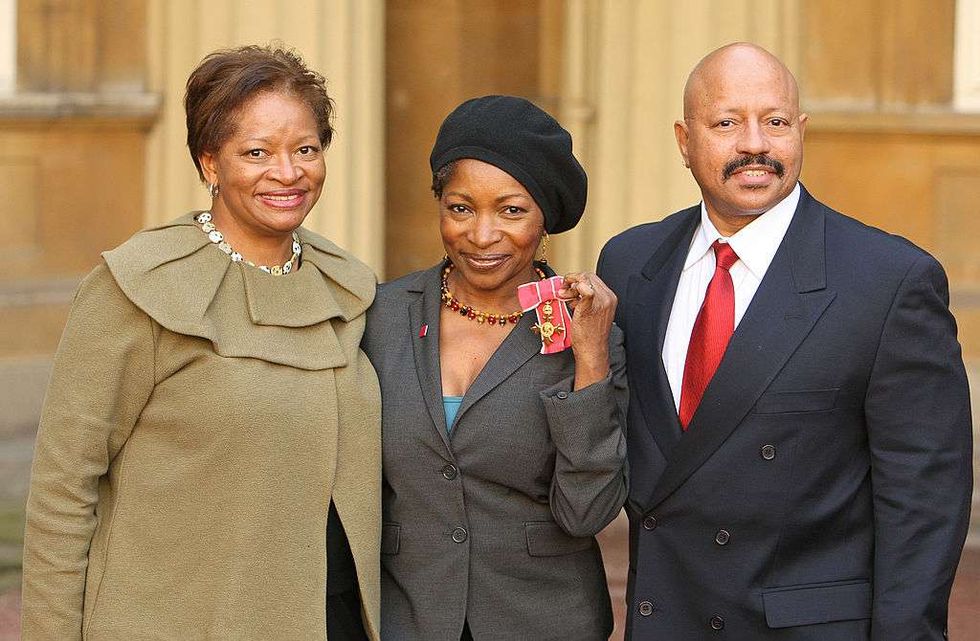 Playwright Bonnie Greer, (C) poses with her sister Regina Greer-Smith, and brother-in-law Theron Smith, after she was awarded her Officer of the British Empire (OBE) medal from the Prince of Wales, at an investiture ceremony at Buckingham Palace, November 19, 2010 in London. Dominic Lipinski - WPA Pool/Getty Images