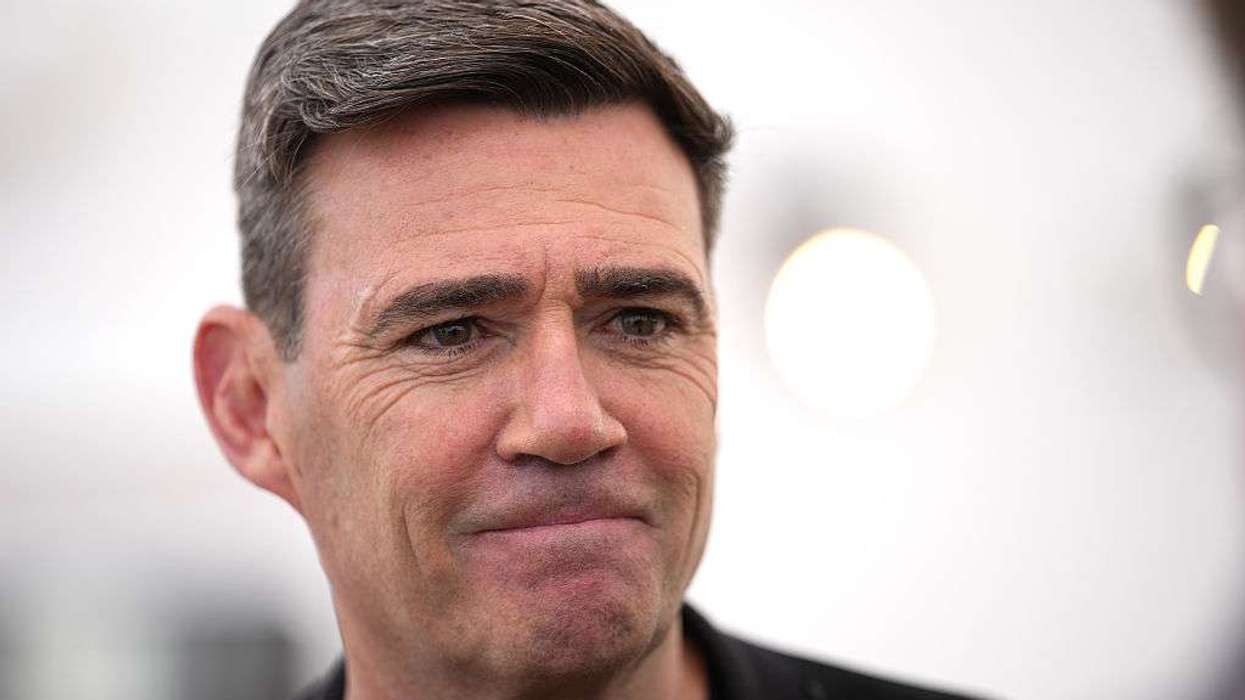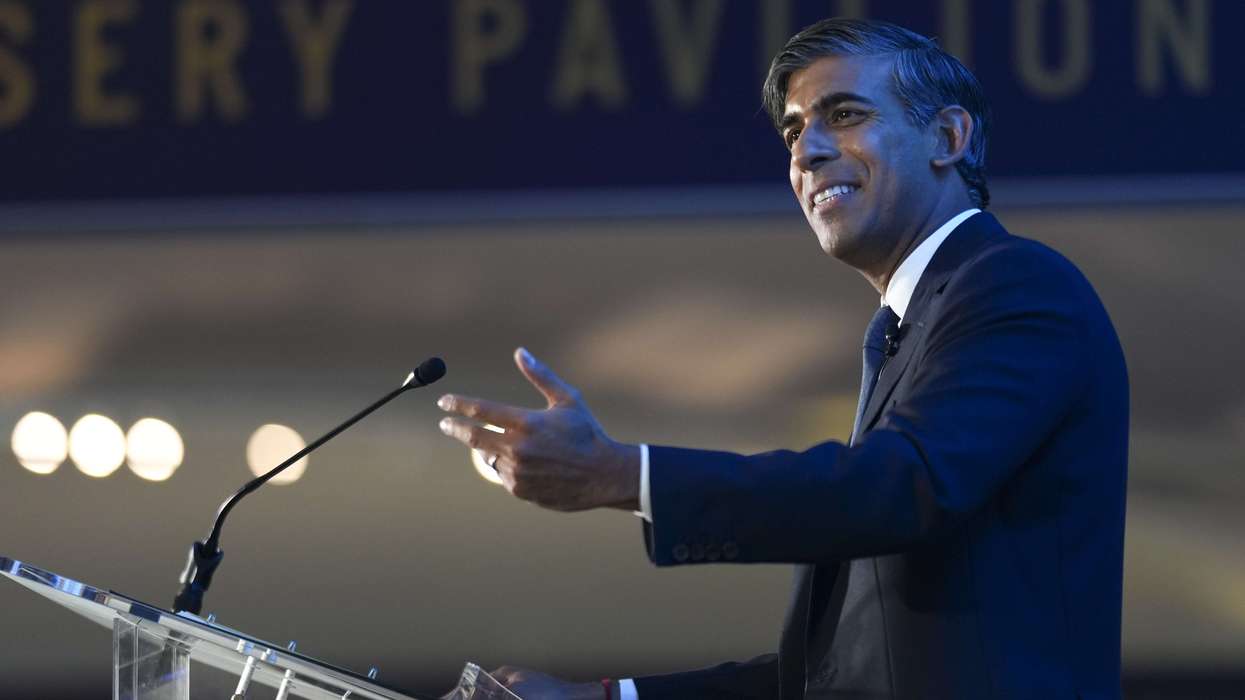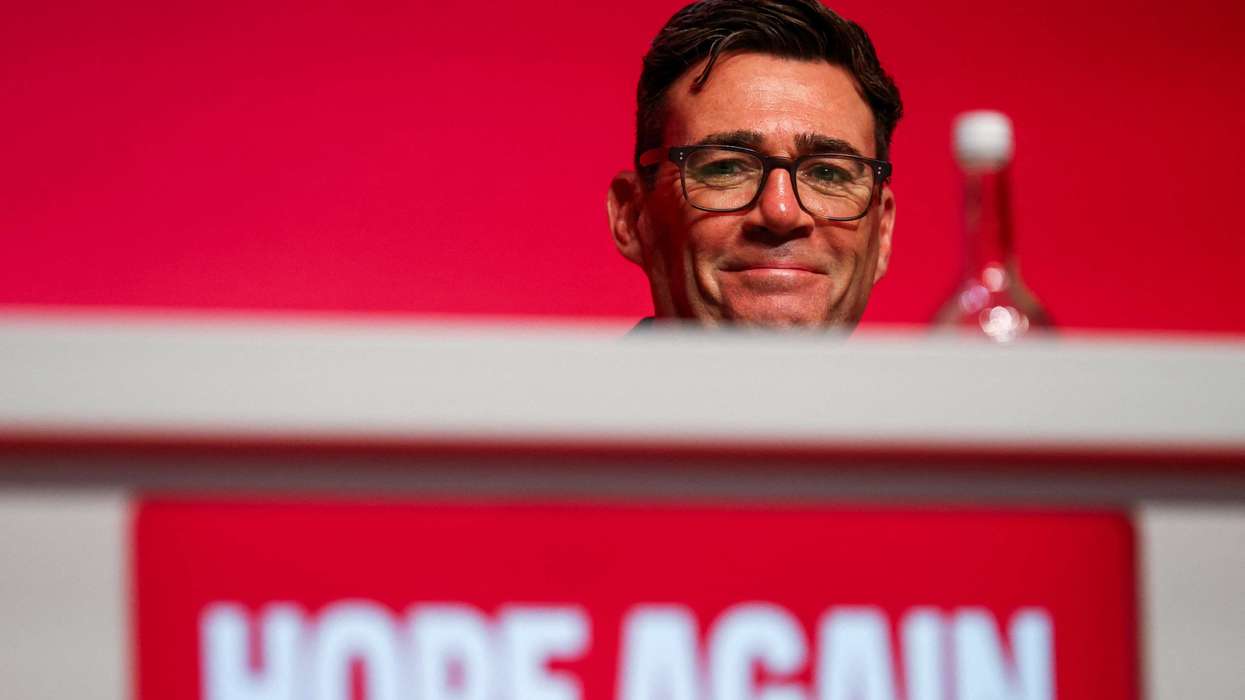
"Hope again" is the theme emblazoned everywhere around the Labour conference in Liverpool. Andy Burnham was on home soil to address his first conference as the party leader and prime minister. Yet the novelty factor is somewhat dimmed by this being the fourth year out of five to see a different prime minister make their first autumn keynote address. After Liz Truss in 2022, Rishi Sunak in 2023, Keir Starmer in 2024 was the only one of that trio to get a second go, but not a third.
Can Burnham break that cycle of disillusion and disconnection?
The leader’s simplest task this week has been to give his Labour Party a renewed sense of confidence. Most Labour members have transferred their hopes to the new leader with little difficulty, though former ministers found Burnham’s post-transition reshuffle bruising.
Burnham has secured the Labour government ‘a ‘second chance to make a first impression’ with the public. His simple method is often to note what did not work for Starmer – and to try the opposite, instead. Starmer emphasised his difficult inheritance – to manage expectations about how quickly change can be delivered. Burnham wants to talk about what the government can do, rather than the constraints and limits.
But how far is this mainly a change of style, or of substance, too? That question could not be fully answered this week – but perhaps Burnham must begin, primarily, with a change of style.
Burnham’s mandate in a parliamentary democracy is the 2024 Labour manifesto. He has been emphatic that he has no plans for a snap election – even if the Westminster media loves nothing more than speculating about election timing, offering a sugar rush of pure politics, when policy analysis can feel too much like eating boring vegetables.
Burnham’s bigger ambition is to restore optimism, confidence and hope in the country as a whole – to give Britain back its self-belief.
Yet his argument is that the causes of disconnection run deep: a story of “wrong turns” over four decades, where political power became too centralised in Westminster; and economic power too centralised by Thatcherism; with public frustration leading to a gamble on Brexit.
Burnham has spoken about giving the public “breathing space” on the everyday cost of living. Early measures on bus fares and energy bills also give the government breathing space to make bigger arguments – for more public control over the essentials, and spreading power beyond Westminster to places forgotten for too long. But chancellor John Healey faces as tight a budget as his predecessor, Rachel Reeves. And a mid-term successor remains on probation until he secures his own mandate.
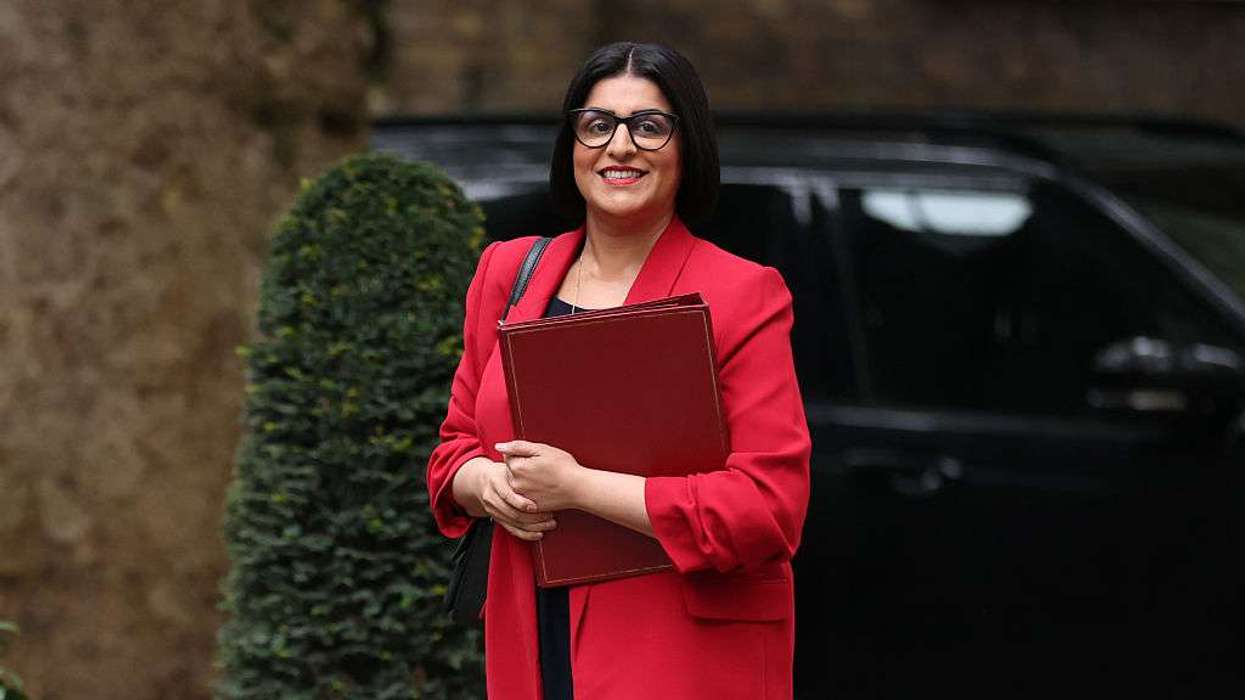
Burnham acknowledges that his biggest ambitions – a new social care system; a deeper relationship with the European Union and constitutional change, such as electoral reform - would require a new mandate, at the next election, to go ahead. Keeping Shabana Mahmood as home secretary was a continuity choice. Her uncompromising tough speech last year emphasised that recent migrants who wanted to stay in this country needed to earn their right to do so.
The content and tone divided Labour members: Mahmood had entered the conference as the frontrunner in a hypothetical post-Starmer leadership contest, yet her sweeping asylum and settlement reforms made her a non-runner. The home secretary pitched a similar foundational argument, but rebalanced her tone and content, now emphasising control and compassion, fairness to those genuinely fleeing persecution and the communities they join.
So the government will introduce new safe routes – with a particular focus on Afghan women – and a new community sponsorship scheme, though numbers will start in the hundreds, rather than thousands. Her settlement plans are being rethought after criticism they are unfair to care workers and other migrants. A visible lack of control does undermine pragmatic public permission for immigration – and narrows support for refugee protection.
But Mahmood offers a mythologised past, when she suggests that the Britain of the 1970s was – mostly – more welcoming to her parents' generation than we can be today. Immigration was no higher than emigration then – but public attitudes were much tougher and inter-ethnic contact less familiar.
Since 2024, Labour has cut net migration levels dramatically without shifting the public politics of the issue. Labour would leave a vacuum on tackling racism if cutting immigration was its main idea about how to do that.
“Hope again” pitches a nostalgic way to talk about the future. Burnham wants to appropriate the ‘take back control’ call which underpinned Brexit and to repurpose it for progressive ends.
His slogan leaves open when that moment of hope was – the 2024 landslide, the 2012 opening Olympic ceremony before Brexit, the New Labour era of Tony Blair and Gordon Brown, or the pre-Thatcher era of Harold Wilson or Clement Attlee – which this brings back from the left evokes when seeking to put Britain’s future back on track.