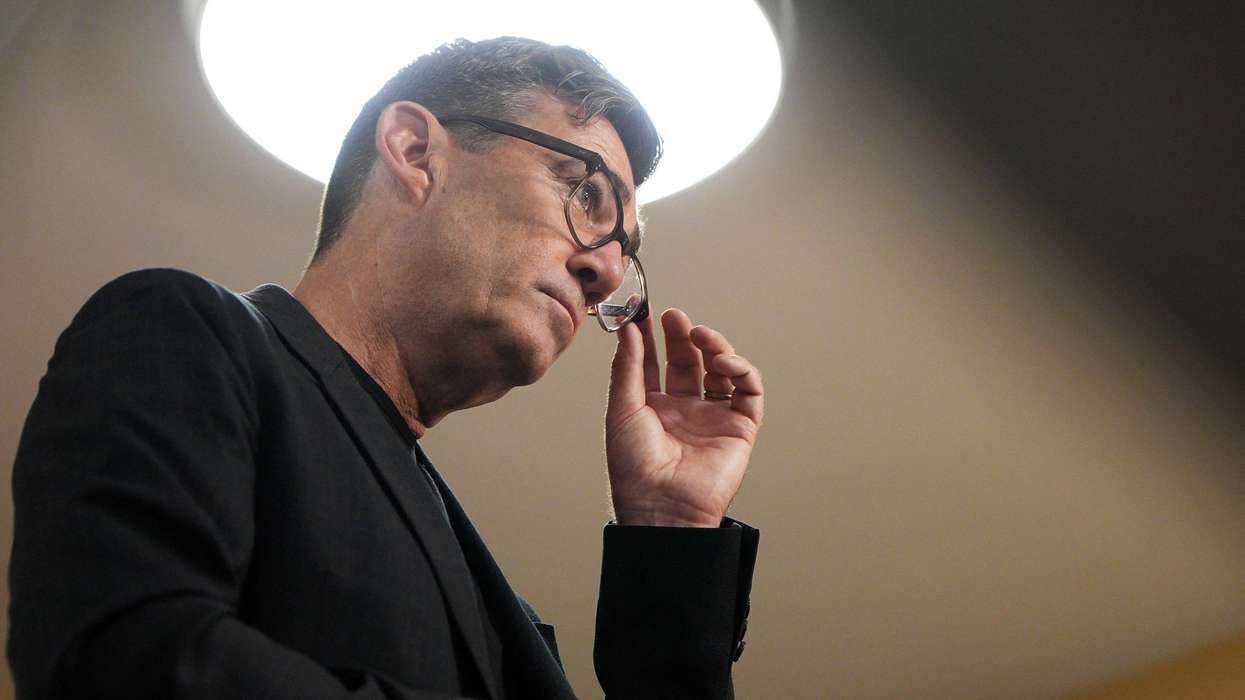

Andy Burnham left Buckingham Palace on Monday (20) acutely aware of the gap between the scale of his ambition - to deliver the biggest changes for forty years - and the Downing Street revolving door that makes him already the sixth new prime minister in a decade.
Only two summers before, Sir Keir Starmer, in possession of an election landslide, had spoken of a decade of national renewal. Now he had to declare his work in government ‘done’ – insisting in his pride in the incremental progress made, though bruised by his party’s impatient lack of faith in him to finish the job. He ended with a final warning about the dangers of the forces of division for British society, which he had struggled to quell.
This proved a much more workmanlike day of transition than it could have been, had Thomas Tuchel's England not frozen with fear after taking the lead over Argentina in the World Cup semi-final. So Starmer faced no madcap pre-resignation dash across the Atlantic before taking a red-eye flight back to advise the King to send for Burnham.
Football is not coming home just yet – except in the original sense, since the UK nations and Ireland will co-host Euro 2028, the next major tournament.
England finished third in the world after being European runners-up two years ago. The trophy-less run now stretches to sixty years since 1966, but that will be the next chance to dream of ending it.
While Spain showed the control that England had lacked to take the trophy back to a jubilant Madrid, London could focus on the political transition instead.
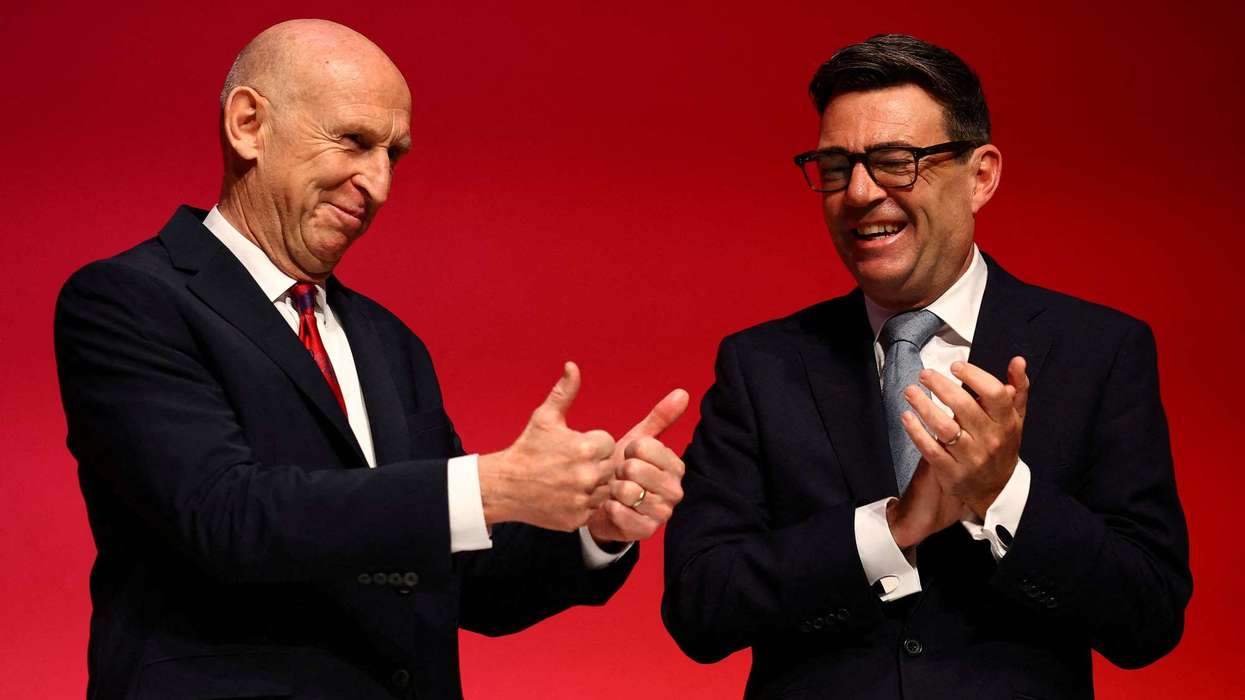
Labour coming home was Burnham’s message to his own party as they acclaimed him leader. Burnham was a young adviser, backbench MP and Cabinet rising star under Tony Blair and Gordon Brown in his ‘thirties, yet now places those New Labour era within the forty years of hurt in which communities felt a loss of control and power.
Burnham’s elevation to power has been a marathon and a sprint. It is sixteen years since the first of Burnham’s three bids to be Labour party leader. Two long summers in endless hustings debates saw him trail both Milibands (David and Ed) in 2010 before losing to Jeremy Corbyn in 2015, when trying to become Labour’s leader of the opposition.
The prize in 2026 was to be Labour prime minister, yet every obstacle or impediment simply melted away in the days after the Makerfield by-election. Starmer resigned without a fight. Burnham found himself unopposed, with no need to produce a manifesto, to hold hustings debates, nor field questions from party members, MPs or the media, propelling him to Downing Street by July, when he had anticipated September.
So, is he ready? “I know what I believe after 25 years as an elected Labour representative. And I know what I want to do. I have a plan”, Burnham told his party as he was elected leader. Labour MPs have been almost unanimous in vesting their trust in Burnham. He had 379 nominations - 95 per cent of the parliamentary group - once it became clear he would win. But there is much less agreement on what went right or wrong over the past two years and why – or what the balance of continuity and change on key policies.
His Labour colleagues have most confidence that Burnham will connect and communicate more effectively than Starmer, who stumbled early and never found a story about his government’s purpose to reach beyond the policy wonks. Burnham’s team believe the government’s mistake was to be heard mainly explaining the constraints on change, given its bleak inheritance, crowding out any sense of hope.
So the Burnham plan to introduce his premiership to the country in this first fortnight will seek to paint in primary colours some flagship values his government will stand for.
Devolving power to every postcode, fixing social care, and his day one instruction to end rough sleeping are commitments to symbolise his political compass – before the government grapples with the many real economic, diplomatic and political constraints on making change happen.
Burnham will tour the UK this August to signal that he knows his job has changed from championing the north to applying his arguments about spreading power to all parts of the country.
Yet the Burnham plan for government necessarily remains a work in progress on many of the big questions at home and abroad.
The new prime minister pledges his vision of the next decade this autumn. But he first wants his government to begin much more on the front foot than Starmer did after the election, or Tuchel’s England managed to be in those decisive world cup moments.
Getting his new cabinet squad safely to the August hydration break is crucial to finding the space for the full Burnham plan for government to emerge.