
For the better part of a decade, Manchester City has been synonymous with one man: Pep Guardiola. His tenure at the Etihad Stadium did not just yield historic highs and a cabinet overflowing with trophies; it fundamentally rewired the DNA of English football.
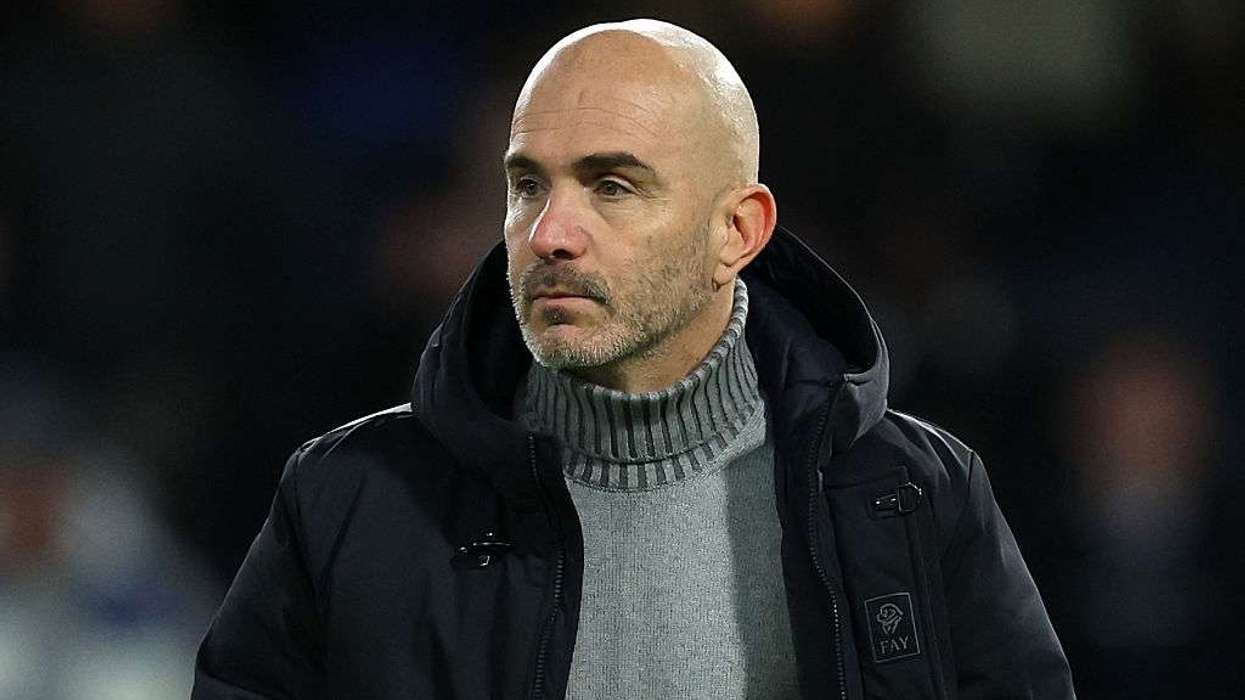
Now, the heavy crown passes to Enzo Maresca.
As "Man City" trends globally across search engines this week, the footballing world—including the club's massive, deeply invested fanbase across the UK’s South Asian diaspora and the wider Asian continent—is watching with bated breath. Maresca has officially returned to the club, stepping into the managerial spotlight at the City Football Academy to begin a highly scrutinized pre-season.
The Italian, who previously worked within the City machinery, will face the world’s media for the first time as the club’s outright leader this Friday. But the burning question remains: can any manager truly succeed at a club so heavily entrenched in Guardiola’s exacting, idiosyncratic way?
The weight of an unparalleled legacy
Replacing a legendary manager is historically fraught with danger in the Premier League. The turbulent aftermaths of Sir Alex Ferguson at Manchester United and Arsène Wenger at Arsenal serve as cautionary tales of what happens when the architect of a dynasty departs.
Maresca is not just inheriting a squad of world-class athletes; he is inheriting a deeply ingrained philosophy. The transition requires a delicate balancing act—respecting the tactical foundations laid by Guardiola while imprinting his own authority on a dressing room accustomed to a specific brand of genius. The uncertainty of this new Premier League era presents its own unique challenges, with rivals eager to capitalize on any signs of a post-Guardiola hangover.
Leadership and the Asian connection
From the boardroom perspective, however, there is quiet confidence. City chairman Khaldoon Al Mubarak has publicly praised Maresca’s courage in wanting to take on the challenge of replacing such a successful coach. It is an open secret in footballing circles that other high-profile candidates over the years have quietly balked at the prospect of following Guardiola. Maresca’s willingness to step into the fire speaks volumes about his ambition.
For Eastern Eye readers and the global Asian fanbase, the immediate focus now shifts to the pitch. Maresca has already begun working with non-World Cup international players reporting for duty this week. Crucially, the group is preparing for three high-profile pre-season friendlies in Asia.
This Asian tour is more than just a commercial exercise; it will be the first real litmus test of Maresca’s tactical setup and his ability to command the touchline. It also serves as a vital bridge to City’s booming fan demographic in the East, offering supporters a firsthand glimpse of the club’s new direction before the domestic curtain-raiser against Arsenal in the Community Shield.
What defines success?
Maresca has all the tools at his disposal: state-of-the-art facilities, bottomless financial backing, and a squad brimming with elite talent. But the psychological challenge is mammoth.
Friday’s press conference will offer the first clues into Maresca's mindset. Will he project the image of a continuity candidate, or will he signal a tactical evolution? For Manchester City’s global empire, the Guardiola era is officially over. The Maresca era has begun—and there is no margin for error.

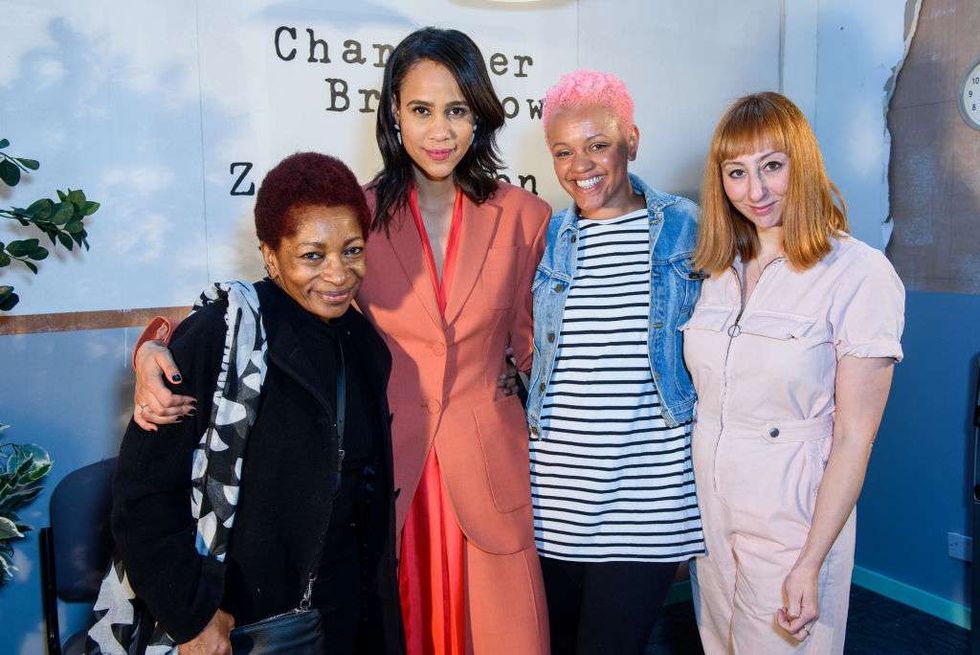 Bonnie Greer, Zawe Ashton, Gemma Cairney and guest at the "Character Breakdown" by Zawe Ashton book launch at Wild By Tart on April 03, 2019 in London, England. Photo by Joe Maher/Getty Images
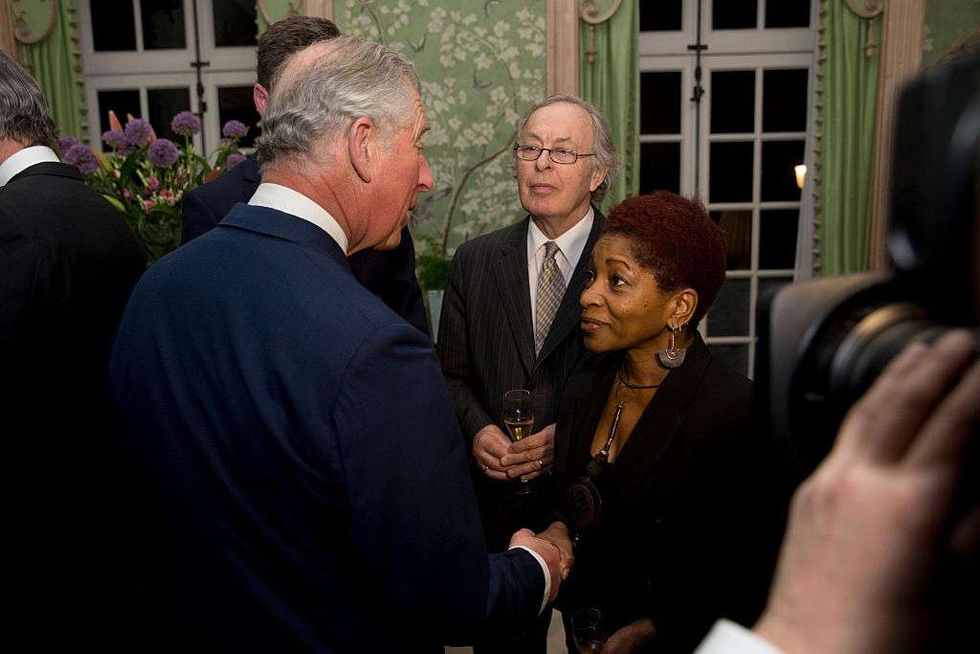 Prince Charles, Prince of Wales meets American-British playwright, novelist and critic Bonnie Greer, right, during a reception for Americans living and working in the UK, at the official residence of the U.S. Ambassador to Britain, Winfield House on March 9, 2015 in London, United Kingdom. The reception was held Monday evening ahead of Prince Charles and his wife Camilla visiting the U.S. next week. Photo by Matt Dunham - WPA Pool/Getty Images
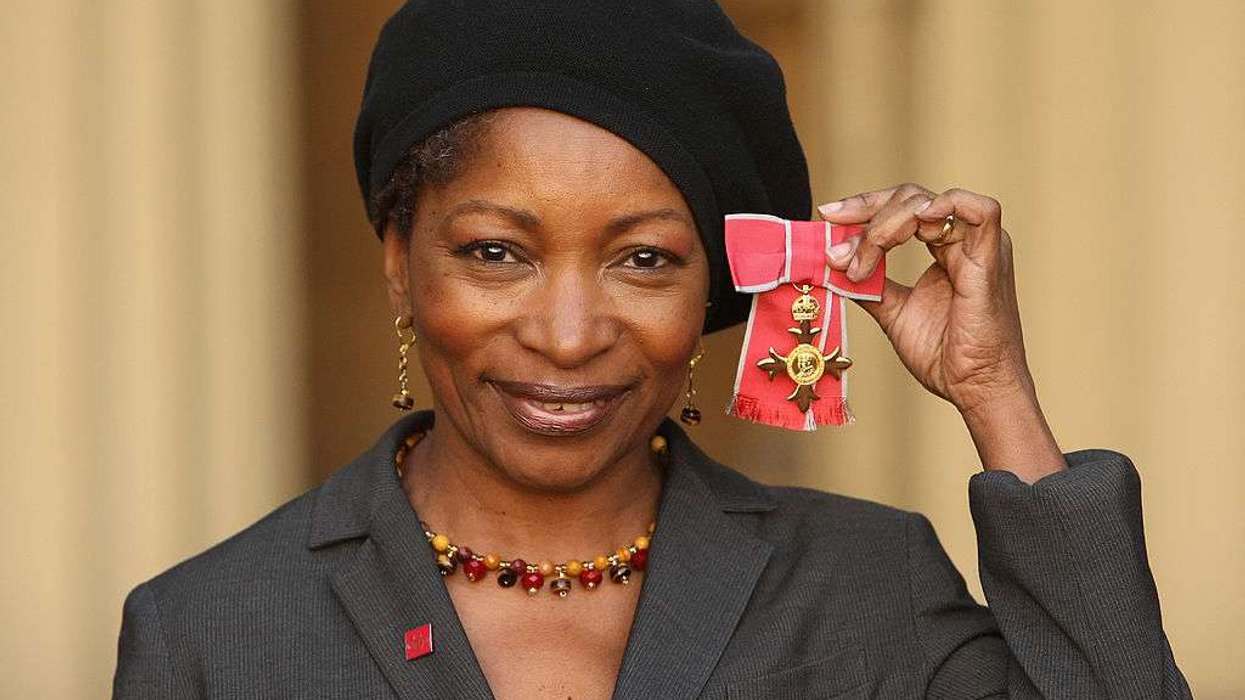
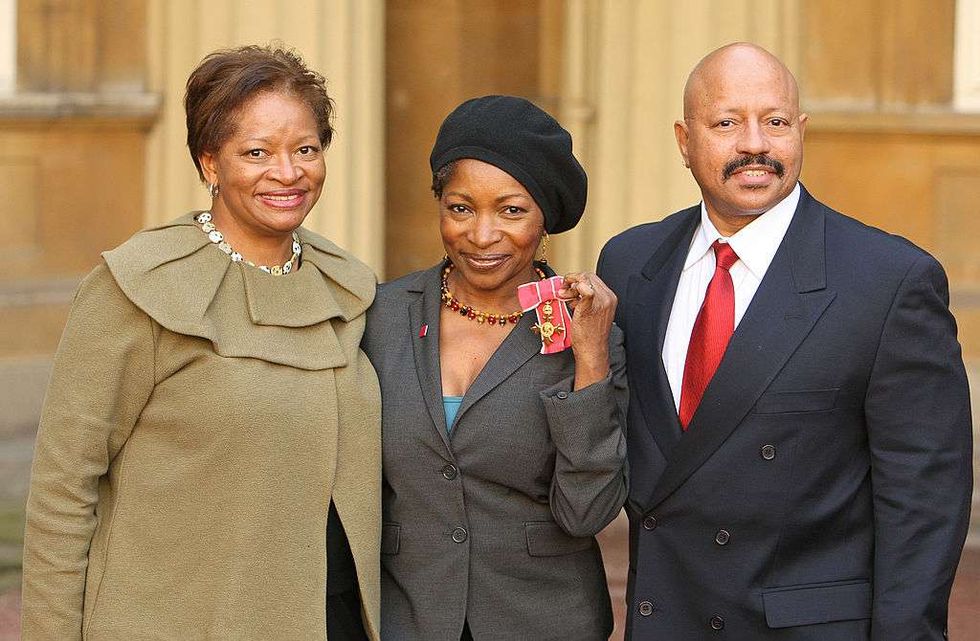 Playwright Bonnie Greer, (C) poses with her sister Regina Greer-Smith, and brother-in-law Theron Smith, after she was awarded her Officer of the British Empire (OBE) medal from the Prince of Wales, at an investiture ceremony at Buckingham Palace, November 19, 2010 in London. Dominic Lipinski - WPA Pool/Getty Images