
- Median pay for FTSE 100 CEOs rose to a record £5.06 million in the latest financial year.
- The gap between chief executives and the average UK worker widened to 130:1, the highest level since 2018.
- Executive bonuses and long-term incentives continued to climb even as concerns over income inequality grew.
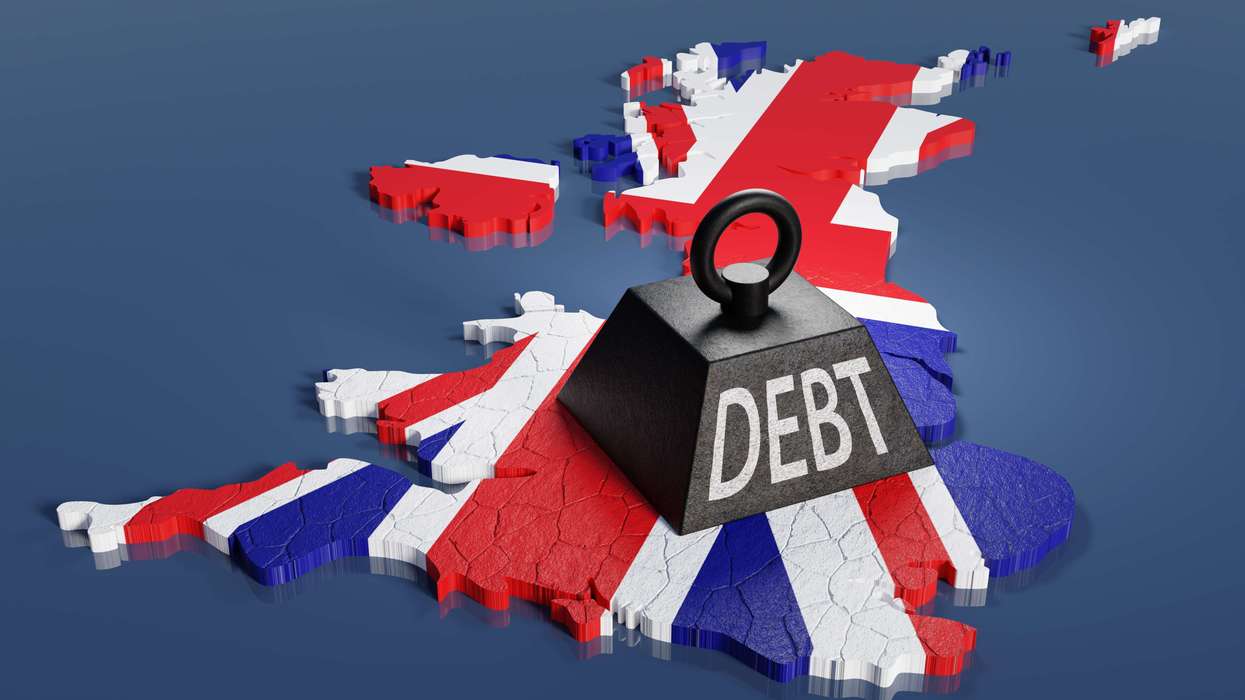
The gap between Britain's highest-paid executives and the average worker has widened to its biggest level in eight years, with FTSE 100 CEO pay reaching another record high.
New figures from the High Pay Centre show the median chief executive at a FTSE 100 company earned £5.06 million during the latest financial year, an increase of 8.6 per cent from £4.66 million a year earlier. That means the typical boss of Britain's largest listed companies now earns 130 times the salary of the average full-time UK employee.
By comparison, the median annual pay for a full-time worker in the UK stands at £39,000, according to the Office for National Statistics' Annual Survey of Hours and Earnings.
Bonuses continue to lift executive pay
The latest figures suggest executive remuneration has continued its post-pandemic climb after many company leaders accepted temporary pay cuts during Covid-19.
The High Pay Centre estimates FTSE 100 companies spent £856.6 million on executive pay during the financial year, including around £550 million paid to chief executives alone.
Sixty-six of the 94 companies included in the analysis increased their CEO's pay package compared with the previous year.
Performance-related rewards continued to drive much of the increase. Average long-term incentive payments rose 20 per cent to £2.7 million, while short-term bonuses increased 14 per cent to £1.8 million.
Although the overall amount paid to executives fell slightly from £1 billion in the previous report to £856.6 million, the High Pay Centre said this was largely because the earlier figures included unusually large payouts linked to engineering company Melrose Industries following its acquisition of GKN.
Calls grow for a fresh debate on executive pay
Pascal Soriot, chief executive of AstraZeneca, was once again the UK's highest-paid FTSE 100 boss, taking home £17.7 million during the year.
Former GSK chief executive Emma Walmsley ranked second after receiving £15.6 million, following a near-50 per cent increase in her final year leading the pharmaceutical company.
Barclays chief executive CS Venkatakrishnan earned £15 million, marking the bank's largest executive pay package since Bob Diamond received £17 million in 2011. The increase followed the removal of EU limits on bankers' bonuses in the UK.
Shell chief executive Wael Sawan received £13.7 million, despite weaker company profits, while Standard Chartered's Bill Winters rounded out the top five with £12.7 million.
Andrew Speke, interim director of the High Pay Centre, reportedly said, as quoted in a news report, that the widening gap between executive and worker pay should serve as a "wake-up call" for policymakers who have overlooked rising executive remuneration.
He added that executive pay has increased for four consecutive years and is now growing faster than worker pay, warning that failing to address widening income inequality could weaken public confidence in the UK's economic system.
The think tank has called for reforms to how executive pay is set, including greater worker representation on company boards and changes to corporate governance rules. It is also backing the full implementation of Labour's Employment Rights Bill and has proposed measures such as a "fat-cat tax" on excessive executive pay.
While the debate over executive remuneration is far from new, the latest figures suggest the gap between Britain's boardrooms and the wider workforce is widening again, raising fresh questions about how the rewards of corporate growth are being shared.