
Highlights
- Burnham is under pressure to set out detailed plans in his keynote speech on Tuesday (29).
- Tax pledges leave little room for chancellor John Healey's first budget on October 28.
- Burnham has ruled out an early election before August 2029.
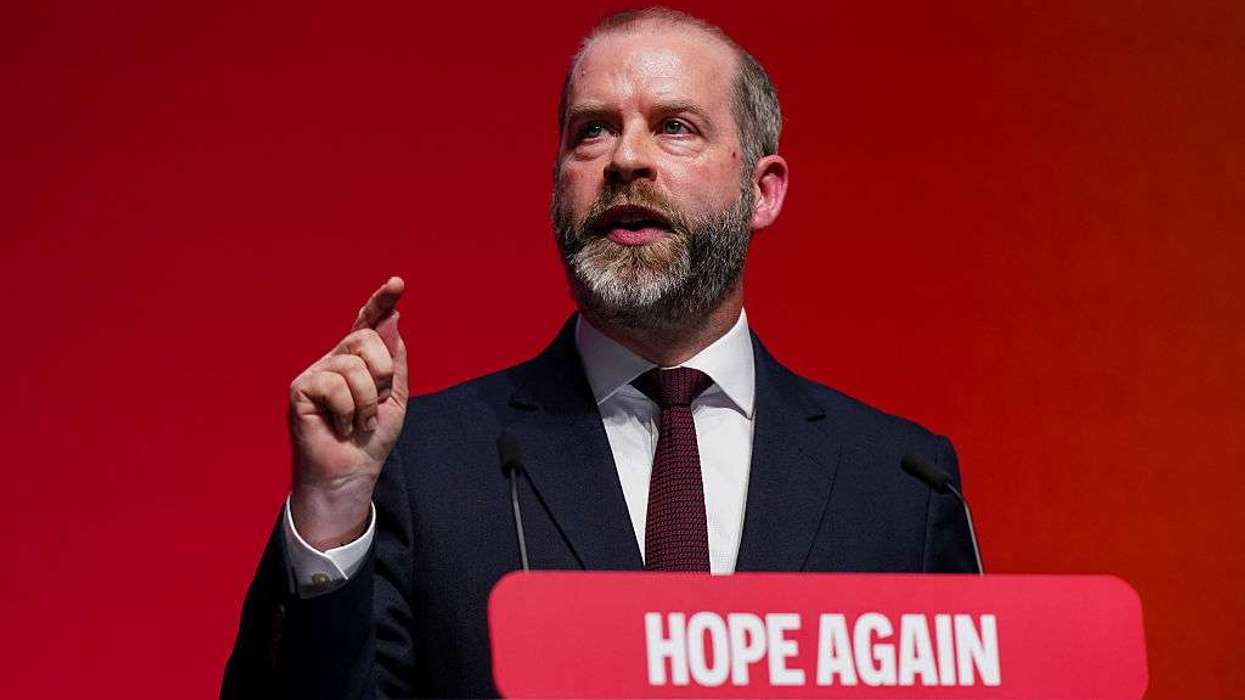
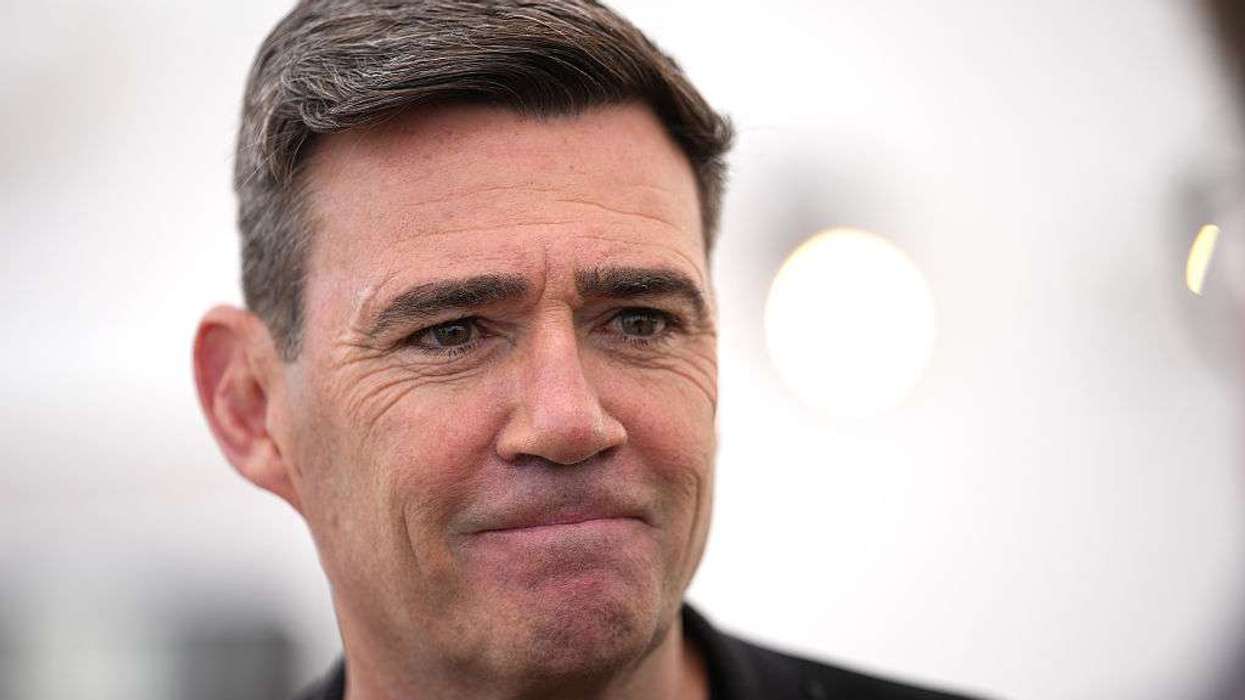
PRIME MINISTER Andy Burnham opens his first Labour conference as prime minister on Sunday (27) with his party ahead of Reform UK in some opinion polls. That is a sharp reversal from last year, when Nigel Farage's party enjoyed double-digit leads.
A YouGov poll published on Thursday (24) put Labour on 24 per cent and Reform on 22 per cent.
Senior party figures say the prime minister must now explain how he will deliver on his pledges. These include ending rough sleeping, reforming a ballooning welfare bill, funding a new social care service, reindustrialising the country and raising defence spending.
"It needs to go beyond the TikTok and good vibes stuff," said former minister Tony McNulty. McNulty served alongside Burnham in the Labour governments of the early 2000s.
He said Burnham must start fleshing out his promised "10-year plan for Britain" in his keynote speech on Tuesday (29).
"Much of it might still be broad brushstrokes, but he needs to start the process of putting meat on the bone," he said.
Burnham has limited room to manoeuvre. Labour's election-winning manifesto committed the party not to raise income tax, national insurance contributions or VAT. That makes chancellor John Healey's first budget on October 28 a difficult one.
No plans for an early election
Last Friday (25), Burnham told ITV he would not call an early election before the required date of August 2029 to free himself from those commitments.
"All of this speculation on an early election, I can knock that dead," he said.
Since taking office, Burnham has cut electricity bills, capped bus fares and reduced business rates for pubs, clubs and live music venues. He has said he wants to give voters some "breathing space" from cost-of-living pressures made worse by the wars in the Middle East and Ukraine.
Young people are expected to be another test. Labour MP Alex Sobel said he wants to hear "what we'll do to support" young people in terms of opportunities. Official figures show some 981,000 people aged 16 to 24 are not in employment, education or training.
Burnham, the former mayor of Manchester, became prime minister on July 20 after Labour MPs ended Keir Starmer's two-year premiership. He had returned to parliament just weeks earlier, after a nine-year absence.
Plans to boost growth
He has since set up a "No. 10 North" office in Manchester as part of plans to boost growth by devolving more powers to cities and regions. Surveys suggest almost half of Britons view him favourably.
Labour MP Paula Barker said she expected a positive atmosphere at the four-day gathering.
"I think the mood will be buoyant," she said. "Things are moving in a better direction than the last two years."
The YouGov survey suggested that if an election were held tomorrow, Labour would lose its majority but would likely be able to lead a progressive coalition.
Political scientist Tim Bale cautioned that the recovery may not last.
"There's still an underlying anxiety about how long ... (Labour's) bounce will last given the very tricky fiscal situation the government is in," he told AFP. He added that Labour remained a long way off the roughly 30 per cent needed to win an election.