
Highlights
- AI-linked investment boom drives 25 per cent average wealth growth among billionaires
- US hosts over 1,000 billionaires, ahead of China and India
- UK sees 43,000 new millionaires, but long-term household wealth decline continues
THE number of billionaires around the world rose by more than 13 per cent over the past year, driven largely by strong investment returns in artificial intelligence-related companies, according to a report by the Swiss bank UBS.
As many as 383 people crossed the threshold into billionaire status in 2025, taking the global total to 3,302. The US remains the dominant hub, with more than 1,000 billionaires, followed by mainland China with 562 and India with 211. Germany has 193.
Meanwhile, the UK has seen a rise in the number of new millionaires but a sharp fall in real household wealth since the pandemic.
According to the report, Britain has 156 billionaires, down from 165 the year before. The richest UK family remains the Hinduja family, with a fortune of about £37 billion, according to Asian Rich List 2026 published by Eastern Eye.
Following the death of Gopichand Hinduja last November, the global enterprise is led by surviving brothers Prakash and Ashok, as well as Gopichand’s children Dheeraj and Sanjay, and his other nephews.
At the same time, Britain added more than 43,000 new millionaires last year, a rise of 1.8 per cent. UBS data also showed that globally “more than 2,600 newly minted millionaires” are created every day.
A separate ranking by Hurun Research Institute said the UK now has 80 “unicorn” firms—private companies valued at over $1 billion. It added that Britain has “cemented its position as Europe’s undisputed start-up capital”, with 23 unicorns created in the past year.
However, UBS warned that average wealth per adult in the UK has fallen by more than a fifth in real terms since 2020, leaving the typical Briton with just over £95,000 in assets last year—below levels seen in countries such as the Netherlands and Italy.
Investor enthusiasm on AI
The Swiss banking major said the surge in wealth was closely tied to continued investor enthusiasm for AI-focused firms. Overall billionaire fortunes increased by an average of 25 per cent, significantly outpacing global average personal wealth growth of 10.8 per cent.
The report also highlighted extreme concentration at the top end of wealth. It identified 18 individuals with fortunes between $50 billion and $100 billion, and a further 19 above $100 billion. Fifteen of those ultra-wealthy individuals are based in the US.
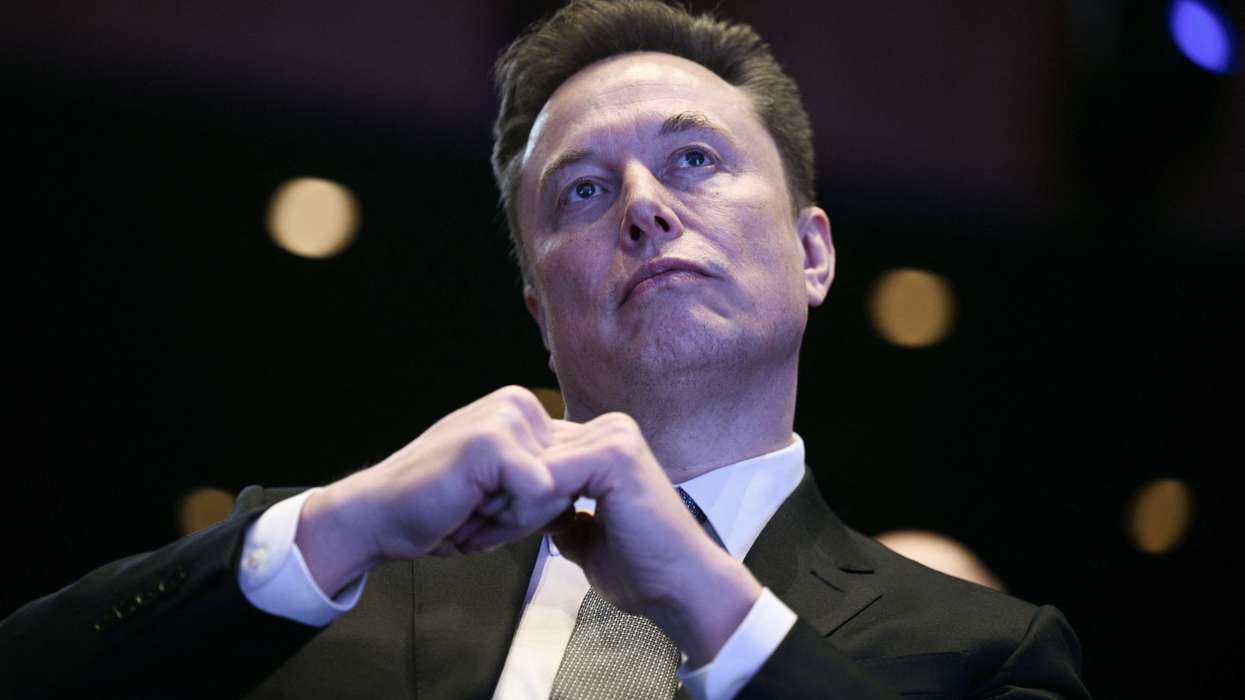
Among them is Elon Musk, who, according to the report, became the world’s first trillionaire last month after the flotation of SpaceX, valued at nearly $2 trillion. SpaceX also includes his AI company xAI.
The latest expansion marks the third consecutive year of global wealth growth, which UBS said is now rising at its fastest pace since 2017—roughly double the rate recorded in 2023 and 2024.
Eastern Europe recorded the fastest growth in millionaires, led by Lithuania, followed by Turkey, Latvia and Hungary. Ireland and Russia also saw notable increases.