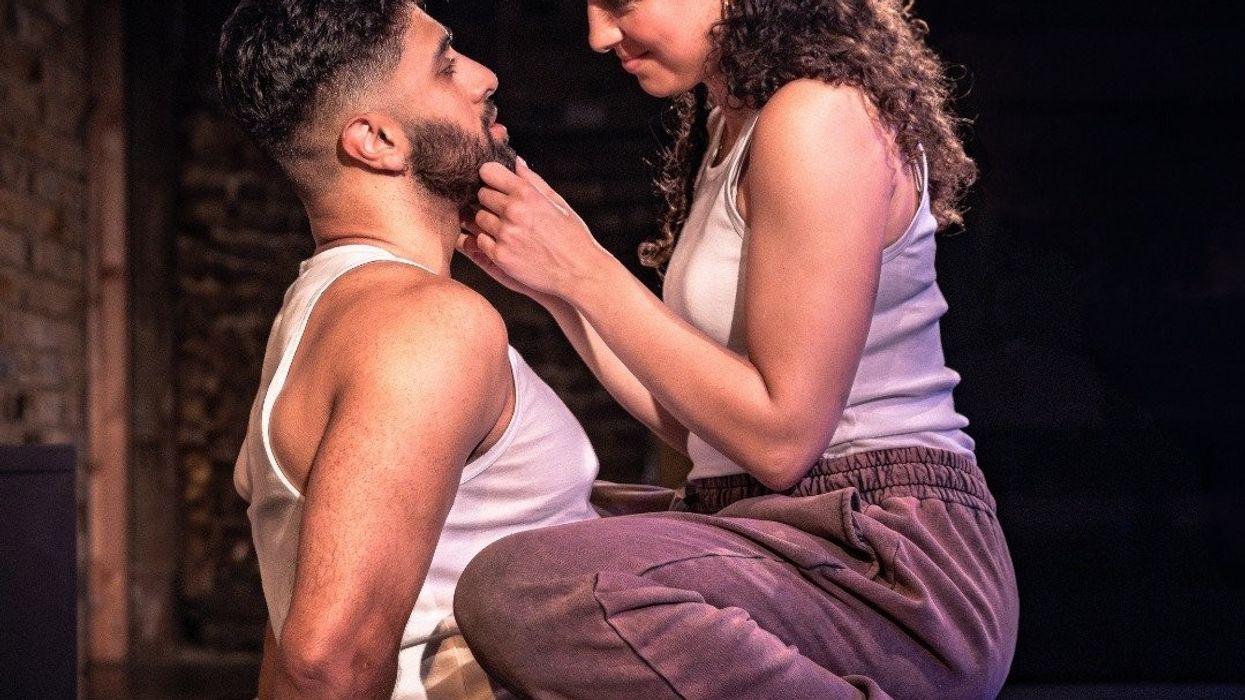

AZAN AHMED hopes his leading role in After Sex will help change the perception of characters Muslim actors are willing to play.
Described as an erotic two-hander, After Sex opened at north London’s Arcola Theatre on Tuesday (16) and explores the relationship of a couple through a series of post-coital scenes.
Writer Siofra Dromgoole said she hoped the production could show how sex can change a person and relationships. In the play, Ahmed is simply known as HIM and his co-star Antonia Salib (Hijack, Moon Knight) is referred to as HER.
“The play follows two people who work together, and then they start casually sleeping together. It charts their situationship – I call it a situationship because there are scenes where they are struggling to define what they are – if they’re a couple or not, if they have any feelings for each other long term or not. The audience is taken on a journey as they navigate intimacy,” Ahmed told Eastern Eye.
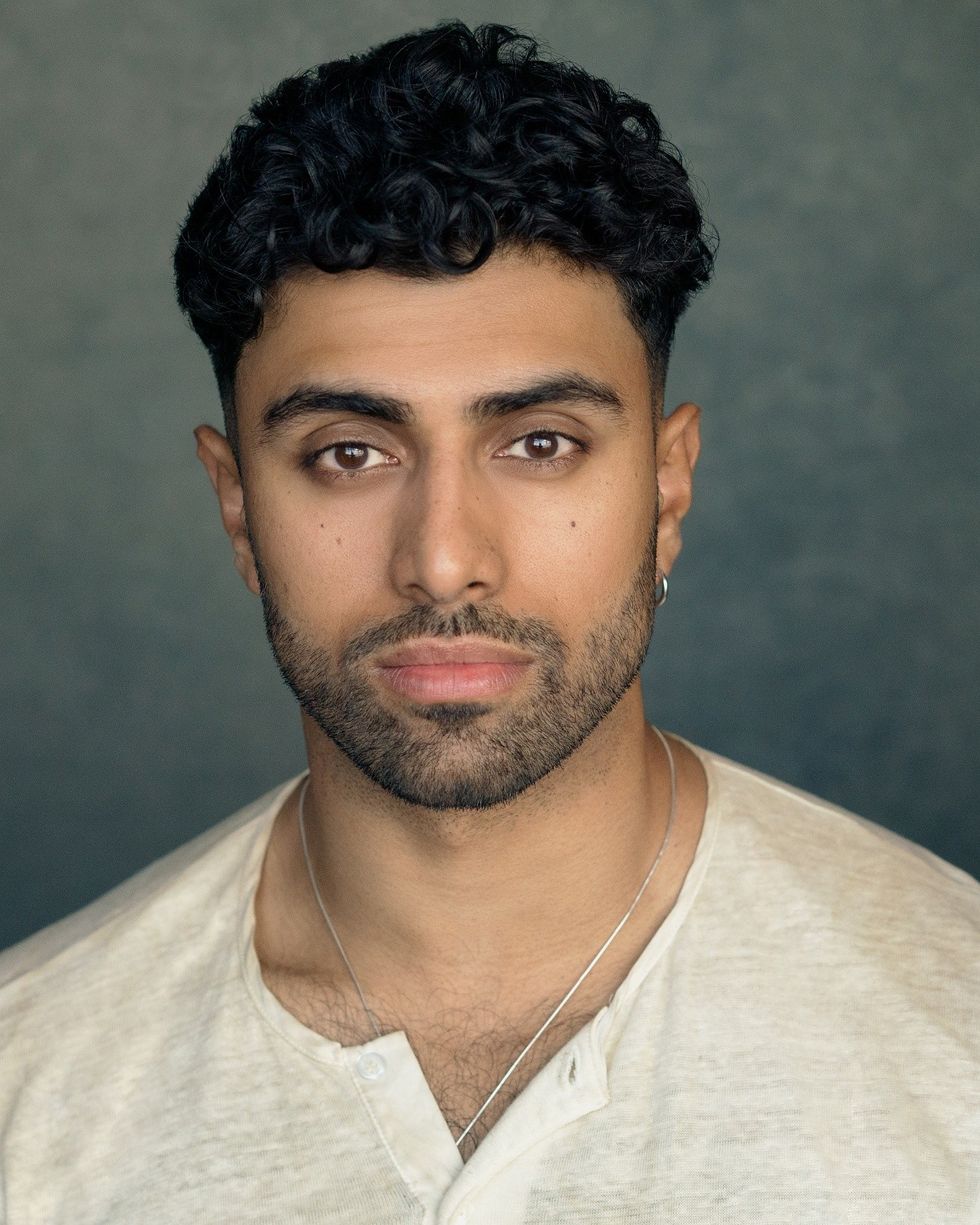 Azan Ahmed
He said: “Each scene feels like they’re playing a game, and the audience is trying to figure out the rules for their relationship, how they match up to each other.
“The obstacles they encounter are things like politics, if they’re aligned politically, if they have the same hobbies or interests – they both like poetry, they both like steak, but what about anything deeper than that? And, also, family – one of the characters has a tricky relationship with family, and the other doesn’t.
“When you care about someone, but you haven’t labelled that you’re together, how do you approach that without crossing a boundary?”
Director and producer, Izzy Parriss, said she got the idea for After Sex after she became fascinated with intimacy coordinators, hired by film and television productions, and she wondered how that could be translated to the theatre world.
Parriss wanted to “pioneer a new path for UK theatre industry around intimacy and how sex is handled”.
The play does not feature explicit sex scenes or nudity, and Ahmed credits intimacy co-ordinator Stella Moss for being able to tell the story in a different way.
“Izzy and Stella have been such a dream because there’s a really sort of seedy, easy version of this play – which is ‘what you see is what you get’. Whereas the way Izzy and Stella have introduced intimacy to us, and bringing it on stage, it’s all about the connection and misconnection between two people,” said Ahmed, 26. He said he was fascinated by the innovative techniques Moss used to bring the intimacy to life.
“It is something this play tackles really smartly because there’s no explicit, simulated sex. It’s all done really artistically, through breath or movement, or sound or lighting,” said Ahmed.
Members of the audience will still be able to see and feel the different levels of intimacy and what happens afterward without having to see the physical side of intimacy, he said. “Because we’re live on stage, it allows us to explore it a different way, but you are still able to see how performance is a real factor when it comes to physical intimacy,” the actor said.
“We can play with the audience – how much they see, how much they hear, we’re asking the audience, what is actually important for you to experience to get the message across for this sex scene – is it just what you hear? Or what you see? Both me and Antonia are capable movers, we’re using that and breath work to represent how physical intimacy can feel, whether when it’s going good and when it’s not going so good,” he added.
Each scene begins with a physical encounter between the pair which leads to an exploration of their relationship and lives. “There is some physical intimacy – there’s a lot of dancing together, there’s a couple of kisses. But what we have done is created an intimacy language which is very intentional,” said Ahmed.
 A still from the play
“These two characters are like magnets, and, sometimes, they really push against each other, and sometimes really pull into each other, and sometimes one is pulling, one is pushing. And we use intimacy as a layer in that language.
“If there is a kiss, are they both pulling into each other for that kiss, or is one doing it and the other one’s not really on board. Whenever the audience sees a moment like this, they ask, ‘what does it represent?’” he said.
Ahmed, who recently performed in the award-winning The Father and the Assassin at the National Theatre, said he enjoyed working on After Sex as it allowed him to tap into different aspects of his skills as an actor.
“In terms of the work I choose to do, I always want to try and improve as an artist. Sometimes that means doing big, epic cast shows about independence (The Father and the Assassin), and sometimes it means doing a two-hander about human connection – both those things make me grow as an artist,” he said.
As a British Asian Muslim, it’s not lost on Ahmed the impact of playing the role of HIM in After Sex on how actors from a similar background are viewed.
“This type of show – where both actors are of colour and we’re both playing romantic leads – how often does that happen? How often have you seen someone who looks like me in a romantic lead – maybe just in Bollywood films,” he said.
“I hope a play like this can stretch culture. When south Asians are not seen in these roles, producers put us in a certain category, but we’re just as capable of feeling love and joy and intimacy the same way we can feel pain. I can play any of these parts (After Sex), it doesn’t always have to be the trauma show about my identity clash,” he added.
Ahmed said he is a “proud” Muslim and that his faith plays a strong part in his career. He recently starred in 10 Nights – a one-man show where he played six different parts – that toured London, Bristol, and Leicester.
In the main role of Yasser, Ahmed played a young Muslim man sitting in Itikaf – sleeping and fasting in a mosque for the last 10 days of Ramadan and devoting himself to worship and self-reflection.
Through Yasser’s personal journey – reckoning with the grief and guilt he feels over the death of his close friend, Aftab – the play challenges multiple stigmas within Muslim communities around substance abuse, worship, and relationships.
Written by Shahid Iqbal Khan, 10 Nights was nominated for an Olivier Award in 2022, after the play was first performed at the Bush Theatre in west London in 2021.
Ahmed said watching Oscar winner Riz Ahmed gave him the confidence – that as a Muslim actor – there were no barriers to success.
“He actually made me believe that it was possible for me to do this,” said Ahmed. “I remember I read an essay he wrote in this book called The Good Immigrant. I was in my first year of uni, I had just discovered that drama schools existed and I was toying with the idea of can I actually be an actor? This essay made me realise that, ‘oh my God, there’s someone who thinks like me’.
“I felt ideologically represented by this person. He’s a proud British Asian, a proud Muslim – it lit a fire inside me. He’s provided the blueprint, whether he knows it or not, he’s allowed us to make space for ourselves,” he said.
He added: “None of us are trying to be the next Riz. We’re just trying to be the next version of ourselves – the best version of ourselves. Riz has done things his way, he raps, he produces, he acts, he writes, that’s him. When I’m acting or when I’m writing, I’m doing me and my brothers either side of me, and my sisters either side of me, who are pursuing this thing, they feel like they’ve got permission to just be themselves and grow.”
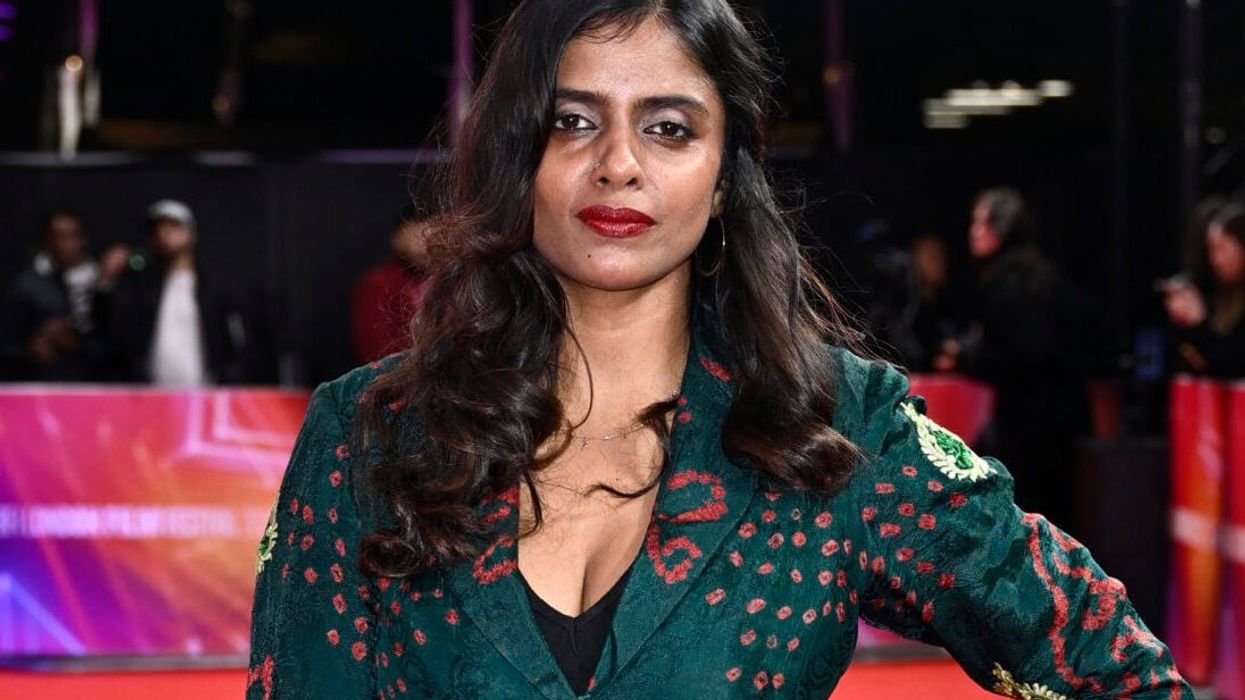
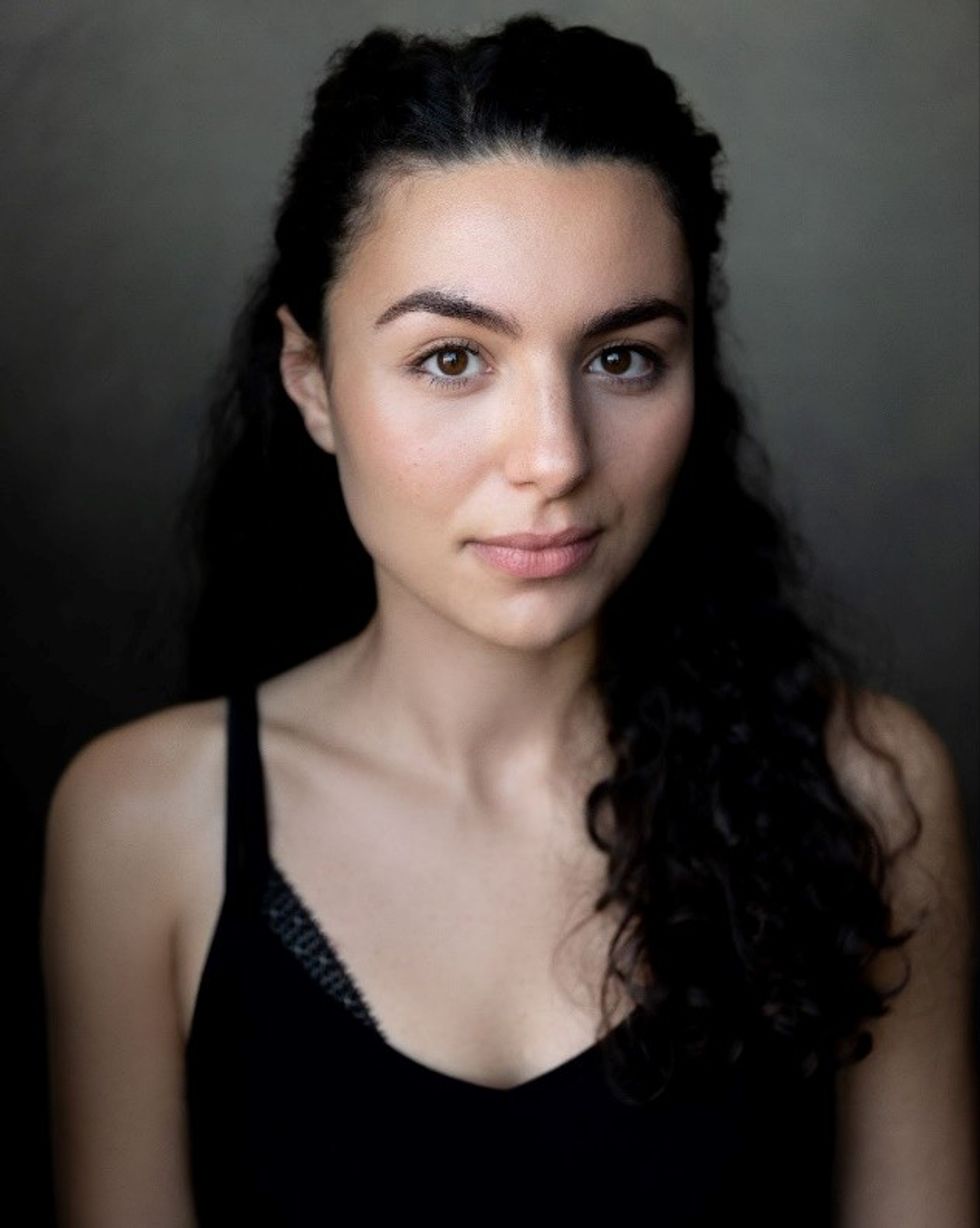 Antonia Salib
Ahmed is making efforts to also provide a platform for other British Muslim artists to showcase their work.
He created Deen & Dunya – a poetry night that celebrates and elevates Muslim voices. Since its inception in 2021, it has enjoyed sell-out nights at Bush Theatre and Shakespeare’s Globe, headlining the Shakespeare & Race Festival.
“When I read the script for 10 Nights, I really fell in love with it. I created Deen & Dunya to show the theatre world that it’s really good to have a Muslim-centred show about one Muslim man’s experience. But I wanted Deen & Dunya to be a reminder that one Muslim south Asian man doesn’t speak for 2.2 billion globally, and the best way I knew how to do that was to get a bunch of talented Muslim artists together and for them to share their work,” he said.
“I hope it makes theatres realise that Muslims have different facets. I also bring in audience members who are Muslim who wouldn’t usually go to the theatre. I want them to feel welcome at the theatre.
“At our shows, we have prayer spaces available – we’ve prayed in the main theatre space. We’ve done Ramadan events where we provided iftar for people.”
After Sex is on at north London’s Arcola Theatre until August 3.


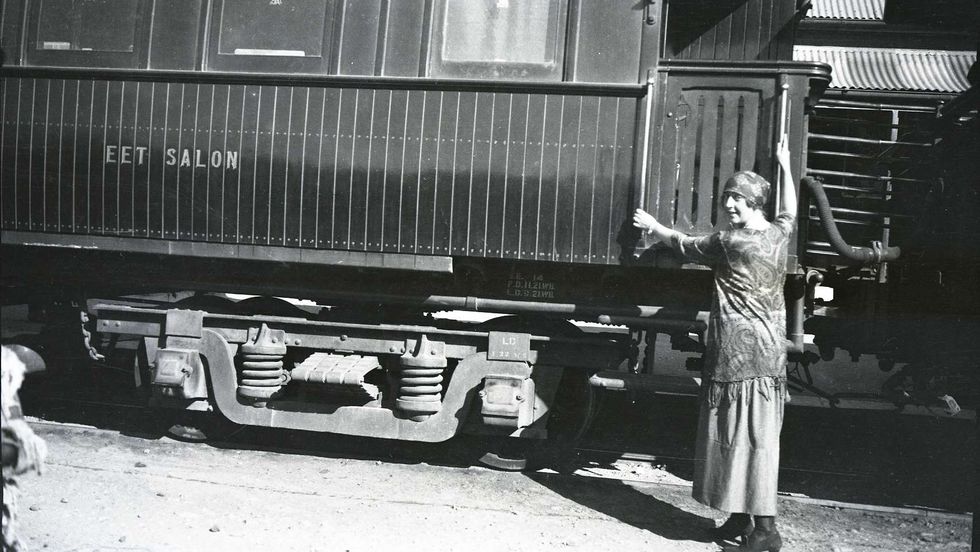 Agatha Christie boarding the EET Salon at lunchtime on the train from Bulawayo to the Cape. In 1922 Agatha Christie set sail on a 10-month voyage around the world. Her husband Archie had been invited to join a trade mission to promote the British Empire Exhibition and Agatha was determined to go with him The Christie Archive Trust
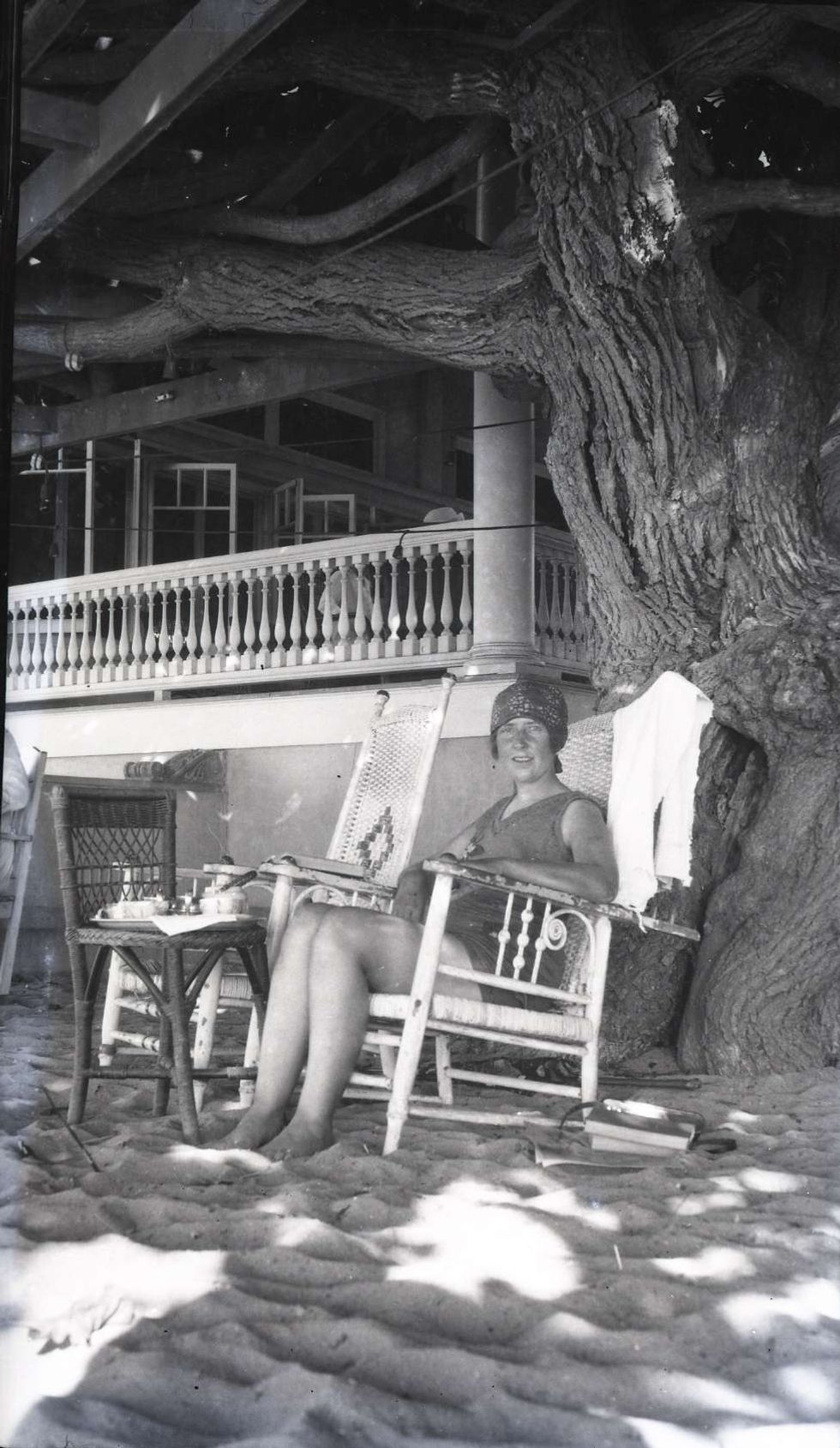 Agatha Christie under a tree on Honolulu beach after surfing, 1922. Agatha and her husband Archie were permitted to take a short holiday away from the 1922 trade mission and chose Honolulu where they learnt how to surf on longboards. Here Agatha purchased a surf suit in the local style, better suited to the demands of surfing than her swim attire for bathing in Torquay. The Christie Archive Trust
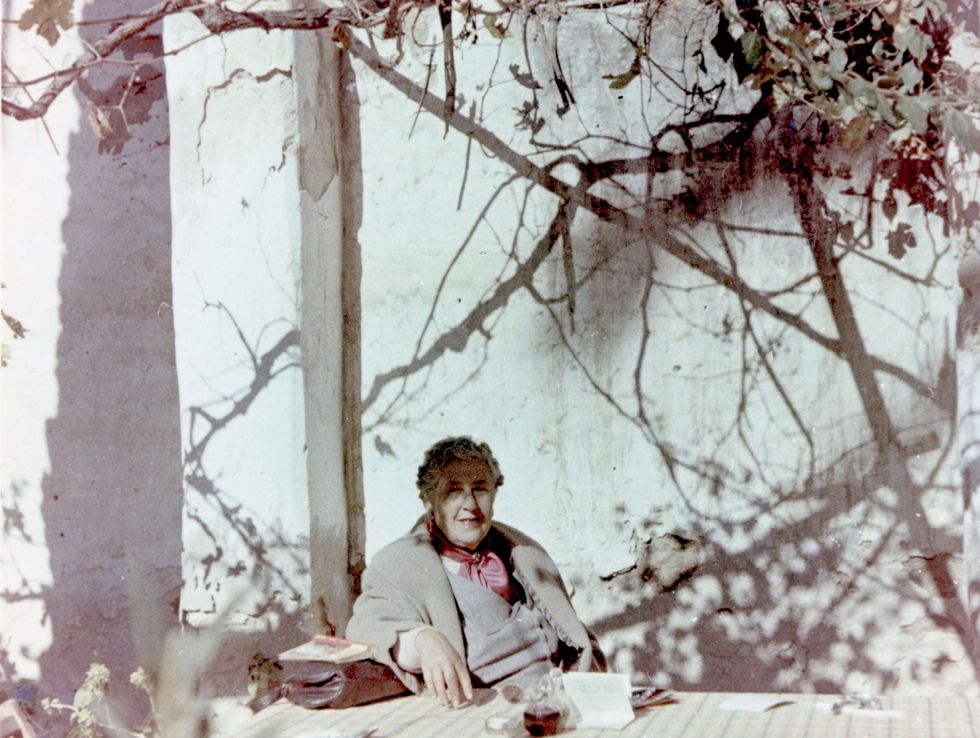 Agatha Christie relaxing during a sightseeing tour, Tajoura, Libya, 1955. Agatha and her second husband, archaeologist Max Mallowan had invited Agatha's daughter Rosalind and grandson Mathew to join them on a tour of the ancient sites of Leptis Magna and Sabratah during December 1955. The Christie Archive Trust
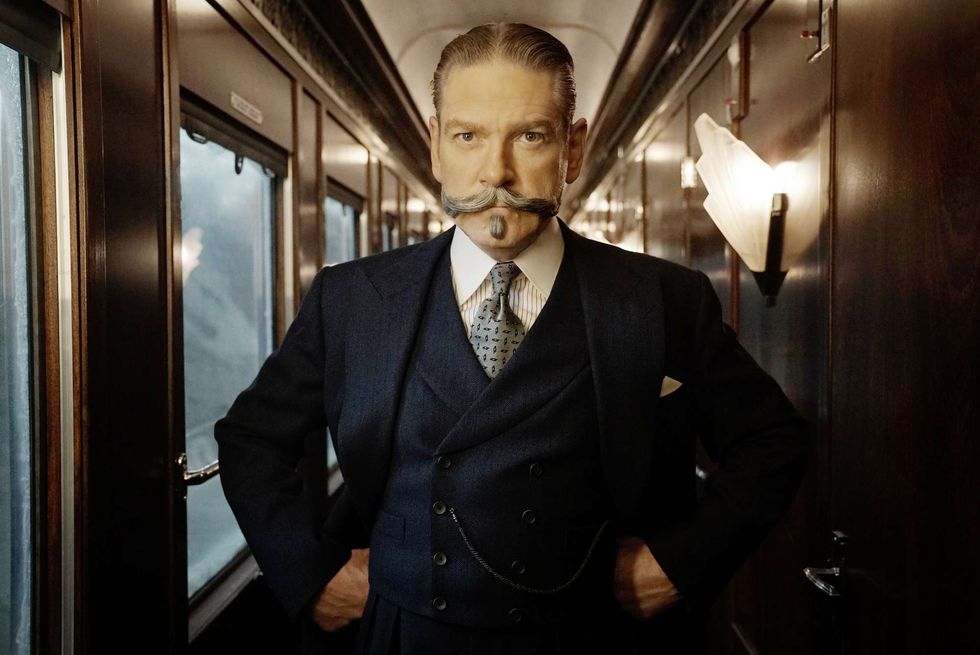 Kenneth Branagh as Hercule Poirot in Murder on the Orient Express, 201720th Century Studios
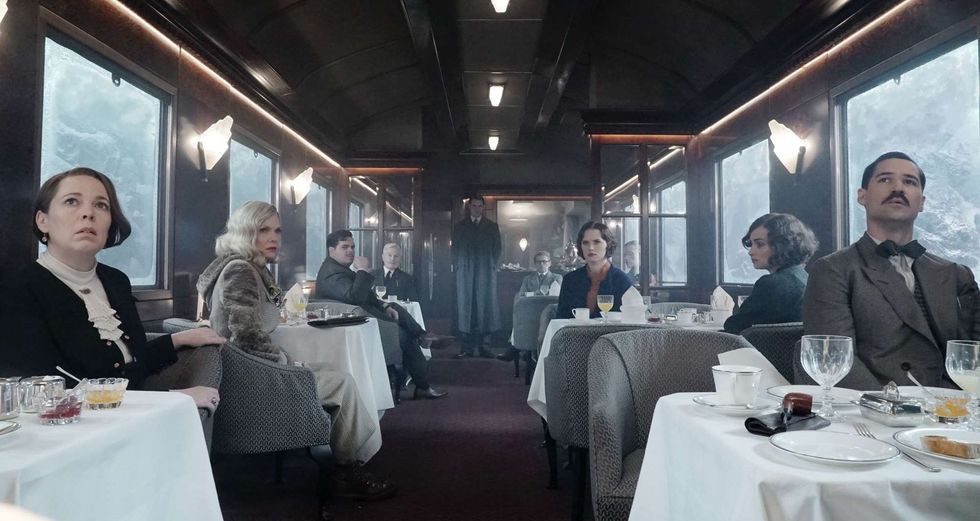 Still from Murder on the Orient Express, 201720th Century Studios
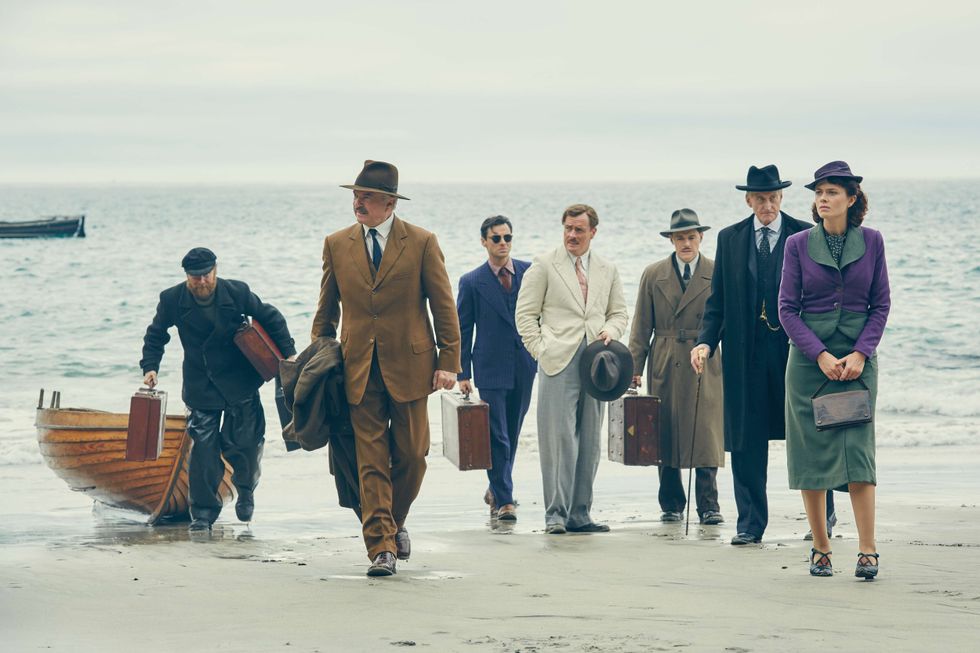 Still from And Then There Were None, 2015, BBC Agatha Christie Limited
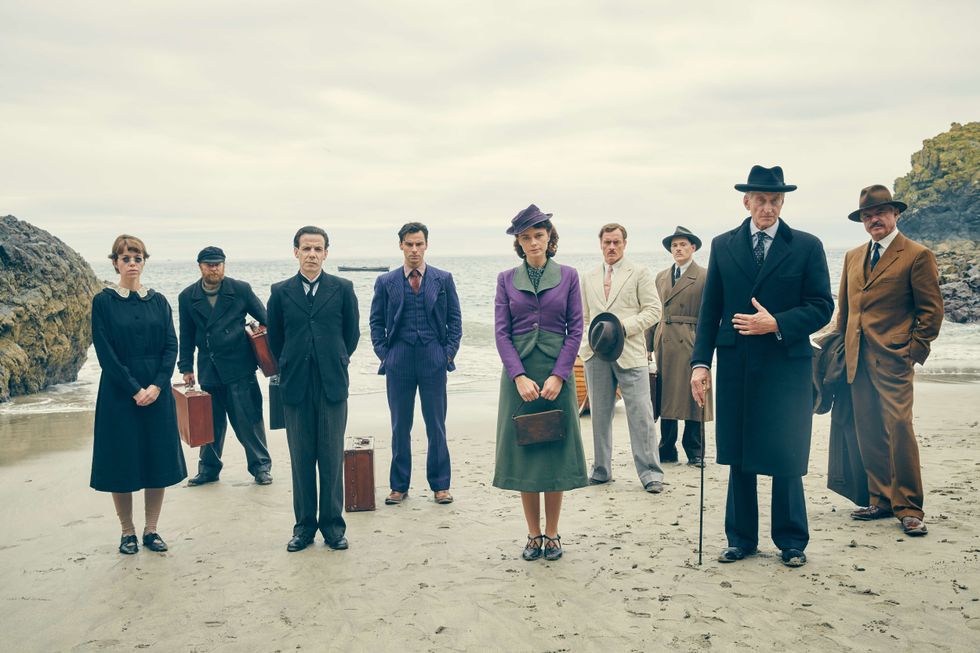 Still from And Then There Were None, 2015, BBCAgatha Christie Limited
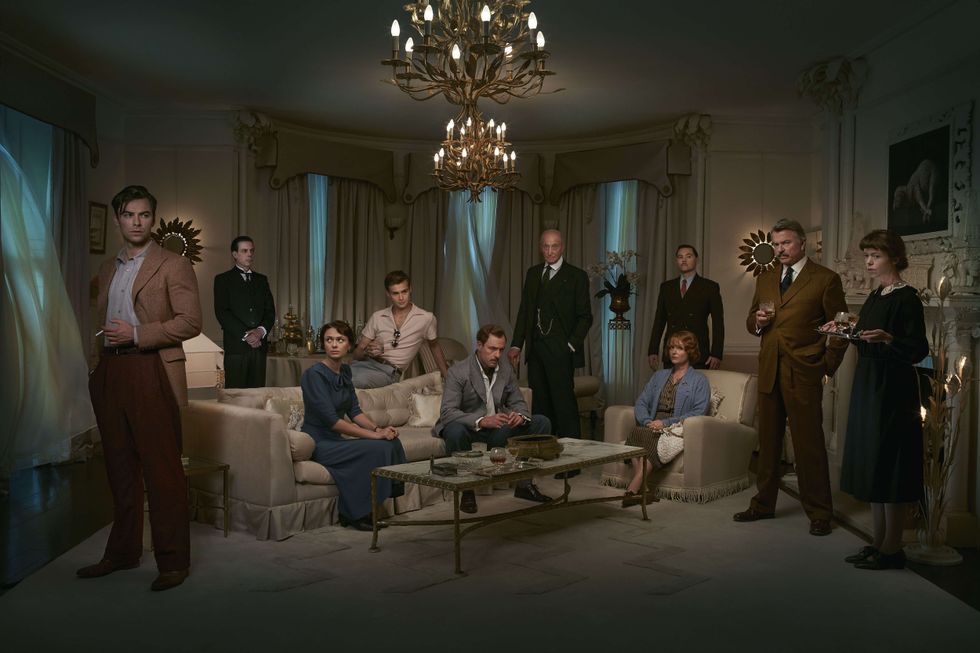 Still from And Then There Were None, 2015, BBCAgatha Christie Limited
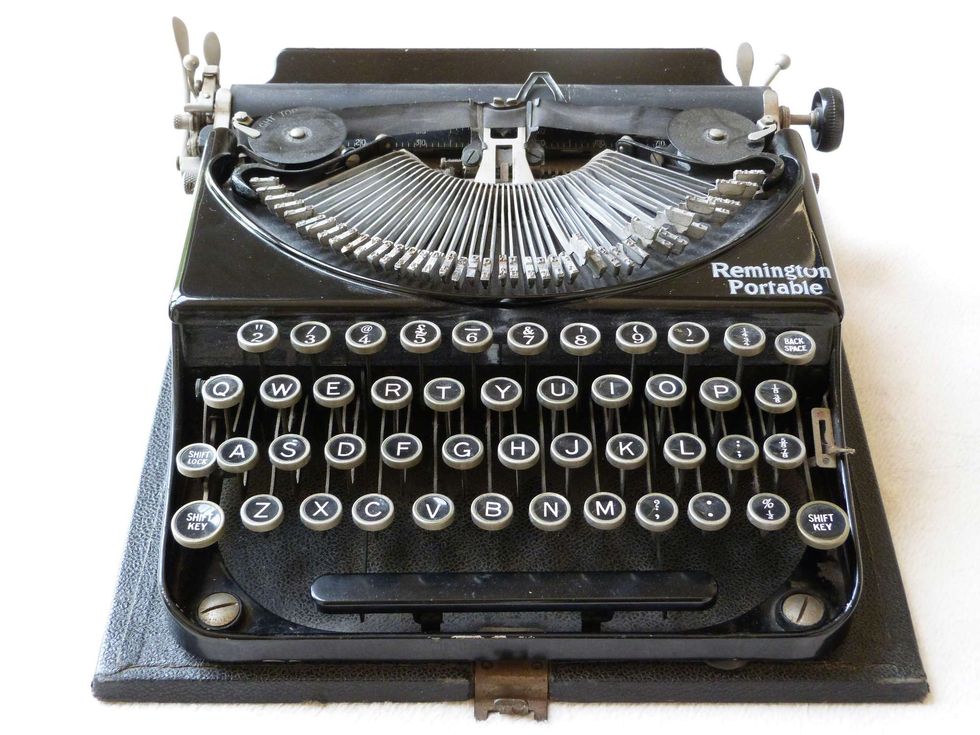 Agatha Christie’s Remington typewriter from 1937 The Christie Archive Trust
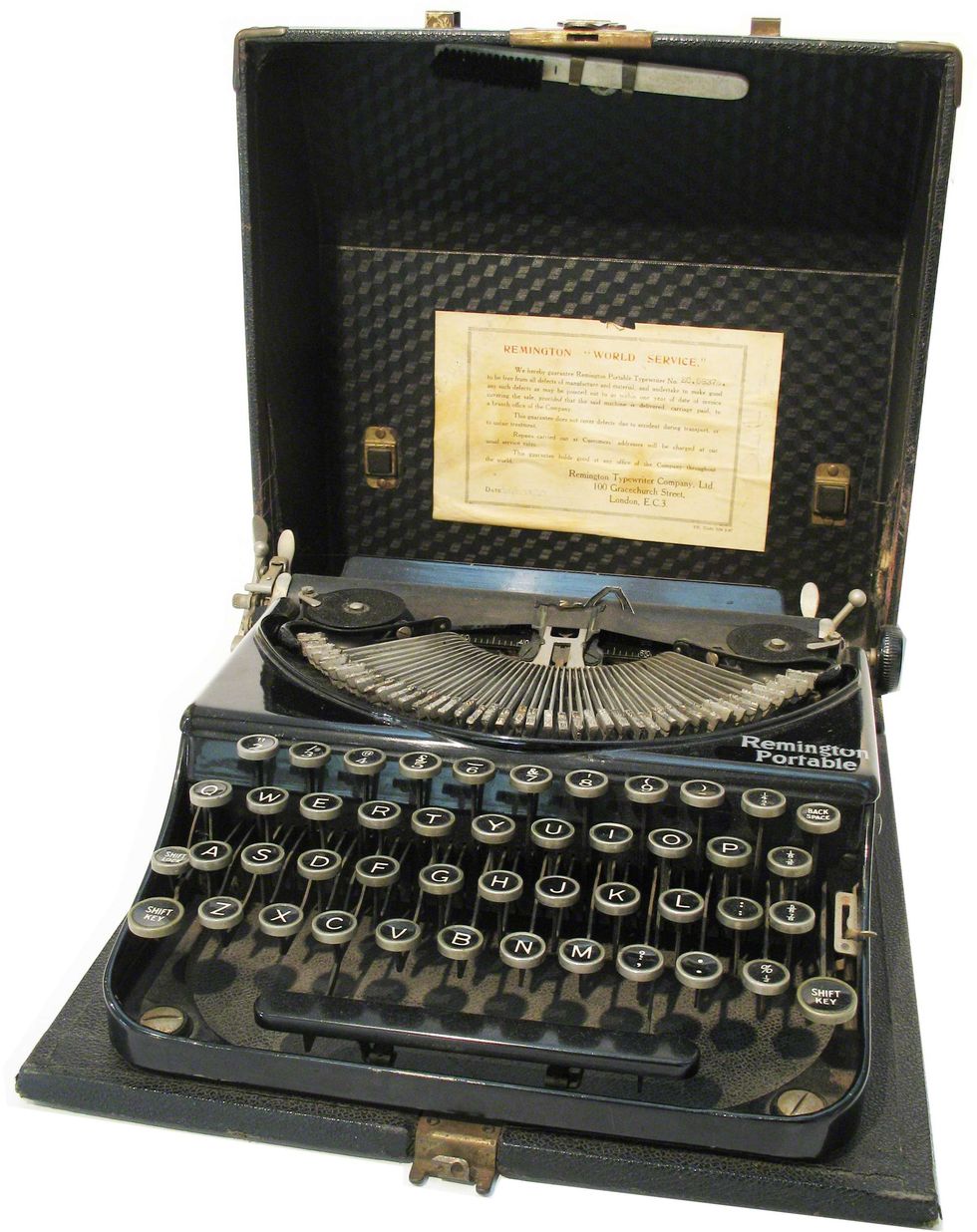 Agatha Christie’s Remington typewriter from 1937The Christie Archive Trust
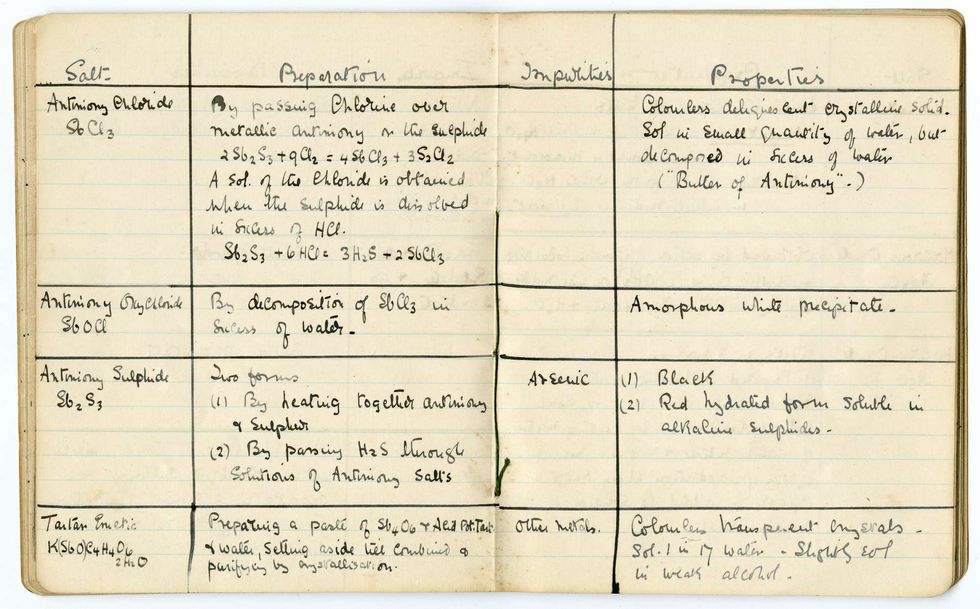 Agatha Christie’s study notes for her pharmaceutical exam taken in 1917The Christie Archive Trust
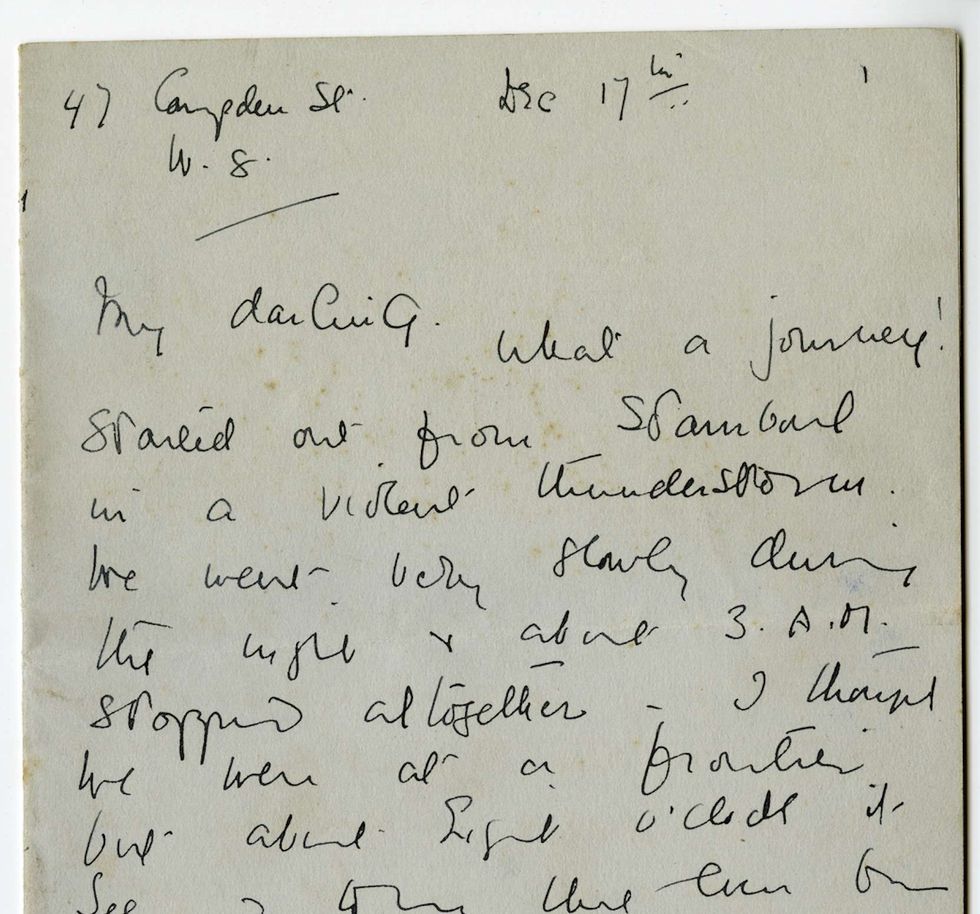 Letter from Agatha Christie to her second husband Max Mallowan, in December 1930. Agatha writes to Max describing her return home from their honeymoon, on the Orient Express. Documenting how the train had been halted by floods and her fellow travellers' reactions, this event would inspire her to write Murder on the Orient Express a few years later.The Christie Archive Trust
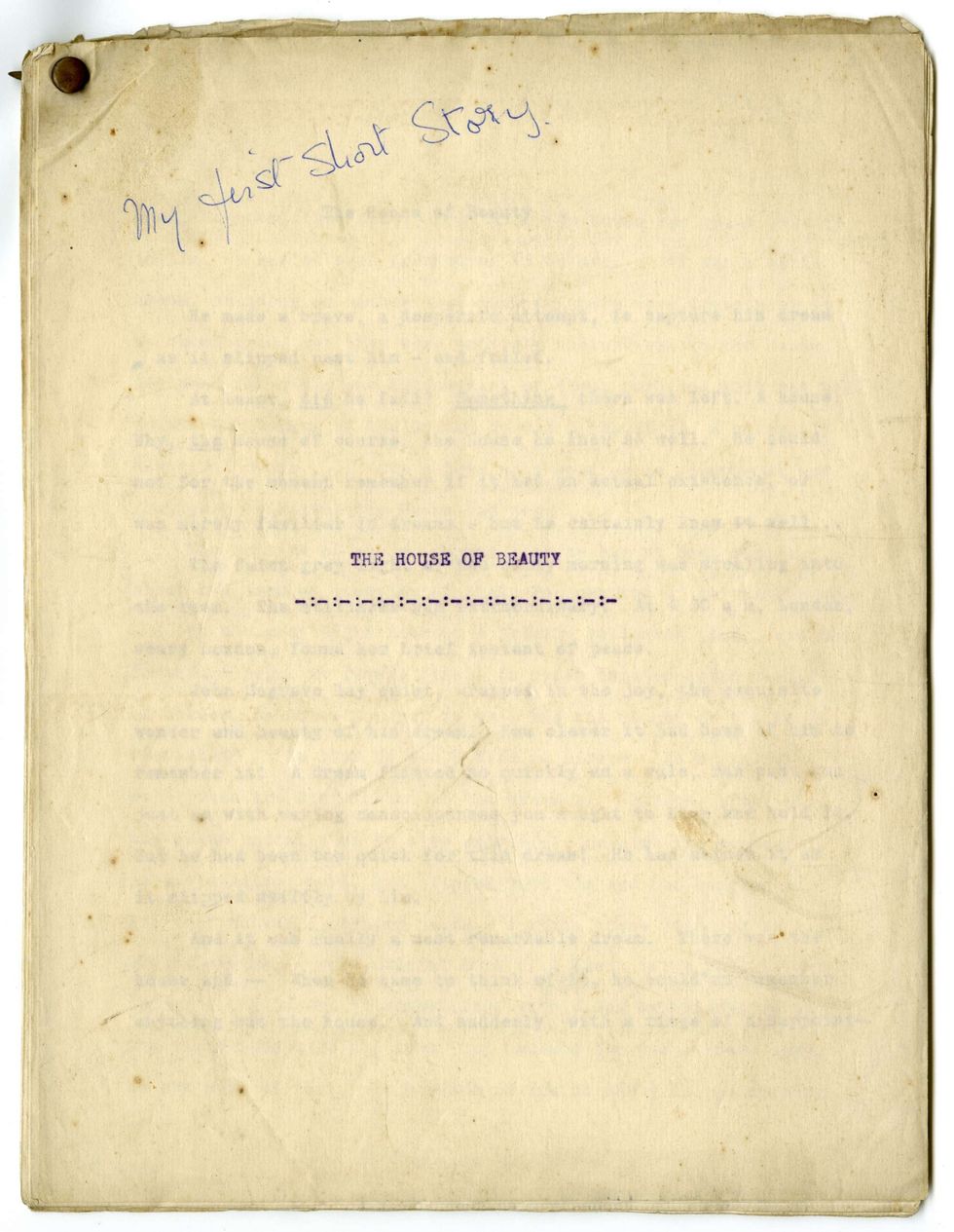 Cover of typescript ofHouse of Beauty, Agatha Christie’s first short story written when she was just a teenager.The Christie Archive Trust
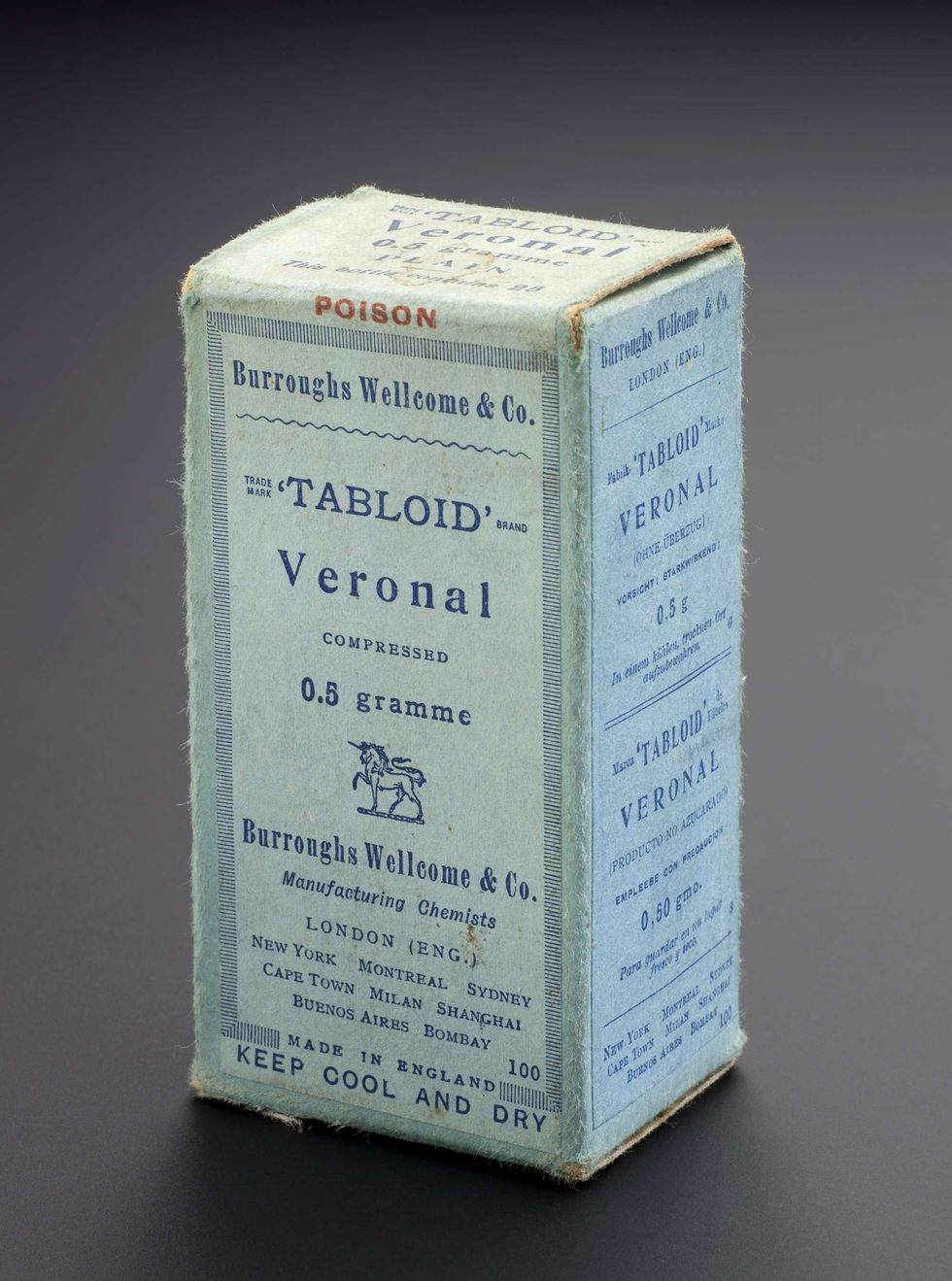 Box for Tabloid Veronal tablets,1910-1940 Science Museum Group
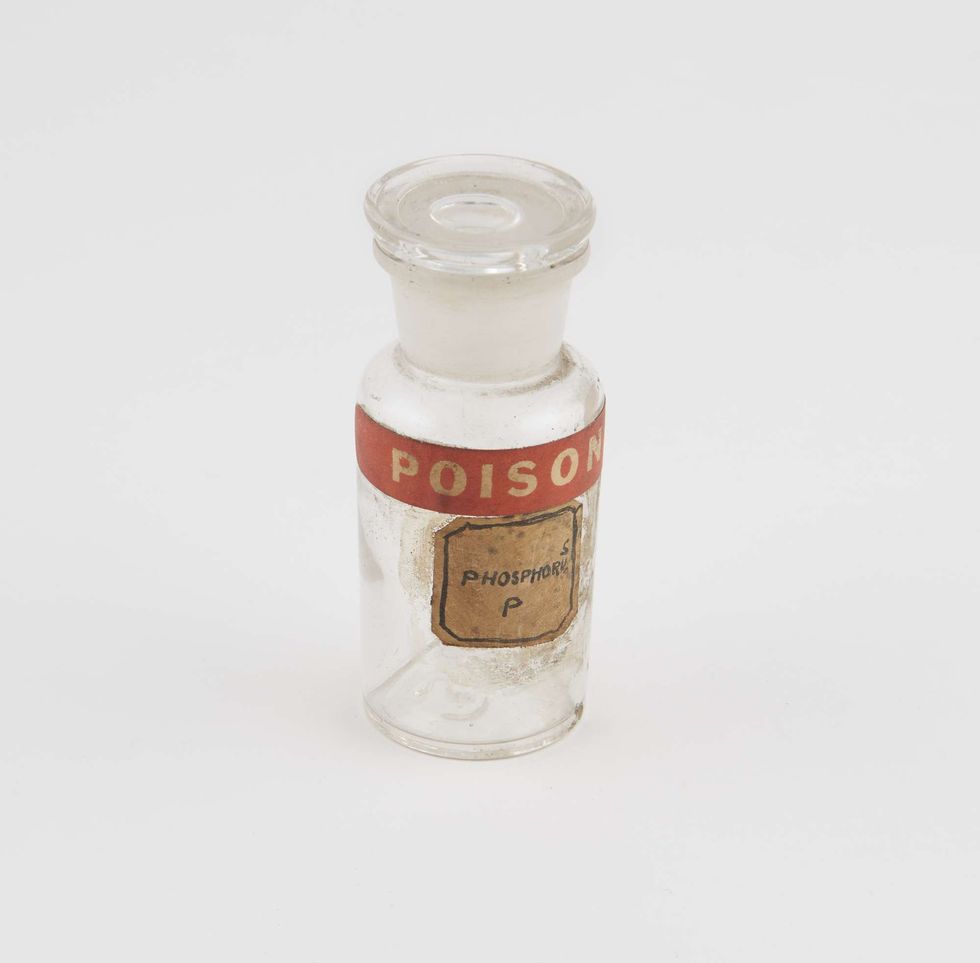 Chemical storage bottle and glass stopper, labelled ‘POISON phosphorus P’,1907-1912Science Museum Group
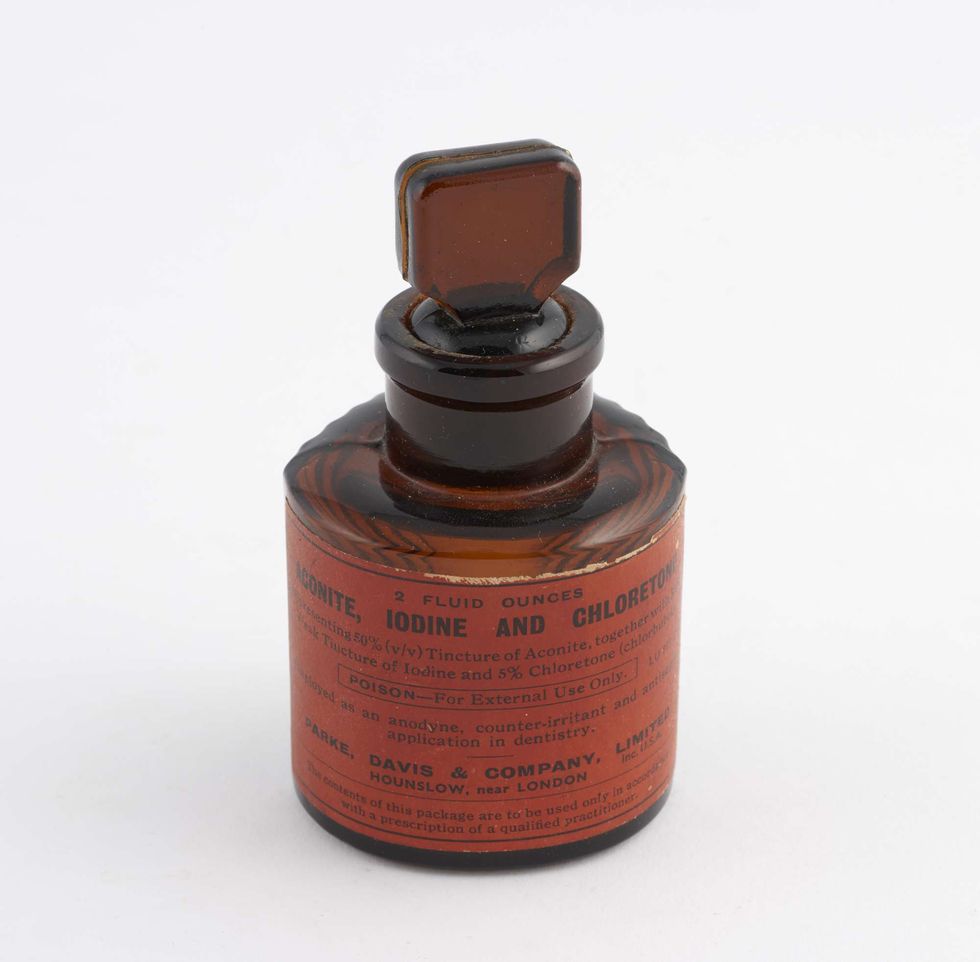 Empty poison bottle for aconite, iodine and chloretone solution,1925-1960Science Museum Group
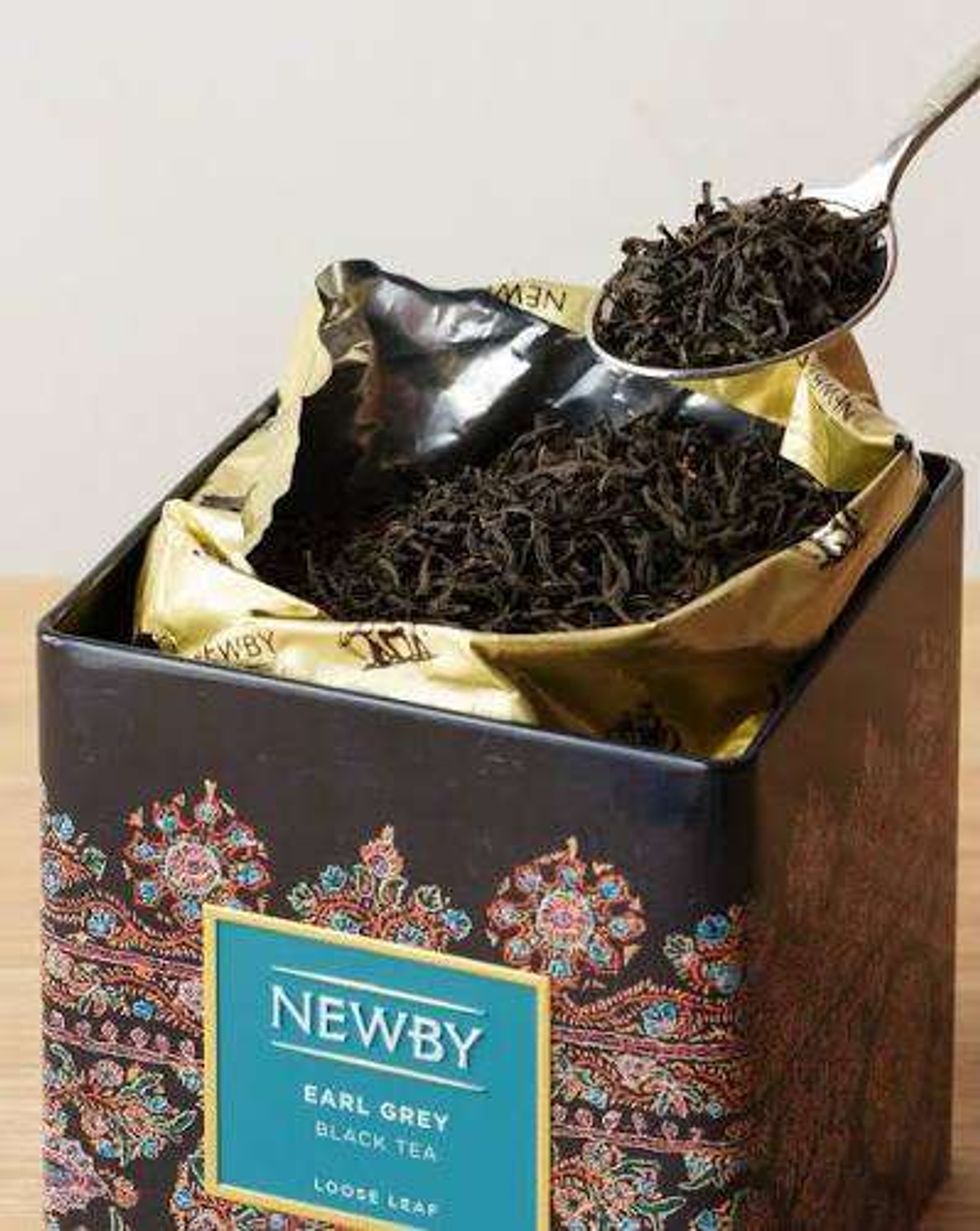 Newby Teas