
- A food trade agreement due in 2028 aims to remove most health certificates and border checks on goods moving between Britain and the EU.
- A new youth scheme will give 100,000 people from each side, aged 18 to 31, the opportunity to live, work and study across the Channel.
- The government estimates the package could add around £17 billion a year to the UK economy by 2040.
Britain is taking another step towards closer relations with the European Union, a decade after the referendum that set it on the path to leaving the bloc.
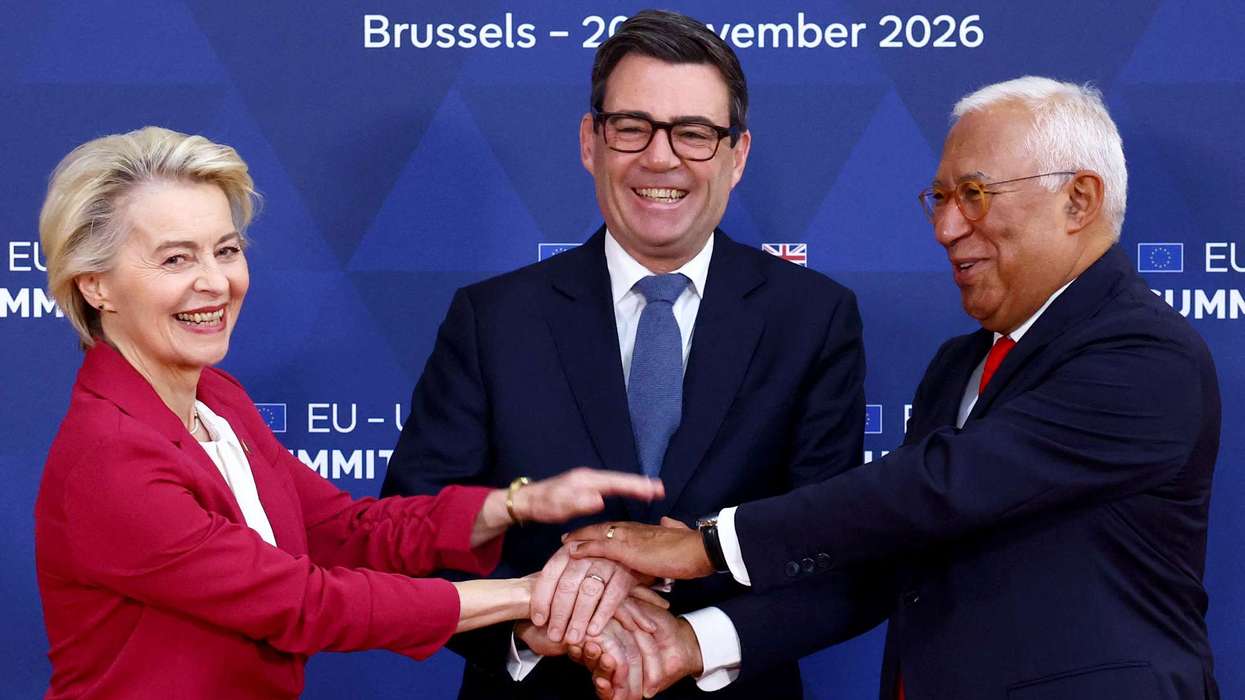
At a summit in Brussels on Friday (20), Prime Minister Andy Burnham and European leaders agreed a package covering food trade, carbon markets, youth mobility and security cooperation. The agreements are intended to reduce some of the practical barriers created by Brexit while giving businesses and younger people greater access to opportunities across Europe.
The government estimates the package could add up to 0.5 per cent to UK gross domestic product by 2040, equivalent to around £17 billion a year. That is a projection rather than an immediate economic gain, and its impact will depend on how the agreements are implemented.
The summit, attended by European Commission president Ursula von der Leyen and European Council president António Costa, marks a further stage in the attempt to rebuild relations after years of strained negotiations.
It also reflects a change in the conversation around Brexit. Rather than focusing only on the UK's ability to make its own rules and trade independently, the government is now placing greater emphasis on reducing barriers with its largest neighbouring market.
What will the new agreements mean for British businesses?
One of the most significant changes concerns food and agricultural trade.
Since leaving the EU, British businesses moving products such as meat, dairy, fish, plants and other agricultural goods across the Channel have faced additional certificates, inspections and paperwork. These requirements have increased costs and made exporting more complicated.
The new Sanitary and Phytosanitary (SPS) agreement will establish a common area for food and plant health rules between Great Britain and the EU. Subject to the necessary procedures, it is due to apply from March 1, 2028.
The agreement is expected to remove most of the health certificates and border checks currently required for products covered by the arrangement. Export Health Certificates, which can cost businesses up to £200 each, will no longer be required for relevant goods. Phytosanitary certificates and certain inspection fees will also be removed.
It could reopen the EU market to British products including fresh sausages, burgers, seed potatoes and molluscs. The arrangements will also make it easier to move food and agricultural products from Great Britain to Northern Ireland, working alongside the Windsor Framework.
The government estimates the food and drink agreement could contribute £5.1 billion a year to the UK economy by 2040. It also argues that lower costs and less waste could ease pressure on food prices, although consumers are unlikely to see an immediate or guaranteed reduction in supermarket bills.
The second major economic agreement concerns carbon emissions.
Britain and the EU have agreed to link their emissions trading systems, with the aim of making the arrangement operational from January 1, 2028. These systems require businesses covered by them to hold allowances for their greenhouse gas emissions, creating a financial incentive to reduce pollution.
Linking the markets would allow the two sides to recognise each other's emissions allowances. It is also expected to exempt eligible British and European goods from their respective carbon border charges.
This matters particularly for industries such as steel and aluminium, where exporters could otherwise face additional costs when selling into the EU. The UK government estimates that around £6.5 billion of British exports could benefit from exemptions and puts the potential annual economic contribution of the agreement at £3.8 billion by 2040.
For businesses, the agreements could make cross-border trade more predictable. However, closer alignment also means Britain will have to follow relevant EU rules in the areas covered by the arrangements, a trade-off that is likely to remain part of the political debate.
Does the deal bring back freedom of movement for young people?
The most visible change for younger Britons is a new Youth Experience Scheme, which will allow people aged 18 to 31 from the UK and EU to live, work, study, volunteer, undertake au-pair placements or travel in each other's territories for up to three years.
The scheme will have an annual limit of 100,000 participants from each side. UK citizens will apply to an individual EU member state and will be able to move between a maximum of three member states during the three-year period.
The arrangement is expected to be available no later than January 2030. It will be visa-based and will not give participants access to benefits or the right to bring dependants.
It is an important change for a generation that has grown up with fewer opportunities to move between Britain and Europe than those available before Brexit. But it is not a return to unrestricted freedom of movement. Access will be subject to the scheme's age limits, annual caps and conditions.
The summit also confirmed that the UK will participate in the Erasmus+ programme in 2027, reopening opportunities for students, educational institutions and young people to take part in exchanges across Europe.
The two sides have also agreed to negotiate a separate arrangement on university tuition fees, with the aim of concluding discussions within six months. The agreement is intended to increase opportunities for British students in the EU and European students in the UK.
Beyond trade and mobility, the summit covered closer cooperation on migration, law enforcement, security and defence. Britain and the EU agreed to strengthen information-sharing and joint action against people-smuggling networks and dangerous Channel crossings. They also committed to closer coordination on support for Ukraine, cyber threats and maritime security.
The agreements do not mean Britain is rejoining the EU, its single market or customs union. Instead, they represent a more selective approach: closer cooperation in areas where both sides see practical economic or strategic benefits, while the UK remains outside the bloc.
For businesses, the immediate question will be how quickly the new arrangements reduce the costs and complications of trading with Europe. For younger people, the focus will be on when the mobility scheme becomes accessible and how its limits work in practice.
Ten years after the Brexit vote, Britain's relationship with Europe is changing again. The direction is towards closer cooperation, but the extent of the benefits will depend on what happens after the agreements are signed.