1. Anna Karenina
Anna Karenina is a novel by the Russian writer Leo Tolstoy, published in serial instalments from 1873 to 1877 in the periodical The Russian Messenger. This novel is widely regarded as a pinnacle in realist fiction, Tolstoy considered Anna Karenina his first true novel, after he came to consider War and Peace to be more than a novel. The story tells about titular Anna, who runs off with her young lover, and a love-struck landowner named Konstantin Levin.
2. To Kill a Mockingbird
To Kill a Mockingbird is a novel by Harper Lee published in 1960. It was immediately successful, winning the Pulitzer Prize, and has become a classic of modern American literature. The plot and characters are loosely based on Lee's observations of her family, her neighbours and an event that occurred near her hometown of Monroeville, Alabama, in 1936, when she was 10 years old.
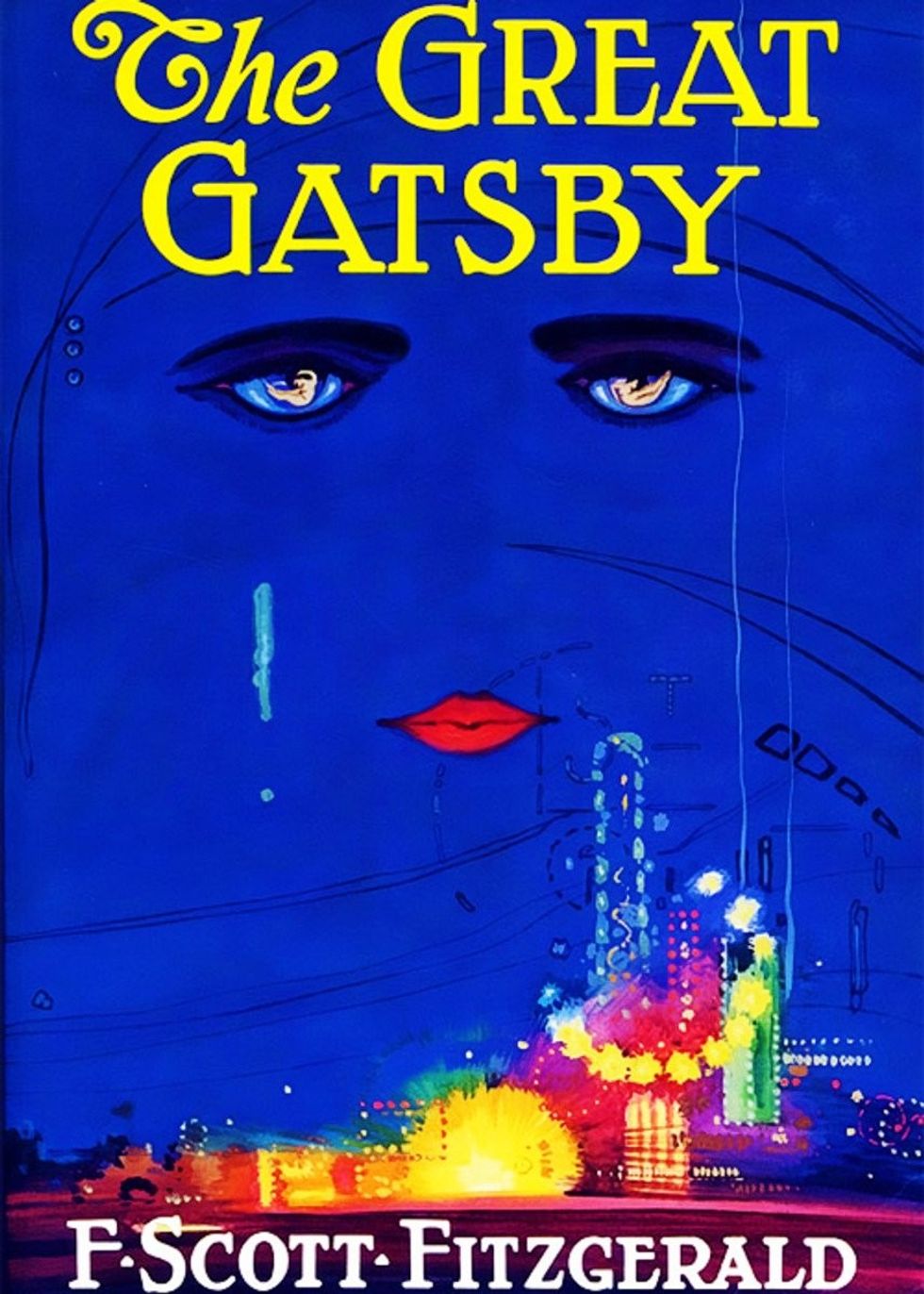
3. The Great Gatsby
The Great Gatsby is a 1925 novel written by American author F. Scott Fitzgerald that follows a cast of characters living in the fictional town of West and East Egg on prosperous Long Island in the summer of 1922. The story primarily concerns the young and mysterious millionaire Jay Gatsby and his quixotic passion and obsession for the beautiful former debutante Daisy Buchanan. The novel is told from the perspective of a young man named Nick Carraway
4. A Passage to India
A Passage to India is a novel by English author E. M. Forster set against the backdrop of the British Raj and the Indian independence movement in the 1920s. It was selected as one of the 100 great works of 20th century English literature by the Modern Library. The story revolves around four characters: Dr Aziz, his British friend Mr Cyril Fielding, Mrs Moore, and Miss Adela Quested.
5. Beloved
Beloved is a 1987 novel by the American writer Toni Morrison. Set after the American Civil War (1861–65), it is inspired by the story of an African-American slave, Margaret Garner, who escaped slavery in Kentucky late January 1856 by fleeing to Ohio, a free state. The novel won the Pulitzer Prize for Fiction in 1988 and was a finalist for the 1987 National Book Award. It was adapted during 1998 into a movie of the same name starring Oprah Winfrey.