

Highlights
- Award-winning British Asian drama Never Had A Chance screens at Kingston International Film Festival on 5 June
- The film is set across Hounslow, Heathrow, Southall and wider West London
- Starring Amar Chaggar, it explores identity, friendship and survival within a Punjabi community
- The project has already featured at several UK and international film festivals ahead of a wider cinema rollout
A West London story moves beyond its own streets
Independent films often speak about authenticity, but Never Had A Chance appears determined to stay rooted in the places and communities that shaped it. Set across areas including Hounslow, Heathrow and Southall, the British Asian drama is preparing for its next festival stop at the Kingston International Film Festival on 5 June before moving towards a broader UK cinema release.
Directed and produced by Jazz Bhalla of Reelistic Dreams, with producers Vikrant Chopra, Ben Pengilly and Rajinder Kochar also attached, the film has steadily built momentum through festival screenings in the UK and abroad.
Following appearances at the UK Asian Film Festival, London Independent Film Festival, British and Irish Film Festival Luxembourg and Northampton Film Festival, the project continues its journey through spaces that celebrate independent voices and emerging stories.
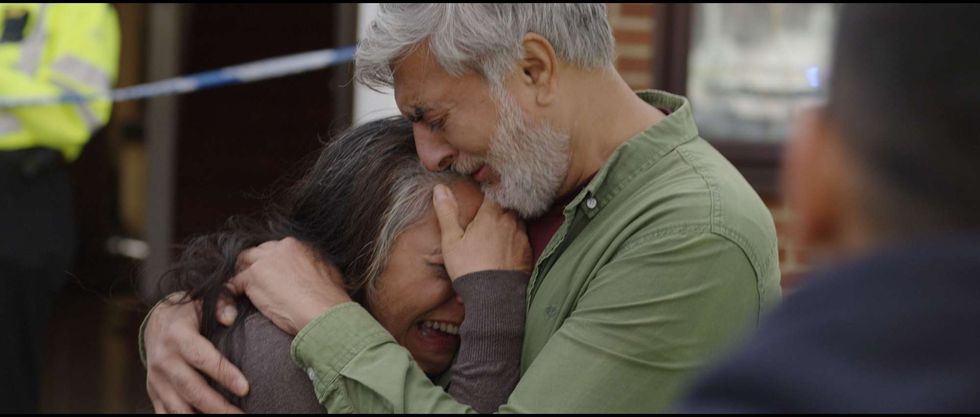 Never Had A Chance appears determined to stay rooted in the places and communities that shaped itNHAC
Identity, friendship and difficult choices sit at its centre
Starring Amar Chaggar, Never Had A Chance follows Ravi, a young man trying to move beyond his past while searching for stability and a different future. However, as opportunities begin to emerge, relationships around him threaten to pull him back towards old patterns and difficult choices.
Set within West London’s Punjabi community, the film focuses on themes of identity, survival and belonging. Rather than presenting a polished version of city life, it aims to explore experiences shaped by environment, pressure and personal circumstances.
Director Jazz Bhalla said the story reflects situations and emotions that may feel familiar to many young people growing up in West London. He added that the film looks at pressure, identity and the struggle to move towards something better despite difficult surroundings.
 The story reflects situations and emotions that may feel familiar to many young people growing up NHAC
Music and place become part of the storytelling
Beyond its narrative, Never Had A Chance also leans heavily into the sounds associated with its setting. Its soundtrack draws inspiration from British Asian music culture and West London dub influences, helping shape the atmosphere around the story and its environment.
The Kingston International Film Festival screening follows the film’s earlier debut at London’s Kiln Cinema during the UK Asian Film Festival, where it received an enthusiastic response.
With a wider cinema release still to come, Never Had A Chance is positioning itself not only as another independent drama, but as a film closely tied to the culture and communities from which it emerged.


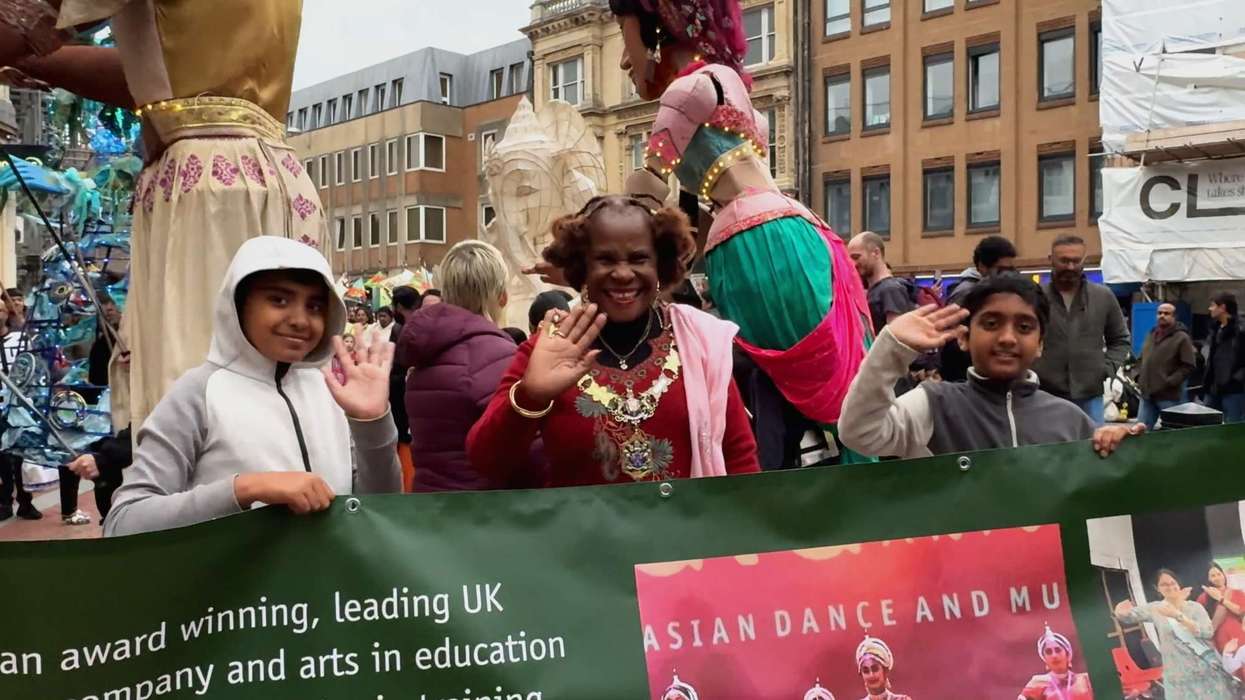
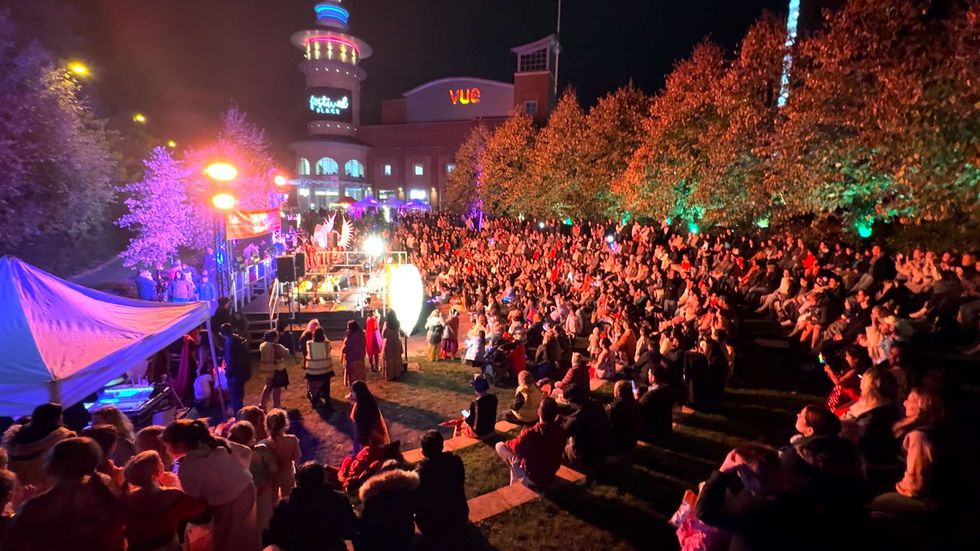 Basingstoke’s parade will depart from the Willis MuseumKala the Arts