
- Around 14.1 million motorists are expected to travel across the UK between Friday and Sunday.
- Saturday is forecast to be the busiest day, with 3.8 million journeys planned.
- Higher fuel prices and growing demand for UK staycations are expected to add to travel pressures.
Britain is preparing for its busiest summer getaway in four years, with an estimated 14.1 million motorists expected to take to the roads as schools across England and Wales break up for the holidays.
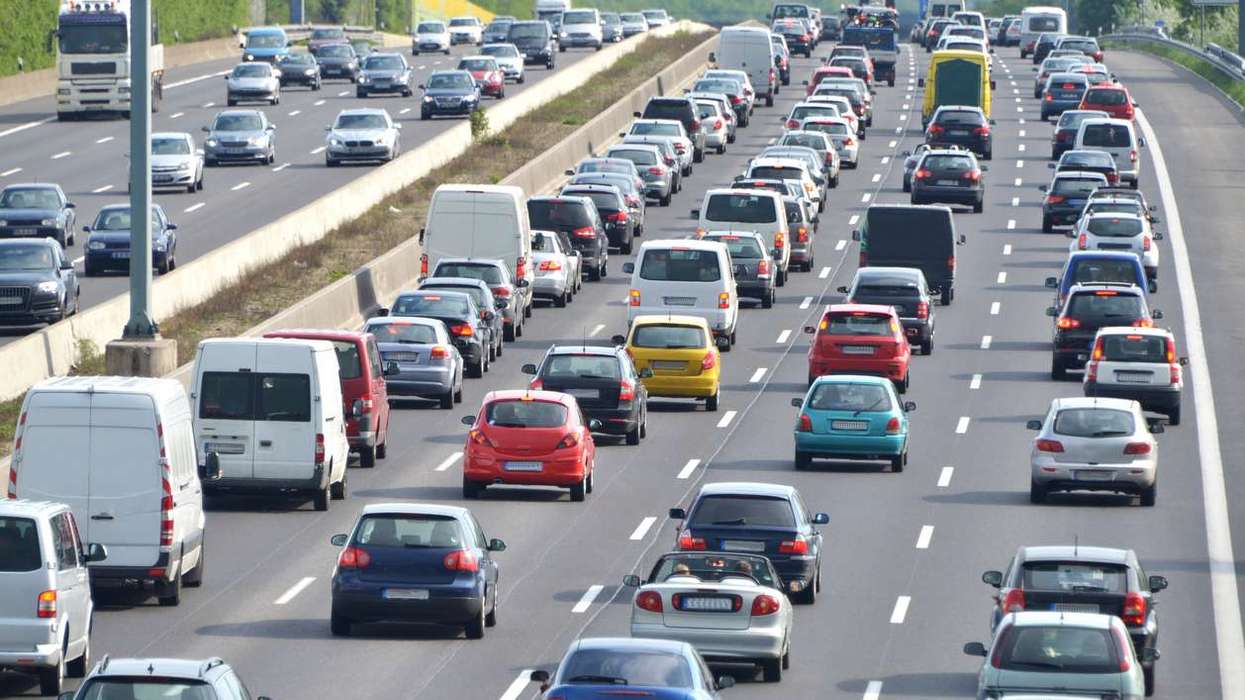
The UK summer getaway is expected to bring heavy congestion across the country between Friday and Sunday, with the RAC predicting 3.8 million journeys on Saturday alone. Another 3.4 million trips are expected on both Friday and Sunday, while an additional 6.8 million journeys could be made over the weekend by drivers who have yet to decide when to travel.
The combination of school holidays, warm weather and growing interest in UK staycations is expected to make this one of the busiest weekends on the roads in recent years.
Traffic, fuel bills and holiday delays
The RAC expects the heaviest traffic to build across south-west and north-west England. According to transport analytics company Inrix, some of the worst congestion is likely on the M1 southbound between Northampton and Watford, along with both directions of the M25 around the M4, Watford and M3 junctions.
Harriet Hernando, an RAC spokesperson, reportedly advised motorists to avoid peak travel times where possible and prepare for delays in hot weather by carrying drinking water, suncream and shade.
Holiday travel is also becoming more expensive. Filling a 55-litre petrol car now costs around £8.90 more than it did a year ago, while diesel drivers are paying approximately £21.20 extra for a full tank.
Many families are also choosing UK breaks over overseas holidays this summer. According to the RAC, concerns over flight disruptions, delays at EU borders and tighter household budgets following global events, including the Iran conflict, are influencing travel decisions.
More pressure beyond the roads
Travellers heading to Europe may also face longer waiting times because of the European Union's Entry/Exit System (EES), introduced in April.
The system requires non-EU travellers, including UK citizens, to register fingerprints and facial photographs before entering the Schengen Area. Checks are carried out at locations including the Port of Dover, Eurotunnel's Folkestone terminal and London St Pancras.
The travel industry has called on the EU to suspend the system until September, warning it could lead to longer queues during the peak holiday season. However, that request has so far been rejected.
For motorists staying closer to home, traffic experts expect careful planning to be just as important as choosing the holiday destination.