
- Airbus expects India's air travel demand to grow sixfold by 2045.
- Rising migration and family visits are emerging as major drivers of international flights.
- The aircraft maker forecasts demand for more than 42,000 new planes over the next 20 years.
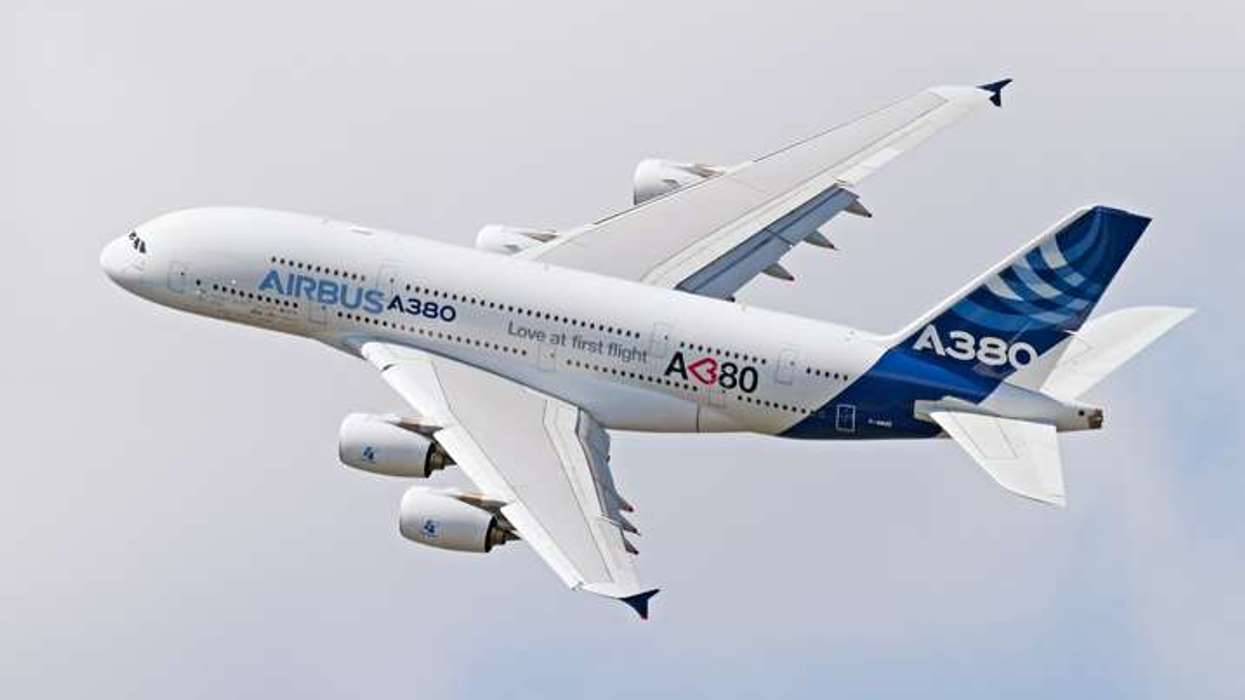
India's aviation sector is expected to become one of the world's biggest drivers of global air travel growth, with demand for flights projected to increase sixfold by 2045, according to Airbus' latest Global Market Forecast. The aircraft manufacturer says rising incomes, a growing middle class and stronger links between Indian families living abroad are transforming how and why people travel.
The report identifies India as one of the fastest-growing aviation markets globally, with the country's expanding diaspora and improving purchasing power expected to fuel a sharp rise in international travel. Airbus says "visiting friends and relatives" (VFR) has become an increasingly important reason for flying, particularly as more migrants settle overseas while maintaining close ties with families back home.
More families, more flights
According to Airbus, more than 300 million people now live outside their country of birth worldwide, an increase of around 70 per cent since the start of the century. In Europe alone, 108 million residents in 2024 were born outside the continent, up 60 per cent compared with 2000.
Antonio da Costa, Airbus' Head of Market Analysis, reportedly said migration has become a much stronger driver of air travel than in the past. As migrant communities become more financially secure, many families are able to travel home several times a year, while their children continue those travel patterns across generations.
The company also points to a global middle and upper class that has expanded from 2.5 billion people two decades ago to 4.5 billion today. That figure is expected to exceed 6 billion by 2045, creating millions of new passengers, particularly in emerging economies such as India, China, Vietnam, Indonesia and Malaysia.
Airbus forecasts that global passenger traffic will grow by 3.9 per cent annually, reaching around 10 billion passengers a year by 2045.
Aviation map set for a major shift
The report suggests future aviation growth will increasingly come from smaller and medium-sized cities rather than traditional global hubs. Improvements in aircraft efficiency are making direct routes between cities commercially viable, reducing dependence on major connecting airports.
To meet expected demand, Airbus estimates the aviation industry will require 42,060 new aircraft over the next two decades. Around 22,240 will support market growth, while 19,820 will replace older aircraft. More than 80 per cent of new deliveries are expected to be single-aisle aircraft, reflecting demand for short and medium-haul routes.
The manufacturer also expects the newest generation of fuel-efficient aircraft to account for almost the entire global fleet by 2045, replacing older, less efficient models.
According to Airbus, while short-term disruptions such as regional conflicts and higher fuel prices may affect the industry, long-term demand is expected to remain supported by economic growth, urbanisation and the increasing ability of millions of people, particularly in India, to travel more frequently.