
- Online video platform pulls ahead on total audience reach
- Smart TVs reshape how people watch entertainment
- BBC says longer viewing still favours traditional TV
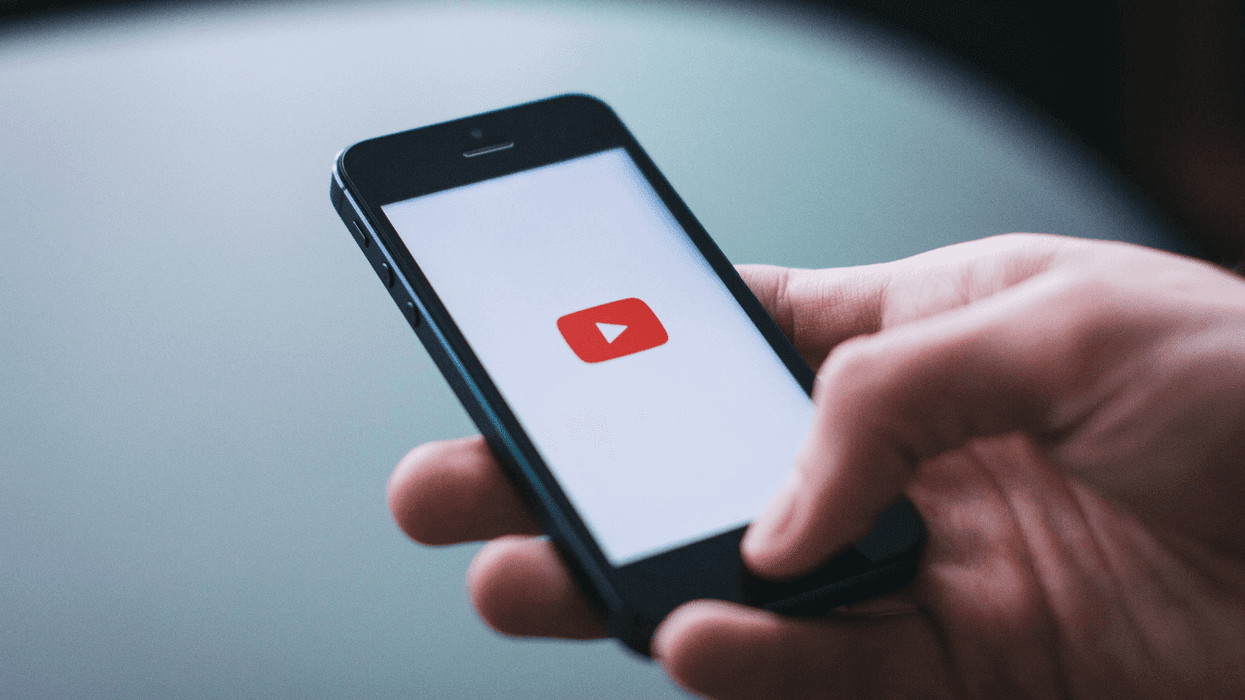
A platform that began with a shaky home video at a zoo has reached a major milestone in Britain. YouTube has overtaken the BBC in UK viewing figures for the first time, according to the latest industry data.
Figures from ratings agency Barb show that YouTube now attracts a bigger audience than all BBC channels combined. In December, the BBC reached 50.8 million viewers, while almost 52 million people watched YouTube across televisions, smartphones and laptops.
The shift marks the first time the national broadcaster’s near-century dominance of UK viewing has been overtaken by a digital platform.
Zoo clip to living rooms
YouTube was founded in 2005 after Jawed Karim uploaded a 19-second video titled Me at the Zoo on February 14. Two decades later, the Google-owned platform has become a daily destination for entertainment, news and long-form content.
Media commentators say the rise of smart TVs has played a key role. Scott Bryan, a TV critic and broadcaster, reportedly said that YouTube and television were once “very separate entities”, but smart TVs now allow viewers to switch on their television and go straight to YouTube. That shift, he suggested, has allowed “an outside player” to gain dominance very quickly.
The trend has been building for some time. An Ofcom survey in July last year found that YouTube had already overtaken ITV to become the UK’s second most-watched home service, behind the BBC.
Pressure, perspective and the BBC response
YouTube’s growth is not just driven by viral clips. Longer videos, podcasts and interview shows now sit alongside short-form content, while large-scale productions by creators and strong children’s programming have widened its appeal.
Traditional broadcasters are also facing competition from US streaming services such as Netflix, but industry executives often point to YouTube as the main rival because of its sheer scale and reach.
Not everyone sees the figures as a clear defeat for the BBC. Phil Harrison, a TV critic, reportedly noted that the BBC itself uploads large amounts of content to YouTube, raising questions about how the numbers might look if that content was removed.
The BBC has also pushed back on how viewing is measured. Barb’s data is based on a three-minute audience reach, which the broadcaster says favours short-form video. Using a 15-minute measure, which it argues better reflects engaged viewing, the BBC says it still leads, with an average monthly reach of 47 million last year compared with YouTube’s 40.8 million.
A BBC spokesperson reportedly said that UK audiences watched 351 million hours of BBC TV each week in 2025, “far ahead of anyone else”, adding that by its preferred measure, the BBC “continues to lead the way."
Still, the broadcaster has acknowledged the changing landscape. Kate Phillips, director of content, has said the BBC is now committed to making YouTube-specific content, following warnings from Ofcom that public service broadcasters risk losing younger audiences if they fail to adapt.
As YouTube cements its place in UK living rooms, the broader question remains how the BBC balances its public service role with the realities of an increasingly crowded and digital-first entertainment market.