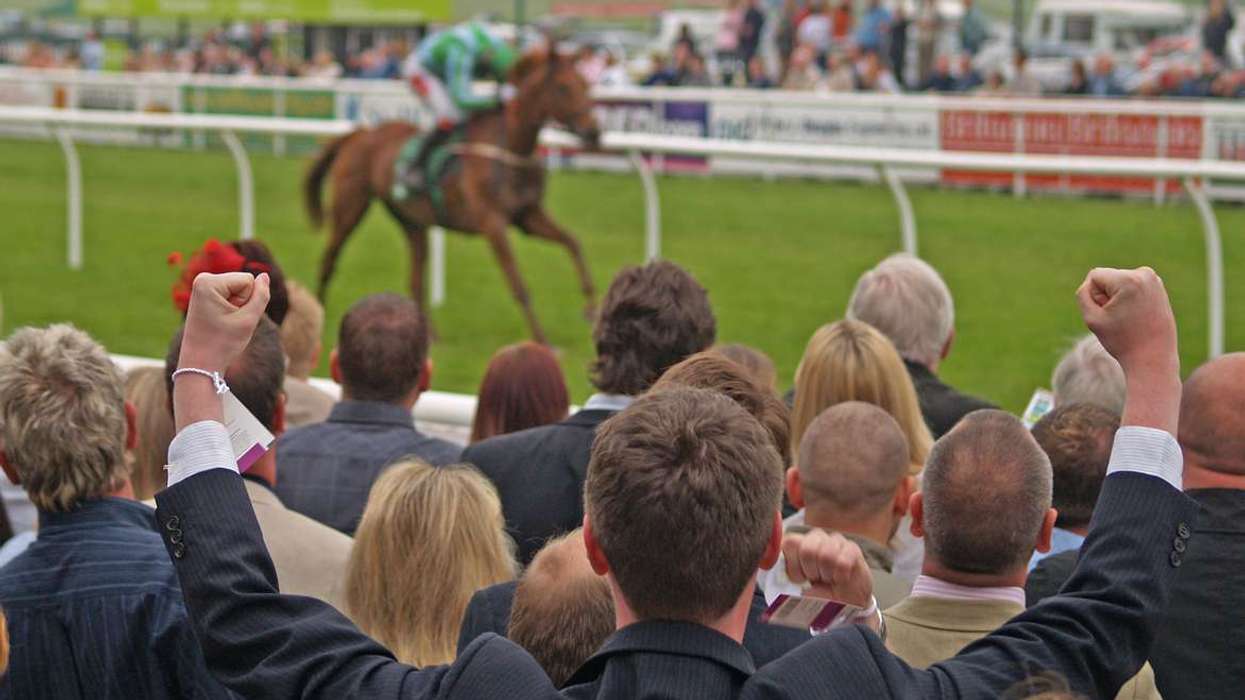

Horse racing in Australia runs across nearly 400 racecourses spread from the major cities all the way out to regional towns. Not all of those tracks are created equal, though, and the difference between metropolitan and country racing goes well beyond just location. Understanding how the levels work makes following the sport much more enjoyable, and it helps explain why certain races carry so much more weight than others.
How Australian racing is structured
Racing in Australia is split into three broad categories: metropolitan, provincial, and country. Metropolitan tracks are the big-city venues, the ones that host the major carnivals, Group 1 races, and the biggest prize money.
Provincial tracks sit just outside major cities and tend to host mid-tier racing, including some provincial cup races with Group or Listed status. Country meetings fill out the rest of the calendar, running at smaller regional tracks across every state.
The quality of the horses, the prize money on offer, and the prestige of the races all tend to reflect which tier a meeting falls into. A horse winning a country maiden race and a horse winning a Group 1 at Flemington are operating in very different worlds.
What makes metropolitan racing different
Metropolitan tracks are where the best horses, jockeys, and trainers come together. Venues like Flemington, Caulfield, Moonee Valley, and Randwick are the cathedrals of Australian racing, hosting events that attract attention from around the country and often internationally. The prize money at the metropolitan level is significantly higher, the fields are more competitive, and the racing gets far more media coverage.
Flemington is the largest racecourse in the country and is home to the Melbourne Cup, which remains the race that stops the nation every November. It also features a unique 1200-metre straight, known as the straight six, which allows sprint races to be run in a straight line without any bends. It is one of the most distinctive features of any racecourse in Australia.
Group 1 races are the pinnacle of the metropolitan program. These events offer the most prize money, attract the strongest fields, and produce results that shape a horse's breeding value and legacy. Below them sit Group 2 and Group 3 races, then listed races, and then the open handicaps and benchmark races that make up the bulk of a metropolitan Saturday card.
What country racing looks like
Country racing operates at a different pace and with a different feel. The tracks are smaller, the fields are generally less competitive, and the prize money is lower. But country racing plays an important role in the sport's overall ecosystem.
It gives younger horses race experience in a less pressured environment, provides pathways for horses that are not quite up to metropolitan standards, and keeps racing alive in regional communities with deep connections to the sport.
Country meetings are also where many interesting form stories begin. A horse that dominates a country maiden race and then steps up through the grades is one of the more enjoyable narratives in Australian racing. Spotting those horses early is something punters and trainers alike pay close attention to.
One practical difference worth knowing is that country meetings are generally not covered by off-course bookmakers or the TAB in the same way metropolitan and provincial races are, though this varies depending on the meeting and the state.
Provincial racing sits in the middle
Provincial racing bridges the gap between country and metropolitan. These tracks are usually located within a couple of hours of a major city and attract horses that are either stepping up from country level or dropping back from metropolitan competition. Provincial cups in particular can carry Group or Listed status, which means they attract genuine quality and offer meaningful prize money.
For a horse working its way up through the grades, a strong provincial performance is often the signal that it is ready to take on metropolitan competition. Trainers frequently use provincial meetings to get horses fit and race-ready before pointing them at the bigger races.
Metropolitan versus country form and how it affects betting
Understanding the difference between metropolitan and country form is one of the more useful tools available to anyone who bets on racing. Using tools like Neds' racing stats and form guide makes it straightforward to compare a horse's record across different race grades and track types, which gives a much clearer picture before committing to a bet.
A horse with a strong country record stepping up to metropolitan company for the first time is a very different proposition from a metropolitan performer dropping back to a country meeting.
Final thoughts
Metropolitan and country racing are two ends of a broad spectrum, with provincial racing sitting comfortably in between. Each level serves a purpose in the overall structure of the sport, and understanding how they relate to one another makes following racing much more
interesting. Whether it is the pageantry of a Group 1 carnival or a country cup in a regional town, Australian racing has something happening almost every day of the week.






 Liverpool Legends' midfielder Steven Gerrard controls the ball during the Legends football match between Liverpool Legends and Dortmund Legends at Anfield in Liverpool, north-west England on March 28, 2026. Getty Images
 Richard Masters, Chief Executive Officer of the Premier League speaks during a Premier League Hall of Fame event on May 03, 2023 in London, England. Getty Images