
Skip to content
Search

Latest Stories

Vedanta to split into five listed companies next month: Report

After the demerger, the company will continue as Vedanta Limited, which will hold its base metals business. Vedanta Aluminium, Talwandi Sabo Power, Vedanta Steel and Iron, and Malco Energy will operate as separate entities.

Vedanta

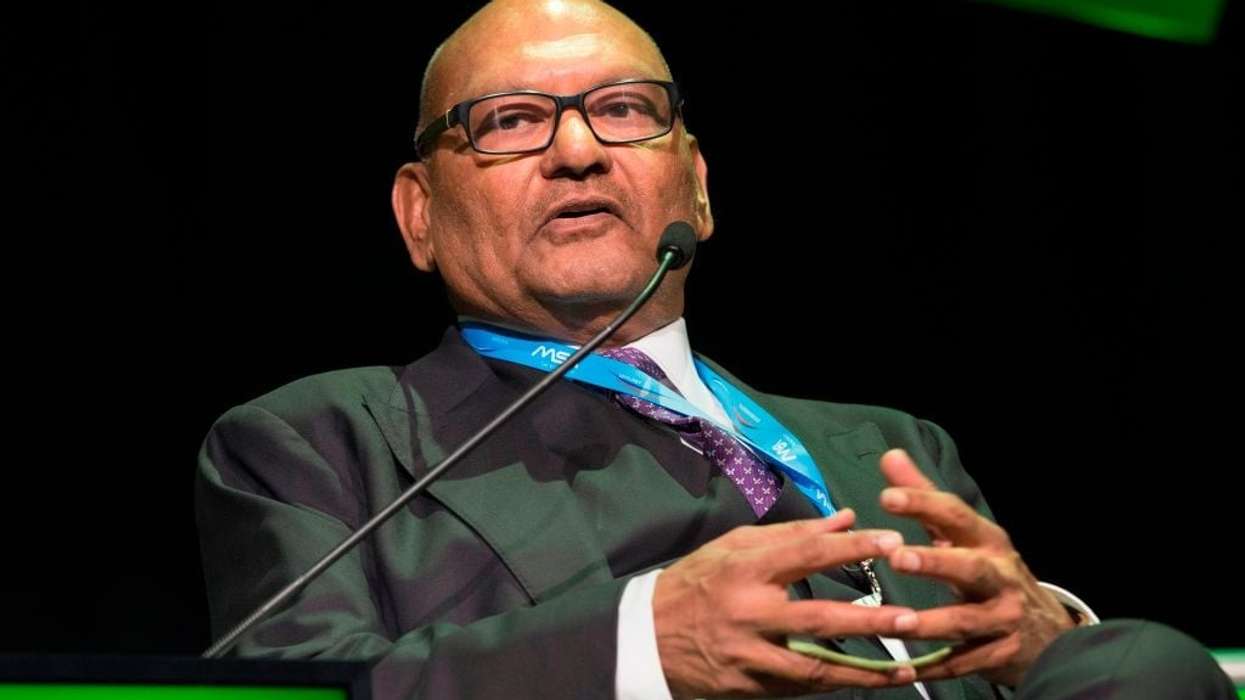
Agarwal told the Financial Times that the combined market capitalisation of the five companies would be higher than the group’s current $27 billion.

AFP via Getty Images

INDIA's Vedanta will split into five listed companies early next month as part of a restructuring plan aimed at reducing debt, the Financial Times reported on Saturday, citing an interview with chairman Anil Agarwal.

A tribunal cleared the oil-to-metals conglomerate’s plan to split into five listed entities in December.


After the demerger, the company will continue as Vedanta Limited, which will hold its base metals business. Vedanta Aluminium, Talwandi Sabo Power, Vedanta Steel and Iron, and Malco Energy will operate as separate entities.

Agarwal told the Financial Times that the combined market capitalisation of the five companies would be higher than the group’s current $27 billion.

He said a private parent company controlled by him will keep about half of the shares in each of the new entities.

The plan, first proposed in 2023, faced opposition from the government, which said a break-up could affect its ability to recover dues.

Chief Financial Officer Ajay Goel said in an interview with Reuters in January that Vedanta plans to list the four demerged units on Indian exchanges by the middle of May.

(With inputs from Reuters)

More For You

Supermarket pricing

5 ways dynamic pricing could change your supermarket bill

iStock

5 ways dynamic pricing could change your supermarket bill

  • Nearly 31 per cent of firms plan to adopt dynamic pricing tools.
  • Digital shelf labels are already rolling out across UK supermarkets.
  • Experts warn pricing could become more frequent, personalised and less predictable.

The way supermarket prices are set could be on the brink of a quiet but significant shift. The Bank of England has indicated that dynamic pricing where costs change based on demand is gaining traction across businesses, with grocery retail likely to follow.

According to the Bank’s latest survey, around 31 per cent of firms plan to introduce market-responsive pricing tools, up from 21 per cent currently. That jump suggests pricing is no longer something updated weekly or monthly but something that could move far more frequently.

Keep ReadingShow less