
THE UK has launched two new government-funded clinical trials to develop treatments to prevent people catching Covid-19.
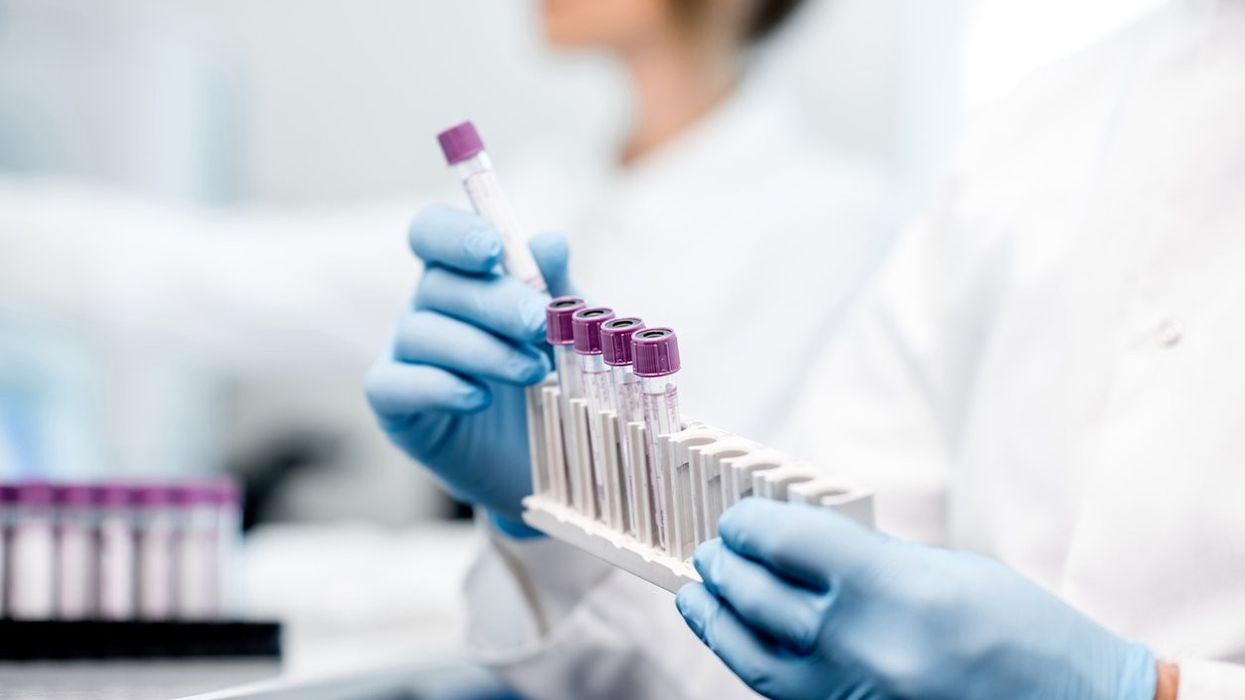
The trials will test the effectiveness of treatments - which have already shown promising early results for treating Covid-19 - in preventing the virus transmission among care home residents and those with weakened immune systems, such as transplant patients or those on dialysis.
The PROTECT-V trial, run by the University of Cambridge, will look at potential Covid-19 treatments’ effectiveness in reducing the spread of the virus among the most vulnerable groups. It will last at least 12 months, a statement said. The project has been awarded an additional up to £1.5 million to expand its trial platform.
The PROTECT-CH trial, run by the University of Nottingham, will also look at treatments for reducing transmission and serious illness from the virus, but for care homes, their residents and staff. The trial, with a funding of £1.7 million, will begin in May 2021 and last around two years.
Health secretary Matt Hancock said: “The UK was able to identify and rollout two lifesaving treatments for Covid-19 to NHS patients – dexamethasone and tocilizumab. The government is backing two more innovative UK-based clinical trials into effective therapeutics, this time specifically for the most vulnerable groups who need them most.
“We have been clear from the outset that it will be a combination of safe and effective vaccines, testing and therapeutics that will bring an end to this pandemic, and we will not rest until every individual in the country is protected against this awful disease.”
There are at least 500,000 people who could benefit from these treatments in England alone, and 2,250 are expected to take part in the clinical trial, the statement added.
It aims to recruit more than 400 care homes to take part, covering around 12,000 elderly residents, with any approved treatments having the potential to be rolled out to the 420,000 care home residents across the UK.
Professor Chris Whitty, chief medical officer for England and co-lead for the National Institute for Health Research, said: “These two important NIHR-funded studies will evaluate prophylactic treatments for Covid-19 in care homes and for those with compromised immune systems.
“The more proven clinical tools we can use to protect these very vulnerable groups the better, so I encourage as many eligible individuals, care home operators and residents to take part in these studies.”
Dr Rona Smith, senior research associate for PROTECT-V, said: "The PROTECT-V trial is a platform designed to test drugs that may prevent Covid-19 infection in vulnerable patients with kidney disease, either on dialysis, who have a kidney transplant or are receiving immunosuppression.
“This trial will test if drugs may offer additional protection over and above the vaccine in vulnerable individuals and prevent them becoming unwell with Covid-19 infection."
Professor Philip Bath, lead researcher for PROTECT-CH, has said that the trial is designed to test drugs that might reduce infection, hospital admission and death as there are no drugs for preventing serious Covid-19.






 Raageshwari LoombaMahesh Liloriya
 Raageshwari LoombaMahesh Liloriya
 WinnersMahesh Liloriya