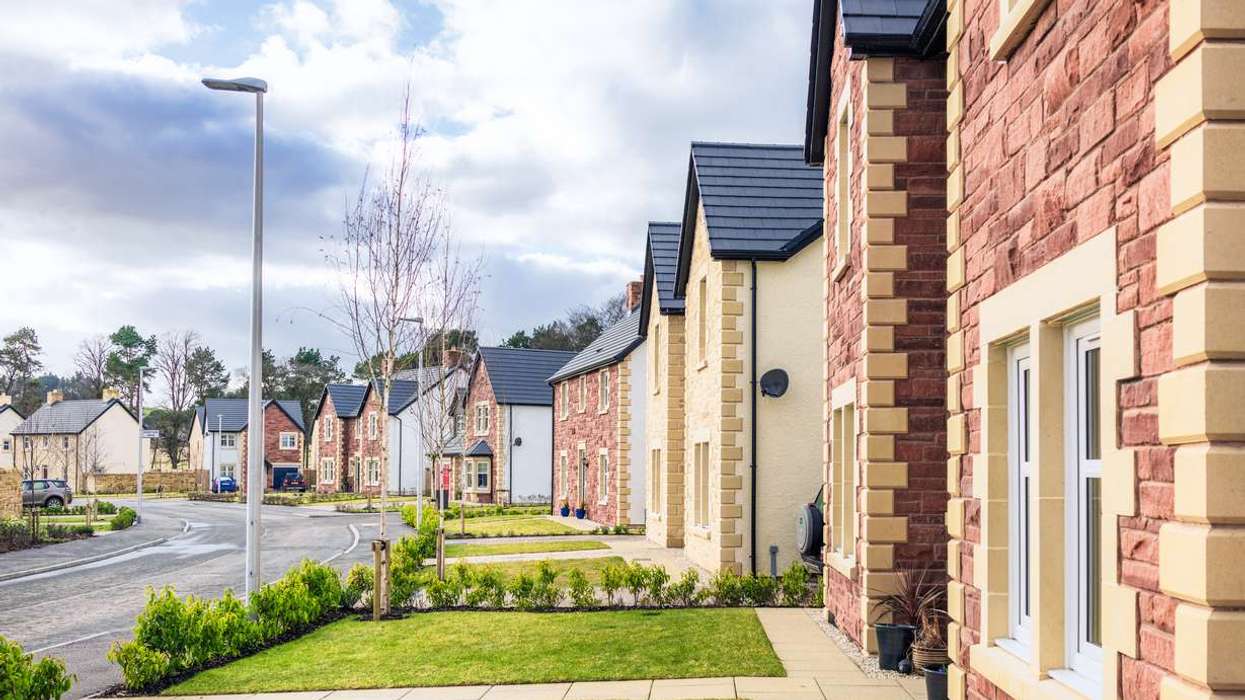

- Rents outside London hold at £1,370 per month in early 2026
- 26 per cent of listings see price cuts, highest since 2012
- Signs of cooling follow recent dip in UK house prices
The UK rental market has hit an unusual pause. For the first time since 2017, private rents have stopped rising at the start of the year, suggesting that tenant affordability may finally be catching up with years of steady increases.
Data from property portal Rightmove shows that average advertised rents outside London remained unchanged at £1,370 per month between January and March 2026. The figures point to a shift in the UK rental market, where demand is no longer strong enough to push prices higher in the way it has for nearly a decade.
When rents stop rising, something shifts
This is not a drop, but the absence of growth itself stands out. Early-year rent increases have been the norm for years, making this the first break in that pattern since 2017.
Landlords appear to be adjusting. Around 26 per cent of rental listings had their prices reduced while on the market, the highest share recorded since 2012. Rightmove said landlords were having to “position rents correctly for the current market”, as quoted in a news report.
There are also signs that supply is improving. The number of homes available for rent is up 3 per cent compared with a year earlier, reaching its highest level for this time of year since 2021. With slightly more choice, tenants seem less pressured to accept higher rents.
Affordability remains stretched, however. Many tenants are said to be hitting the upper limit of what they can pay, creating what agents describe as a pricing ceiling.
Cooling signals spread beyond rentals
The shift in rents comes alongside broader weakness in the housing sector. As previously reported, UK house prices have started to fall amid global tensions and weakening buyer confidence, pointing to a wider cooling across the market.
External pressures are also feeding in. Jeremy Leaf, a north London estate agent, reportedly said that after the Iran conflict began on February 28, tenants became more cautious about rising living costs.
At the higher end, demand has held up better. Estate agency Chestertons said some relocation from the Middle East has supported activity in prime rental areas, as quoted in a news report.
There are also questions about what comes next. Rising borrowing costs for landlords, linked partly to global uncertainty, could still influence rents later in the year. Colleen Babcock, a property expert at Rightmove, reportedly said it was “early days” but warned these costs may filter through into the market over time.
For now, the market appears to be holding steady rather than moving decisively. London rents rose 0.7 per cent to £2,736 per month, though still below the peak seen in summer 2025.
Attention is also on regulation. The Renters’ Rights Act, due to take effect on May 1, will abolish no-fault evictions. While concerns had been raised about landlords acting ahead of the change, Rightmove said there had been “no major signs of changes” in listing behaviour so far, as quoted in a news report.
Taken together, the data suggests a market no longer moving in one direction. Whether this pause turns into a longer slowdown remains uncertain.




 UK housing market iStock
