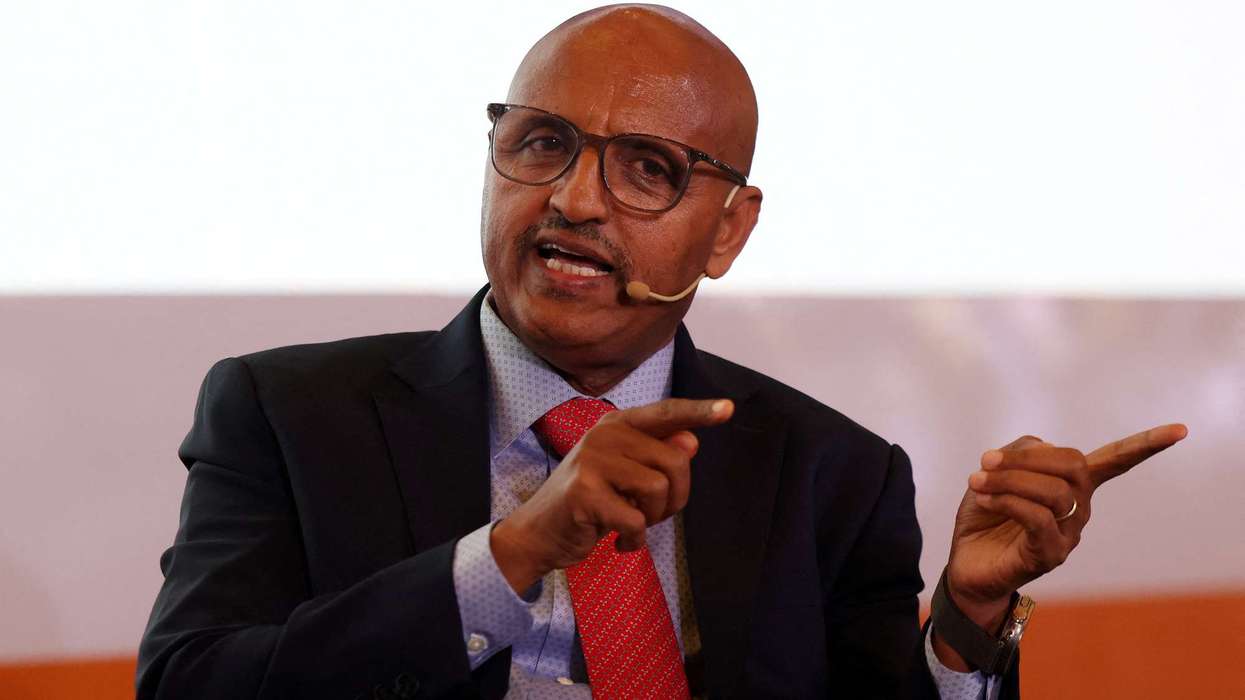

- The government plans to make salary disclosure compulsory in UK job adverts, with legislation to be introduced as soon as possible.
- A government consultation found that 94% of respondents supported greater pay transparency, including 93% of businesses.
- Employers are being urged to publish salaries now, ahead of the proposed legal requirement.
Businesses are being urged to publish salary details in job adverts immediately, as the UK government prepares legislation that would make pay disclosure compulsory.
Prime Minister Andy Burnham announced the proposed requirement on Thursday (5), saying jobseekers should know what a position pays before investing time and effort in an application.
The government wants employers to include salary information in recruitment adverts rather than leave candidates guessing or use vague descriptions such as “competitive salary”. Legislation is expected to be brought forward as soon as possible, although the precise requirements and enforcement arrangements have not yet been confirmed.
The move is intended to make recruitment more transparent, particularly for young people entering the workforce and those returning after time away from employment. Ministers also believe it could help expose unjustified differences in pay and make it easier for workers to challenge discrimination.
“Whether you're a young person starting out or a parent trying to support your family, you should know what a job pays before spending your time and effort applying for it,” Burnham said.
The government said there had been strong support for the proposal, with 94 per cent of respondents to its consultation backing greater pay transparency, including 93 per cent of businesses.
Financial Secretary to the Treasury James Murray described the change as an important common-sense reform. Speaking to BBC Radio 4's Today programme, he said pay should not be a guessing game for people applying for jobs.
Why does the government want salaries published upfront?
The proposal comes amid concerns about the number of job adverts that do not provide clear information about pay.
According to figures cited by the government from the Chartered Institute of Personnel and Development (CIPD), only 41 per cent of employers always publish salary ranges, while just 18 per cent always disclose specific salaries.
Separate data from recruitment website Adzuna showed that 51 per cent of job adverts on its platform included salary information in September. However, the proportion has been falling in recent years.
Adzuna co-founder Andrew Hunter said openness about pay should be the norm rather than the exception. He argued that employers who disclose salaries attract more applicants, including candidates who are better suited to the role.
For jobseekers, knowing the salary before applying can help them assess whether a position meets their financial needs and experience. It can also prevent candidates from spending time on interviews and recruitment processes only to discover that the pay is below their expectations.
The government is also linking the reform to efforts to address youth inactivity. Nearly one million young people in the UK are not in education, employment or training, a group commonly described as NEET.
Ministers argue that clearer salary information could make it easier for young people to identify suitable opportunities and take their first steps into work. The proposal forms part of wider efforts to improve access to employment, with the final report of the Milburn Review into youth inactivity expected in the coming weeks.
The plans also follow a recent intervention by the Equality and Human Rights Commission (EHRC), which called for stronger rights allowing employees to access information about what colleagues doing comparable work are paid.
The watchdog has also recommended preventing employers from asking job applicants about their current or previous salaries. It argues that relying on salary history can carry existing pay inequalities from one job into another.
What concerns do employers have?
Although the proposal has received broad support, some employers and industry representatives have questioned how a mandatory disclosure system would work in practice.
CIPD chief executive Neil Carberry said that while salary transparency was a positive principle, determining pay was often more complicated than publishing a single figure.
“There isn't always a single fixed figure, and employers will want to set pay based on a candidate's skills, experience and potential,” he said.
Carberry argued that recruitment pay decisions were complex and that the wording of job adverts was best left to good employer practice rather than government regulation.
Previous CIPD research has also found differences in how organisations disclose pay. Public sector employers and charities were more likely than private businesses to publish salary information, while pay ranges were more common than fixed figures. Some advertised ranges were wider than £10,000, potentially leaving candidates with limited clarity about what they could actually earn.
The government has not yet explained exactly what employers will need to disclose, whether salary ranges will be sufficient in every case or how businesses will be monitored for compliance. Further details on the scope, implementation and enforcement of the legislation are expected in due course.
The proposals are similar to measures being introduced in the European Union, where employers will have to disclose the initial salary or pay range for a role in the job advert or before an interview.
For UK businesses, the immediate message from ministers is to start publishing pay details voluntarily rather than wait for legislation.
If the requirement becomes law as planned, employers may need to review not only their recruitment adverts but also how consistently they set salaries across teams. Greater visibility could make it harder to justify unexplained differences between new recruits and existing employees, bringing internal pay structures under closer scrutiny.