
“Net migration has fallen 82 per cent. My government is delivering”, prime minister Sir Keir Starmer tweeted, celebrating fewer people coming to Britain.
Falling immigration may be Britain’s best kept political secret. Only one in six people know that net migration fell last year or think it will fall this year, according to British Future’s new Immigration Attitudes Tracker research. Half think immigration is still rising. Yet the drops are dramatic. Net migration halved from 800,000 to 400,000 in the first year, then more than halved again to 171,000 in 2025. Few at Westminster have yet clocked that net migration is set to halve again this year, dropping below 100,000 for the first time this century.
That could make 2026 the year when falling immigration becomes harder to ignore. Would it be a political triumph for Labour to actually hit that old “tens of thousands” net migration target that [former Conservative prime minister] Theresa May always missed? That does come with a catch. This government needs to decide how big a price-tag it is willing to swallow for lower immigration. The Treasury numbers added up by estimating an average inflow of 235,000 a year for the rest of this parliament. But that will surely be at least 100,000 higher than reality now. Whether that fiscal adjustment is £13 bn or doubles to £25 bn depends on how low net migration goes. That is a big opportunity-cost choice about government priorities that the Starmer cabinet has never properly considered.
Cutting the overall numbers will make it more important to answer a question this government has avoided so far: what does it think is a sustainable level of immigration – and why?
The record spikes of the last parliament were unsustainable. The governments of Boris Johnson and Rishi Sunak had little idea just how high the numbers would go. There is now a curious inverse symmetry with Labour set to deliver negative net migration in 2027 – for the first time this century – as much by accident as design.
What successive UK governments have lacked is a proper plan for how to control immigration fairly. The pace of change does matter. Annual inflows more than 0.5 per cent of the population are too fast for housing supply to keep up – while a surplus of deaths over births means the population shrinks when net migration falls below 120,000, so there are sensible reasons to avoid net emigration.
The government should set both ceiling and floor targets for net migration, reporting annually to parliament in an immigration budget. Immigration politics must become more than a rhetorical auction over who can say the lowest number. Choices, trade-offs and whether policy plans add up are routine when politicians are debating tax and spending. That needs to be emulated on immigration too.
Will it still be Starmer in charge this autumn? Andy Burnham is currently Britain’s least unpopular politician: the sole national figure with positive net approval. He could be the next prime minister – if he can navigate a tough by-election in Makerfield then persuade Labour MPs and party members he should be their leader. So Burnham already faces calls to be even tougher, or more compassionate, on immigration in what is often a vibes-based Labour debate about whether the party cares more about voters it risks losing to its left or its right.
Burnham could hardly be expected to sort out the enormously complex details of the government’s settlement consultation while campaigning as a by-election candidate. The prime minister has acknowledged the need to rebalance home secretary Shabana Mahmood’s draft proposals to ensure proper rules without sacrificing fairness for care workers and others directly affected. Responses to consultation highlighted numerous flaws and unintended consequences. Many Labour supporters will want to see a ten-year ceiling on settlement routes at most, not 15 or 20 years.
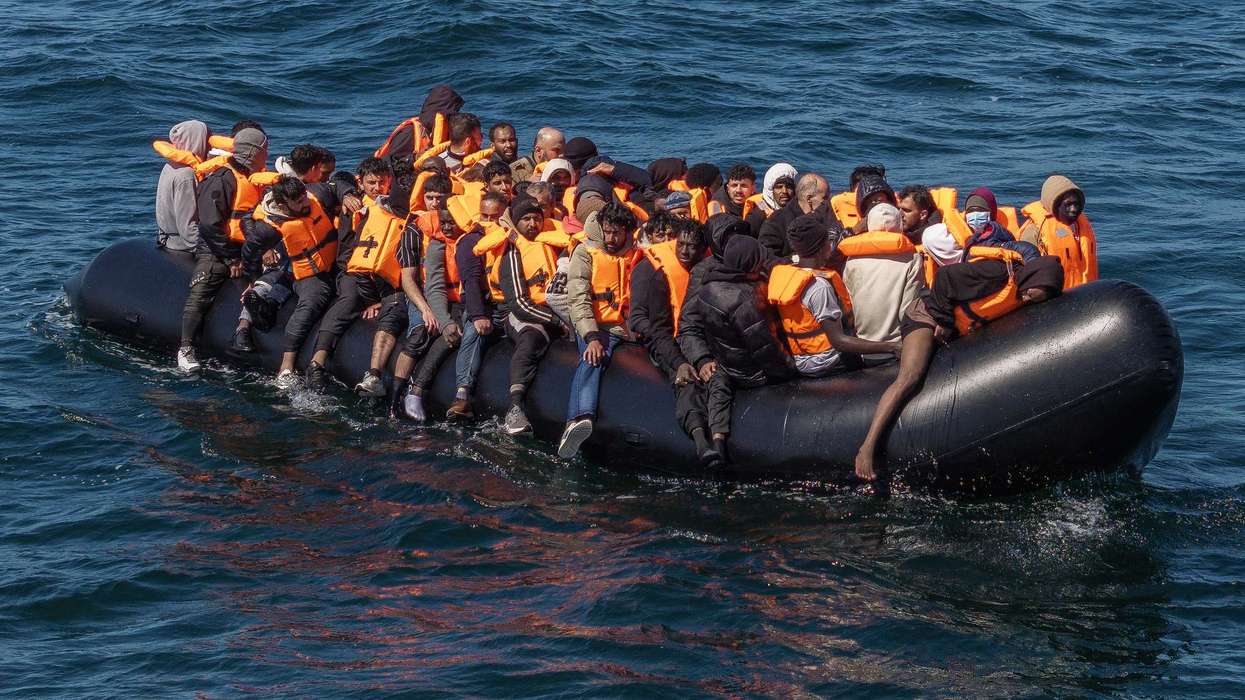
It is primarily the visible lack of control over small boats crossing the Channel and asylum hotels that fuels public concerns about immigration. To keep cutting who can get a visa to study or work in Britain may miss the point. Clearing asylum hotels in months, not years, would get noticed. Real-world plans to link controlled routes to the UK for asylum seekers with returns deals to Europe would grip the asylum challenge with control and compassion.
Falling immigration may change immigration politics in unexpected ways. The strongest anti-immigration voices will focus increasingly on who needs to leave – with more focus on ethnonationalist narratives about how ethnic change is replacing the native Brits.
Whoever leads this government, it will need to grip that challenge rather than try to just change the subject. But it will need a new strategy and voice for the new context of falling numbers – to show that this government is not competing to eliminate immigration from Britain, but to manage reduced levels fairly. That is how this government can take on a rising tide of remigration rhetoric and racism even as immigration itself has come down.