
- Food inflation dropped to 1.7 per cent in June.
- Grocery prices fell 0.2 per cent between May and June.
- Experts expect food prices to rise again later this year.
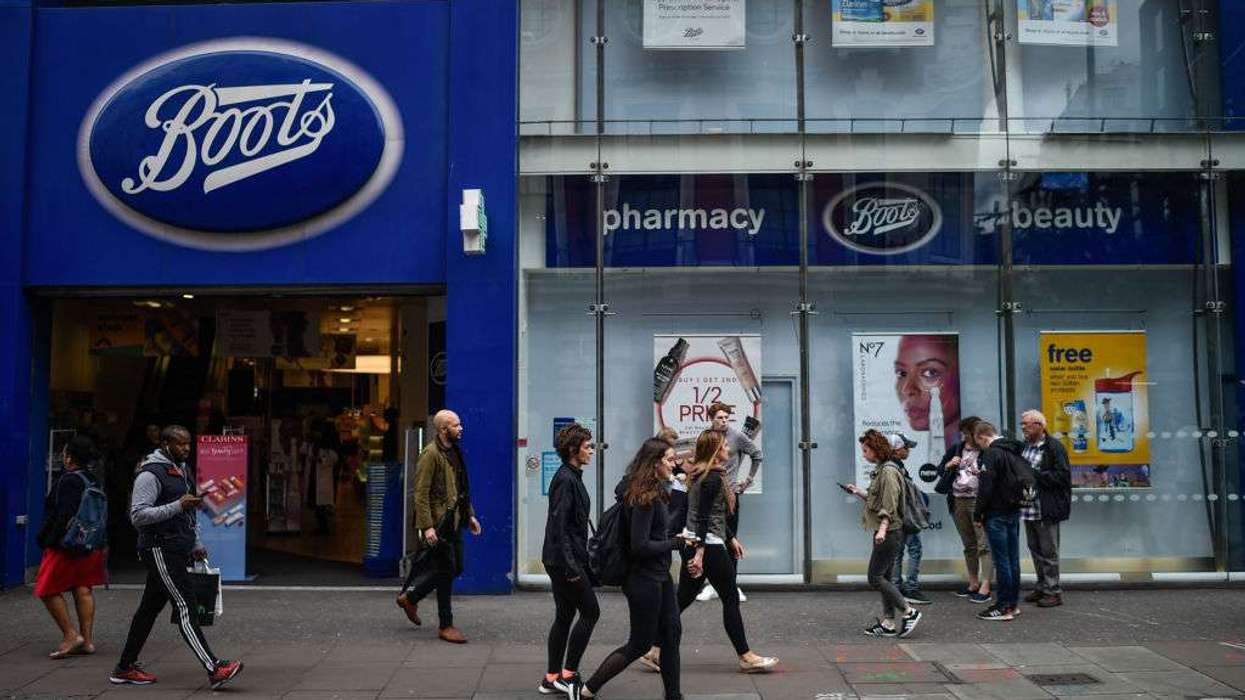
Food inflation in the UK has fallen to its lowest level in almost two years, offering some relief to households still feeling the squeeze from the cost of living.
According to the Office for National Statistics (ONS), food and non-alcoholic drink inflation slowed to 1.7 per cent in the 12 months to June, down from 2.2 per cent in May. It is the lowest annual rate recorded since August 2024. Prices also edged down by 0.2 per cent between May and June, suggesting supermarket price pressures are beginning to ease.
Several everyday grocery items became cheaper over the year. ONS data showed the average price of margarine and other vegetable fats fell by 1.9 per cent, while pizzas and quiches were 6.7 per cent cheaper than a year earlier.
Some products continued to become more expensive, but at a slower pace than in May. The annual increase for whole milk eased to 2.4 per cent from 7.2 per cent, while chocolate slowed to 4.6 per cent from 8.3 per cent. Egg prices also moderated, rising 2.9 per cent compared with 4.3 per cent a month earlier.
Liliana Danila, chief economist at the Food and Drink Federation, said manufacturers had managed to keep food prices relatively stable despite rising production costs. She reportedly said companies had spent the past few years strengthening supply chains and reducing their exposure to major disruptions following Russia's invasion of Ukraine.
The relief may be temporary
Despite the slowdown, industry experts believe shoppers should not assume grocery prices will continue easing for the rest of the year.
Food manufacturers are still facing higher energy costs after oil and gas prices rose following the conflict involving the US, Israel and Iran earlier this year. Many businesses have softened the impact by securing energy and ingredient contracts well in advance, helping them absorb some of the recent volatility.
James Walton, chief economist at the Institute of Grocery Distribution, reportedly said the latest figures would be welcome news for households under financial pressure, but warned the UK was "not out of the woods yet" on food inflation. He said higher energy prices, additional business costs from government regulation and extreme weather across Europe could all push food prices higher in the coming months.
Danila also urged the government to treat food security as a priority, reportedly saying closer collaboration with the industry would be needed to strengthen supply chains, encourage investment and improve the long-term resilience of the UK's food system.