
Highlights
- The repo rate rises 25 basis points to 5.50 per cent after a unanimous vote.
- Indian rupee is near record lows, so money sent from the UK goes further.
- Borrowers in India, including NRIs with home loans, face higher repayments.
BRITISH INDIANS who send money home, keep savings in India or repay loans there will feel the effects of the Reserve Bank of India's decision on Wednesday (7) to raise interest rates for the first time since February 2023.
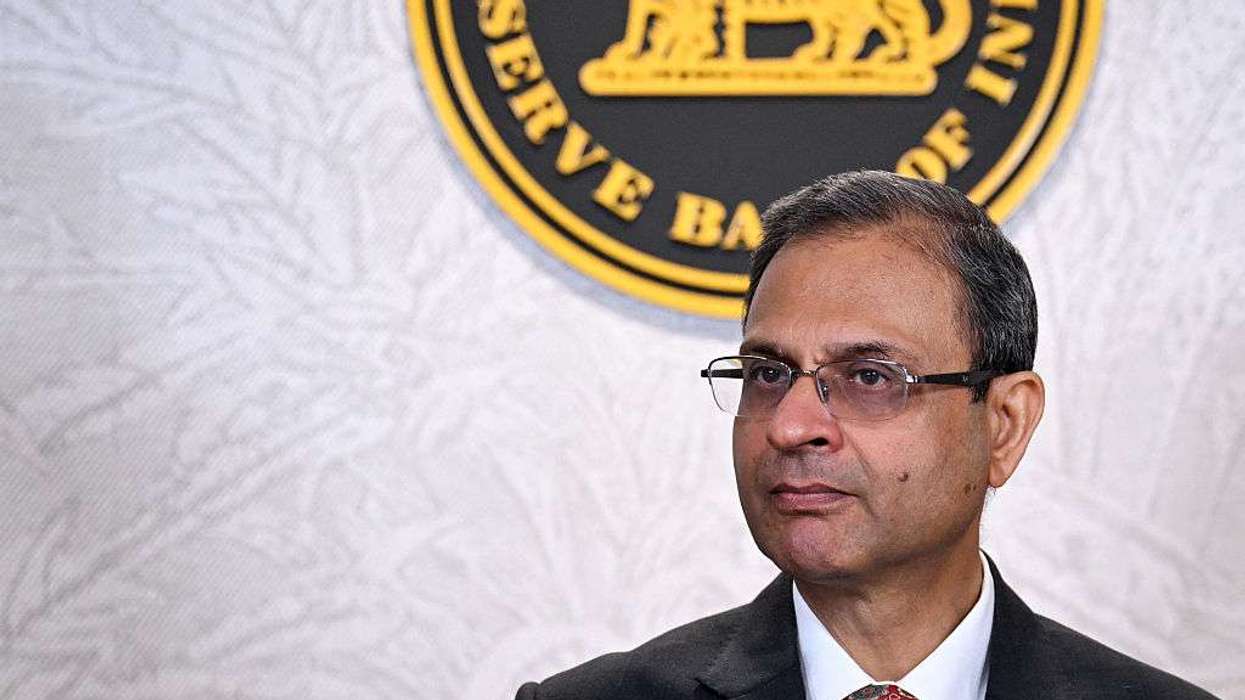
The RBI lifted its benchmark repo rate, the rate at which it lends to commercial banks, by 25 basis points to 5.50 per cent after a unanimous vote by its six-member monetary policy committee (MPC).
RBI governor Sanjay Malhotra made clear that borrowers should not expect relief soon. The committee, he said, "underscored that given the current conditions, rate cuts are off the table in the near term, and policy action ahead can only be a rate hike or a pause, depending on the evolving conditions and the outlook."
The move comes as the conflict in the Middle East pushes up inflation in Asia's third-largest economy and weighs on the rupee, which has traded near record lows over the past week.
What it means for money sent from the UK
A weaker rupee means every pound sent to India buys more rupees. For families who support relatives or pay bills in India, that makes transfers go further.
The RBI has also been actively courting money from Indians overseas to support the currency. Among a series of measures to attract dollar inflows was a deposit scheme for the diaspora, which raised around $127 billion.
Those steps helped slow the rupee's losses. But the currency has come under fresh pressure as foreign investors continue to sell Indian shares and crude oil hovers around $100 a barrel.
The picture is less welcome for anyone with a floating-rate loan in India, including non-resident Indians who have bought property there. Repayments are likely to rise as banks pass on the increase.
The MPC also changed its policy stance to what Malhotra called "calibrated tightening". For borrowers, that means the next move is likely to be another rise or a pause, not a cut.
Families paying overseas fees
The weak rupee cuts the other way for families in India paying for children to study in Britain. Tuition fees and living costs set in pounds now cost more in rupees, at a time when prices at home are also rising.
Since the Iran war broke out in February, the RBI had held rates steady while it assessed the impact of volatile oil prices on the world's fastest-growing major economy.
Resilient GDP growth last quarter gave it room to focus on rising costs. India imports most of its energy and has also been hit by a weak monsoon, which could push up food prices.
Retail inflation rose to 4.8 per cent in August. It was the third month in a row that headline inflation exceeded the RBI's medium-term target of four per cent, with data suggesting price pressures had spread beyond food and transport.
"It is clear that inflation and its outlook are not benign as they were last year," Malhotra said in a televised address from Mumbai, pointing to "some evidence of... generalisation of inflation".
India is the world's third-largest buyer of oil and normally sources about half of its crude through the Strait of Hormuz, which has been effectively closed since the war began. Analysts say that leaves India among the economies most exposed to a global energy shock, as higher crude and fertiliser prices push up its import bill.
The RBI joins several central banks around the world that have raised rates to curb inflation or support their currencies.
What happens next
Analysts expect the central bank to raise rates again.
"The rising interest rate backdrop globally has... reduced RBI's degrees of freedom. We see likelihood of another 50 bps hike this cycle," said Garima Kapoor of Elara Capital.
The RBI's next policy decision is due in December. Oil prices, the monsoon's effect on food prices and the rupee's direction will all shape that decision.
(Agencies)