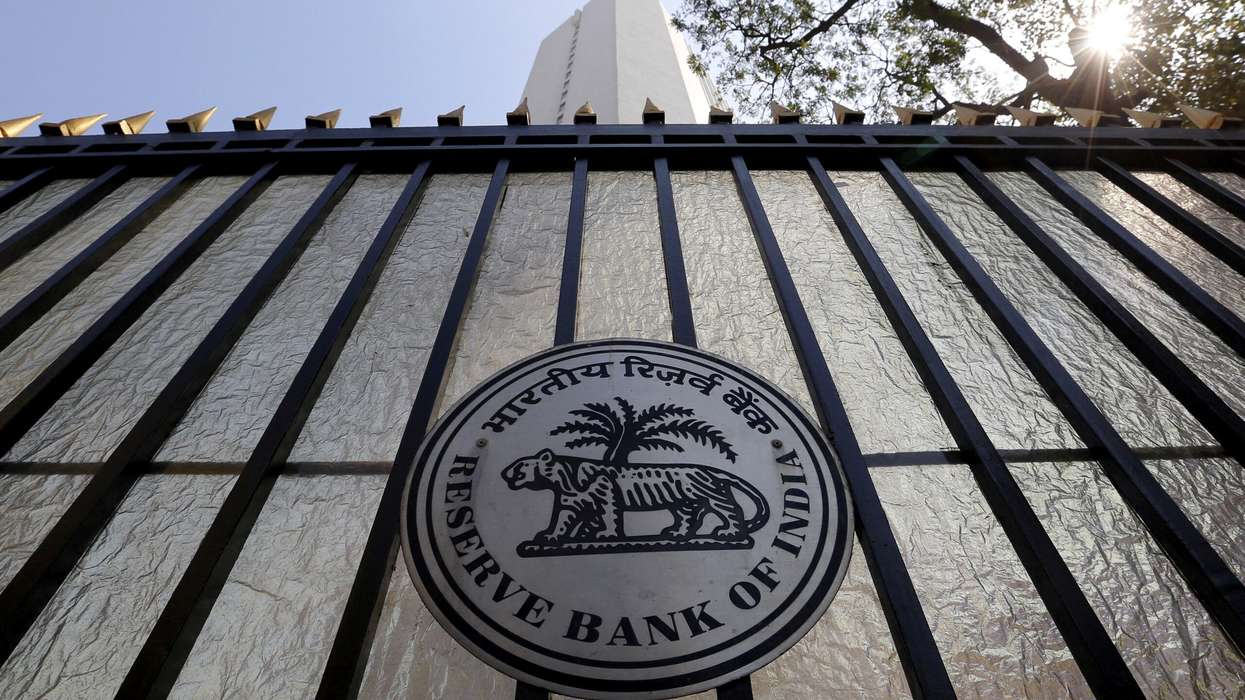

INDIA's central bank kept interest rates unchanged on Wednesday as it reviewed the impact of the West Asia war on the economy.
The Reserve Bank of India (RBI) said the benchmark repurchase rate, the level at which it lends to commercial banks, will remain at 5.25 per cent after a unanimous decision by its six-member panel.
Most analysts had expected the pause after the bank cut rates by a total of 125 basis points over 2025 before stopping in February.
Some experts, however, had not ruled out a surprise move.
Since beginning on February 28, the Iran war has hit India's rupee, increased inflation risks, and affected the country's growth outlook.
A two-week ceasefire announced by US president Donald Trump on Tuesday, along with the temporary reopening of the Strait of Hormuz, may help ease fuel pressures and reduce cooking gas shortages.
RBI governor Sanjay Malhotra said the monetary policy committee noted risks to inflation but said the economy's fundamentals gave it "greater resilience to withstand shocks now than in the past".
"It felt, therefore, prudent to wait and watch the changing circumstances and the evolving growth-inflation outlook," Malhotra said in a televised address from Mumbai.
India relies on West Asia for a large share of its oil and liquefied petroleum gas needs and is among the "most vulnerable economies within Asia to an energy price shock", according to analysts at Nomura.
Higher crude oil prices led foreign investors to sell more than $12 billion worth of Indian shares in March.
This added pressure on the rupee, which has fallen more than seven per cent over the past year, making it one of Asia's weaker currencies.
The rupee has recovered in recent weeks after the RBI took steps to curb speculative trading in the currency market.