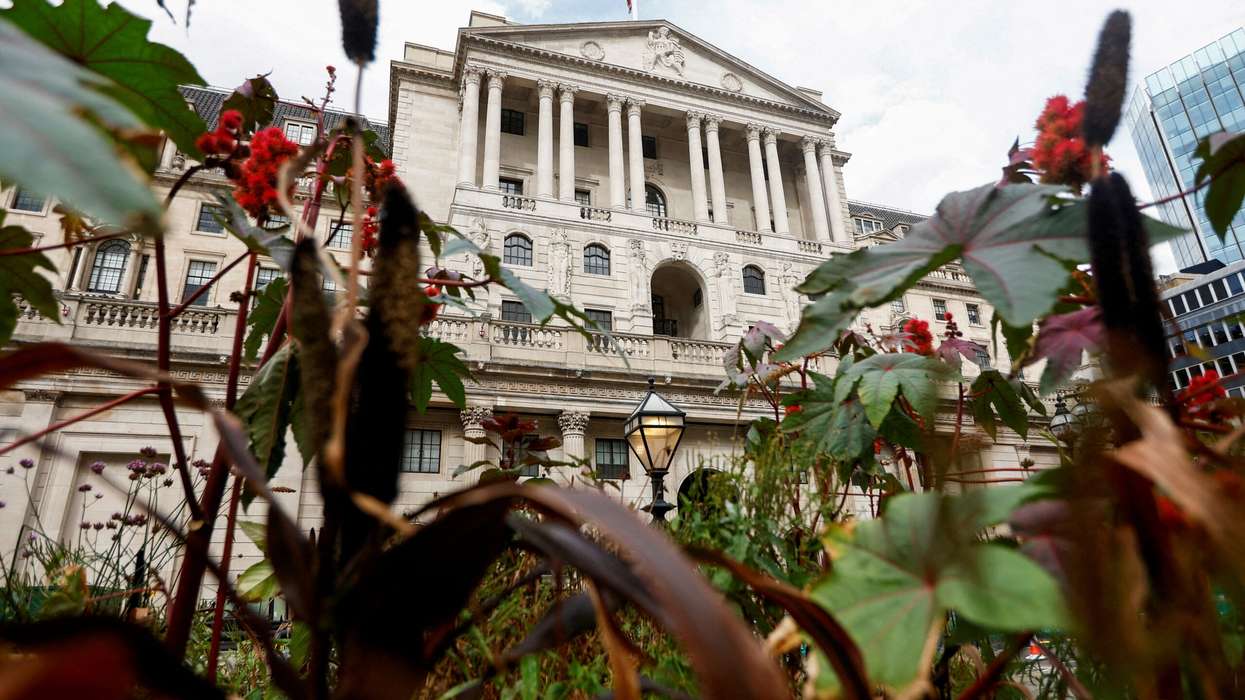

- Andrew Bailey says interest rate cuts are "off the table at the moment".
- The Bank of England remains concerned that higher energy prices could keep inflation elevated.
- Markets are now likely to expect borrowing costs to stay higher for longer.
Interest rate cuts in the UK appear to have moved further out of reach after Bank of England Governor Andrew Bailey signalled that policymakers are in no hurry to reduce borrowing costs.
Speaking at the European Central Bank's annual conference in Portugal, Bailey suggested that expectations of lower interest rates this year have faded as inflation risks continue to cloud the economic outlook. His remarks are the clearest indication yet that the Bank of England is likely to keep interest rates unchanged unless inflation shows more convincing signs of easing.
"There was an expectation that we would cut rates this year. That was off the table in March, and it's off the table at the moment," Bailey reportedly said.
Inflation remains the biggest concern
Bailey's comments come after the Bank of England voted in June to keep its key interest rate unchanged at 3.75 per cent.
He said recent geopolitical tensions in the Middle East had complicated the outlook by pushing up energy prices, although he described the subsequent fall in oil prices following the ceasefire between the US and Iran as encouraging.
Brent crude has since dropped below $71 a barrel, its lowest level since late February. Even so, Bailey cautioned that prices remain above levels seen before the conflict and policymakers are closely watching whether higher energy costs spread into food prices and other parts of the economy.
"We're very focused on the risks of pass-through of the energy prices... We obviously don't want inflation to become embedded," he reportedly said.
Official figures show UK inflation remained at 2.8 per cent in the latest reading, well above the Bank's 2 per cent target.
Borrowers may have to wait
Earlier this week, Bailey told CNBC that the Bank was "not happy" with the current pace of inflation and was "not complacent at all".
The latest comments suggest the Monetary Policy Committee is becoming increasingly cautious about cutting rates too soon, particularly after two members argued at the June meeting that households remain vulnerable to fresh inflation shocks.
The committee is next due to meet on July 30, when it will decide whether to leave borrowing costs unchanged or adjust policy.
For households and businesses hoping for cheaper mortgages and loans, Bailey's latest remarks suggest patience may still be required. While easing oil prices could reduce some pressure on inflation, the Bank appears determined to wait for stronger evidence that price growth is firmly under control before considering any rate cuts.