
- UK inflation slowed to 2.6 per cent in June, beating market expectations.
- Falling fuel, food and clothing prices drove the decline.
- Economists expect inflation to rise again later this year as energy costs increase.
UK inflation eased more than expected in June, offering some relief for households and giving the new Government an early boost as it rolls out measures aimed at reducing the cost of living.
The Consumer Prices Index (CPI) rose 2.6 per cent in the year to June, down from 2.8 per cent in May, according to the Office for National Statistics (ONS). Economists had expected inflation to slow to 2.7 per cent, making the latest reading slightly better than forecast.
The fall was largely driven by lower fuel prices, particularly diesel, alongside cheaper food, clothing and transport costs. However, economists cautioned that the improvement could prove temporary as rising energy prices and renewed tensions in the Middle East threaten to push inflation higher in the coming months.
Cheaper essentials help ease price pressures
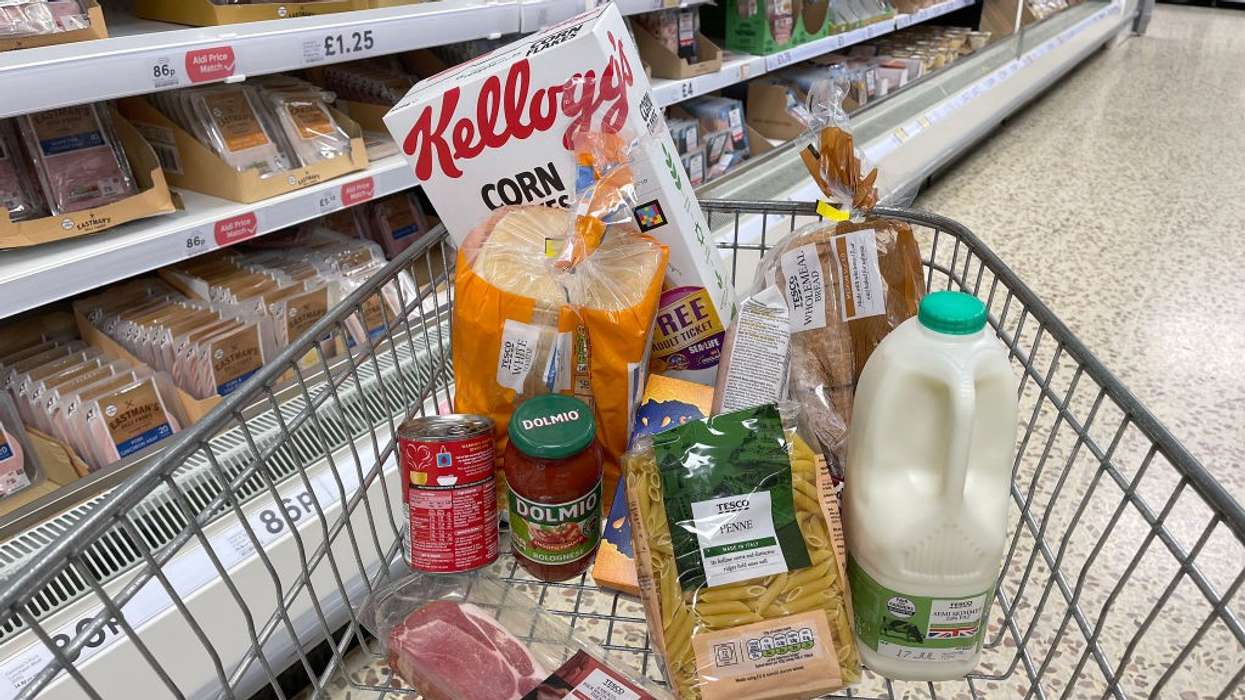
The ONS said food prices fell during June, with products such as chocolate, margarine and beef becoming cheaper. Clothing prices also declined as retailers launched summer sales, offering deeper discounts than a year earlier.
Grant Fitzner, the ONS's chief economist, reportedly said lower food prices and seasonal discounts on clothing helped bring inflation down. He added that the cost of raw materials fell for the first time since January, mainly because of lower crude oil prices, while factory gate price increases also continued to slow.
The latest figures are likely to provide some encouragement for prime minister Andy Burnham, who has pledged to tackle the cost of living during his first weeks in office. The Government has already announced a cut in VAT on household electricity bills and confirmed that the £2 bus fare cap will return across most of England from January 1, 2027.
Chancellor John Healey reportedly described the lower inflation reading as "news families want to hear", adding that the Government's early focus had been on measures to ease pressure on household budgets.
Economists expect inflation to rise again
Despite the stronger-than-expected figures, economists warned that inflation may not continue to fall.
Analysts pointed to higher wholesale energy prices following renewed tensions in the Middle East, with Brent crude recently climbing above £67 ($90) a barrel. The National Institute of Economic and Social Research (NIESR) expects inflation to begin rising again during the second half of the year, partly reflecting the 13 per cent increase in Ofgem's energy price cap from July.
Charlotte O'Leary, an associate economist at NIESR, reportedly said the increase in household energy bills and higher wholesale prices were likely to keep inflation elevated into the colder months. While the Government's VAT cut on electricity bills could offer some relief, she suggested its overall impact would probably be limited.
Joe Nellis, economic adviser at accountancy firm MHA, reportedly said the latest inflation figure was welcome news for the new Government. He noted that although concerns about supply chain disruption and oil prices had intensified following unrest in the Middle East, inflation had remained well below earlier forecasts, including projections from the International Monetary Fund that suggested it could approach 4 per cent by the end of the year.
The latest data may also reduce pressure on the Bank of England to raise interest rates from their current 3.75 per cent. While several policymakers have expressed concern about inflation remaining above the Bank's 2 per cent target, the weaker price growth could strengthen the case for leaving borrowing costs unchanged at its next meeting.
Meanwhile, Shadow chancellor Mel Stride reportedly argued that inflation remained above target because of the Government's tax and spending decisions, while questioning how ministers would fund their latest cost-of-living commitments.
For households, the latest inflation figures offer some welcome breathing space. But with energy costs expected to rise and geopolitical tensions continuing to influence global oil markets, economists believe the UK's battle against inflation is far from over.