
- VAT on household electricity bills will fall from 5 per cent to zero from October 1, saving households around £45 a year.
- The Government believes the move could reduce inflation by around 0.10 percentage points while easing cost-of-living pressures.
- Although businesses will not receive the VAT cut, sectors such as hospitality and retail could benefit if lower inflation boosts consumer spending.
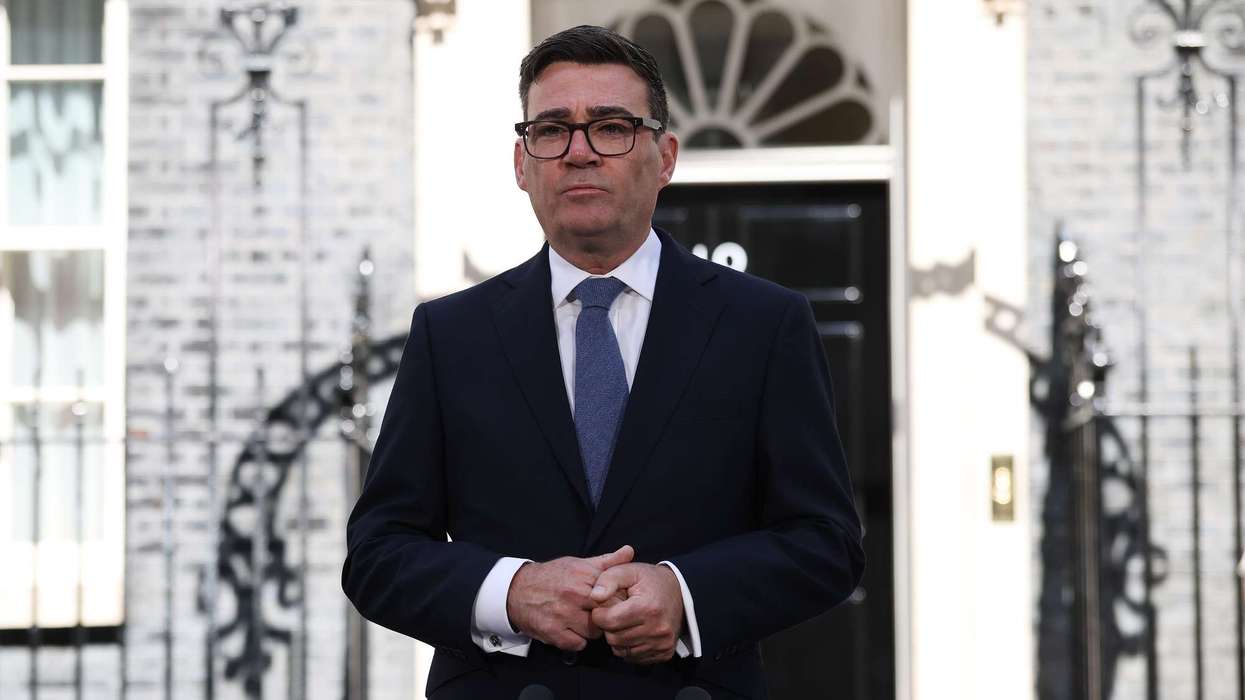
Andy Burnham's first major policy as prime minister is being presented as a tax cut on electricity bills. But the Government is betting on something much bigger than a £45 annual saving for households.
From October 1, VAT on household electricity bills will be removed, cutting the rate from 5 per cent to zero. Ministers say the move will not only reduce electricity costs but also help lower inflation by around 0.10 percentage points, offering broader relief as households continue to deal with high living costs.
The £850 million package comes as the energy price cap is forecast to stand at around £1,849 for a typical household. However, analysts have warned that renewed military action involving the US and Iran could still push global oil and gas prices higher, adding fresh pressure to energy markets.
Burnham reportedly said he wanted to give people "breathing space" by cutting taxes on electricity bills, putting more money into household budgets and restoring confidence in the economy.
A small saving with bigger ambitions
The VAT cut will apply only to electricity, not gas, meaning households with dual-fuel tariffs will see only part of their overall energy bill reduced. The Government said suppliers are expected to pass the tax cut on to all customers, including those on fixed tariffs.
While businesses will not directly benefit from the VAT reduction, economists are likely to watch whether lower inflation creates wider gains across the economy. If price pressures ease, businesses could face slower increases in operating costs, while households may have slightly more disposable income to spend.
That could be particularly significant for restaurants, cafés, pubs and retailers, many of which have spent the past few years battling rising food costs, wage pressures and weaker consumer demand. Although their commercial electricity bills will remain unchanged under the policy, any improvement in consumer confidence could encourage higher spending, especially during the winter months.
The announcement may also strengthen the case for households to switch from gas boilers to electric heat pumps, as the gap between electricity and gas prices narrows.
Because Northern Ireland follows EU VAT rules on electricity, the tax cut cannot be introduced there. Instead, the UK Government said it will provide funding to the Stormont Executive to deliver equivalent support.
Chancellor John Healey reportedly said the measure would give families some reassurance ahead of winter while also helping to bring down inflation.
The next test is paying for it
The Government says the tax cut will largely be funded by scrapping the previous administration's digital ID programme, which had been expected to cost around £600 million a year over three years. Officials said the money previously earmarked for the project would instead be redirected towards reducing electricity bills.
However, the funding plan has already come under scrutiny.
Darren Jones, who previously oversaw work on the digital ID project before leaving government, reportedly questioned whether cancelling the scheme would generate the savings ministers are relying on. He argued the programme had not been fully funded and said the Government would need to explain how it intends to pay for the tax cut when it presents its Budget.
Business Secretary Jonathan Reynolds rejected those concerns, reportedly saying the Government had simply reprioritised spending by dropping one policy in favour of another.
The policy is expected to cost the Exchequer around £850 million in 2026/27, making it Burnham's first major economic decision since entering Downing Street.
Whether it ultimately becomes known as an energy tax cut or an inflation measure may depend on what happens next. If lower inflation helps steady household finances, encourages consumer spending and eases pressure on businesses, the impact could extend well beyond electricity bills. If global energy prices continue to climb, however, the Government's first economic gamble may prove harder to sustain than the headline saving suggests.