
- Grocery inflation fell to 3 per cent in June from 3.8 per cent in April.
- Beef burger sales jumped 40 per cent during the hot weather.
- Nearly one-third of supermarket spending is now driven by promotions.
Britain's heatwave appears to have done more than fill parks and beaches. It also changed what people were putting into their supermarket trolleys.
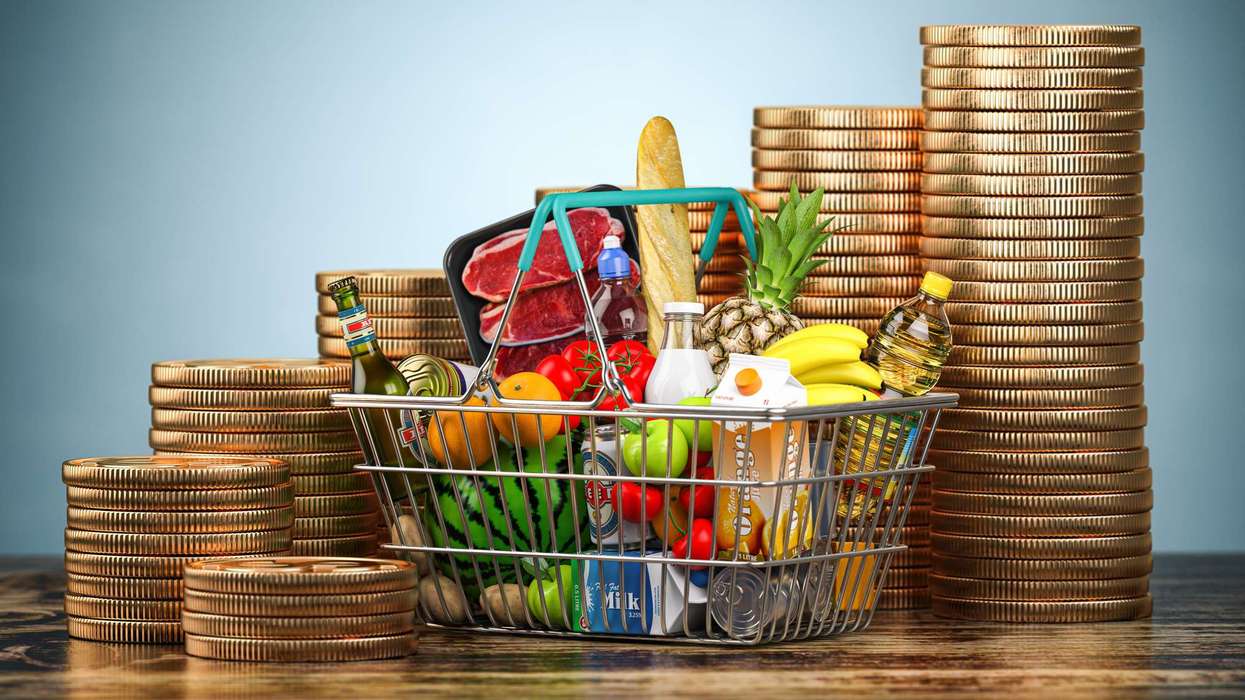
New grocery inflation data shows supermarket price growth eased again in June, offering some relief for households after months of food price pressures. At the same time, warmer weather triggered a surge in demand for barbecue essentials, salads, dips and alcohol-free drinks, giving retailers a seasonal boost.
According to Worldpanel by Numerator, UK grocery inflation slowed to 3 per cent in June, down from 3.1 per cent in May and 3.8 per cent in April. The figures may ease concerns that rising tensions in the Middle East could quickly push food prices higher on supermarket shelves.
The slowdown in supermarket inflation coincided with the UK's hottest May day on record, prompting shoppers to swap indoor meals for outdoor dining.
Sales of fresh beef burgers rose 40 per cent compared with the same period last year, while purchases of fresh prepared salads and chilled dips increased 13 per cent. Suncare products recorded one of the sharpest jumps, with sales soaring 128 per cent.
Alcohol-free and low-alcohol drinks also continued their strong run. Sales climbed 23 per cent, significantly ahead of the wider beer and cider category, which grew by 6 per cent.
Fraser McKevitt, head of retail and consumer insight at Worldpanel, reportedly said that warm weather tends to have a noticeable impact on shopping habits, with consumers increasingly turning towards barbecue foods and lighter meal options during summer periods.
The data suggests that households spend almost twice as much per person on food when barbecuing. Average spending rises to nearly £5 per head, compared with just over £2.50 for meals prepared indoors.
Retailers battle for the summer spend
Supermarkets are also relying heavily on promotions to attract customers.
According to Worldpanel, almost one-third of all grocery spending now takes place through promotional offers, the highest level seen in years. The World Cup also encouraged retailers to increase discounts on beer, cider, snacks, crisps and chilled pizzas.
McKevitt reportedly said shoppers are becoming more confident in finding deals and are increasingly selective about where they spend their money, forcing retailers to compete harder for customers.
Among the major supermarket chains, Ocado remained the fastest-growing grocer over the 12 weeks to June 14, with sales rising 13.5 per cent year-on-year.
Co-op returned to growth after the cyberattack disruption experienced last year, increasing sales by 2.7 per cent and slightly improving its market share to 5.3 per cent.
Tesco retained its position as Britain's largest supermarket, growing sales by 1.2 per cent and holding a 28 per cent share of the grocery market.
Asda continued to face pressure, with sales declining 3.6 per cent compared with the same period last year, leaving it with a market share of 12.1 per cent.
While food prices are still rising, the pace has eased. For now, it appears Britain's shoppers are focusing less on inflation and more on making the most of the summer weather.