
US PRESIDENT Donald Trump on Friday said Apple could face a 25 per cent tariff if iPhones sold in the United States were not manufactured domestically, a move that impacted the company’s stock price.
Trump has frequently criticised companies for producing goods outside the US, and his direct mention of Apple for potential tariffs was unusual.
Although iPhones are designed in the United States, most of the assembly takes place in China, which remains involved in a tense trade dispute with the US.
Apple has announced plans to shift parts of its production to countries such as India, but Trump said this was not an acceptable solution.
ALSO READ: Apple assures India plans intact despite Trump’s remarks: Report
“I have long ago informed Tim Cook of Apple that I expect their iPhones that will be sold in the United States of America will be manufactured and built in the United States, not India, or anyplace else,” Trump wrote on Truth Social.
“If that is not the case, a tariff of at least 25 percent must be paid by Apple to the US,” he added.
Trump repeated similar comments last week while visiting Qatar, where he called on Apple to move iPhone manufacturing to the US.
“I had a little problem with Tim Cook,” Trump said on May 15.
He added that he told the Apple CEO: “We’re not interested in you building in India... we want you to build here and they’re going to be upping their production in the United States.”
Analysts have said moving iPhone production to the US would be a major challenge and could take years, if possible at all.
Wedbush Securities estimates that about 90 per cent of Apple’s iPhone manufacturing and assembly still happens in China.
“Reshoring iPhone production to the United States is a fairy tale that is not feasible,” Wedbush analyst Dan Ives said in a note.
Apple’s share price has dropped more than 20 per cent since Trump took office, amid ongoing trade-related pressure.
On Friday, the company’s stock was trading down nearly three per cent.
During Trump’s first term, Apple was largely exempted from some of the administration’s trade measures against China. But the company is now facing more direct criticism.
Last month, Tim Cook warned about the uncertain effects of US tariffs on Chinese goods, some of which had reached as high as 145 per cent, though high-end tech products like smartphones had temporary exemptions.
Cook said Apple expects to pay $900 million in tariffs this quarter.
“Prices of handsets look set to rise, given iPhones will end up being more expensive, if the threats turn into concrete trade policy,” said Susannah Streeter, analyst at Hargreaves Lansdown.
“While die-hard fans will still be prepared to pay big bucks for Apple’s kit, it’ll be much harder for the middle-class masses who are already dealing with price hikes on other goods, from Nike trainers to toys sold in Walmart,” she added.
Last week, the US and China agreed to reduce some of the tariffs on each other’s goods for 90 days, offering a brief pause in the ongoing trade conflict.
(With inputs from agencies)
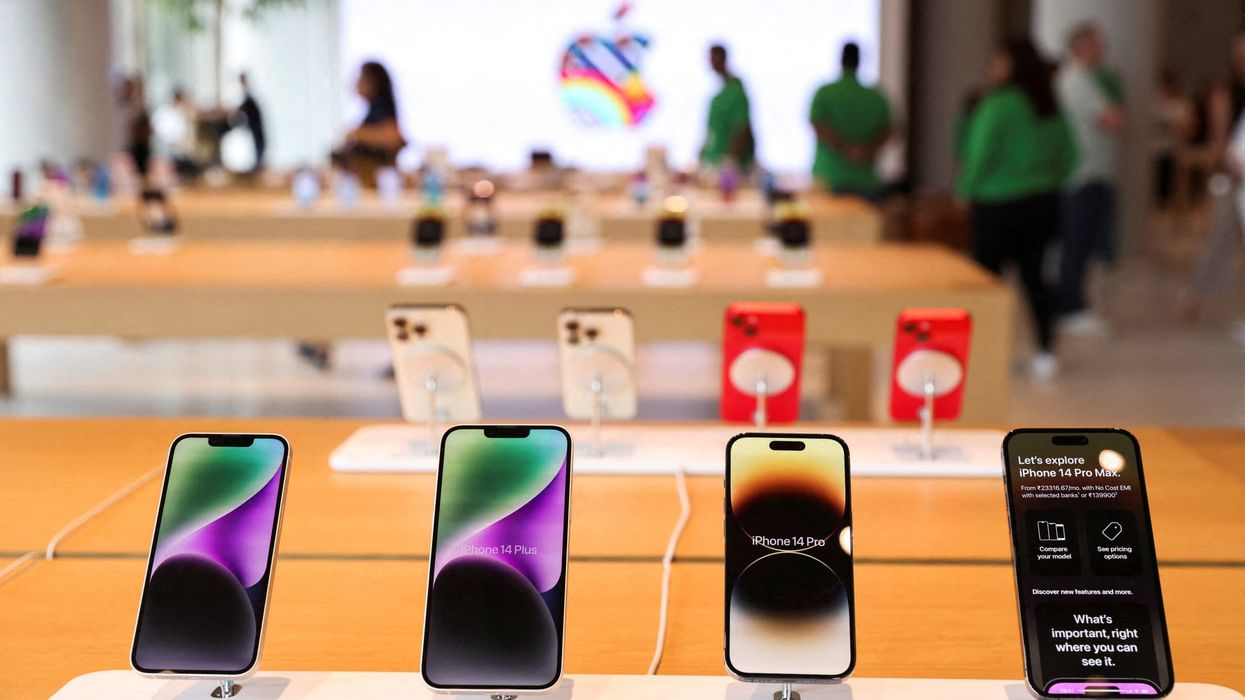
FILE PHOTO: Apple iPhones are seen inside India's first Apple retail store in Mumbai, India, April 17, 2023. REUTERS/Francis Mascarenhas
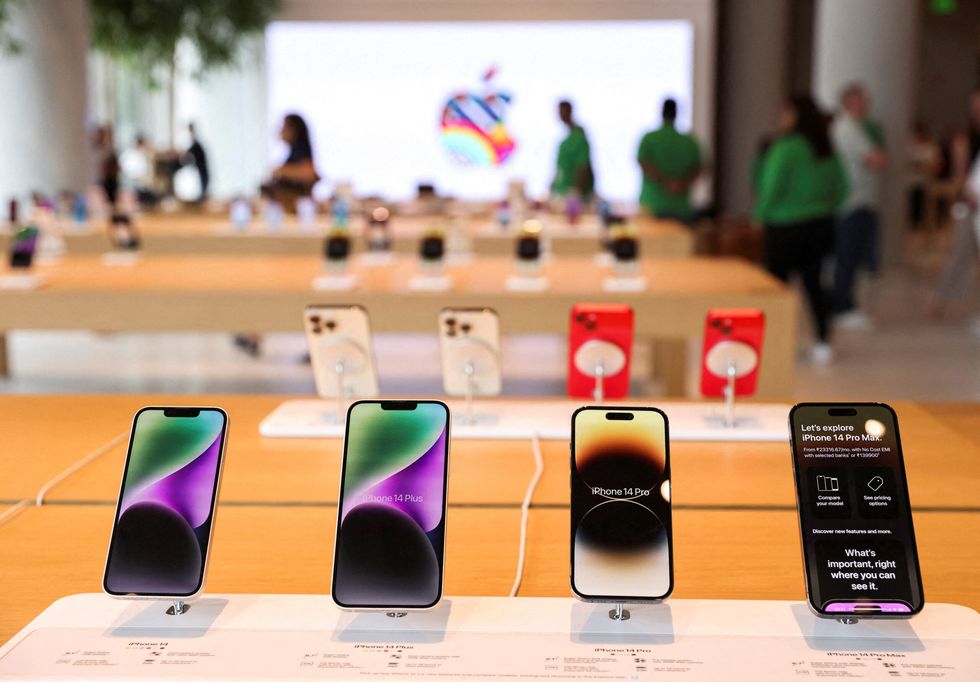 FILE PHOTO: Apple iPhones are seen inside India's first Apple retail store in Mumbai, India, April 17, 2023. REUTERS/Francis MascarenhasREUTERS