
- The US has refunded $81 billion in tariffs after a Supreme Court ruling invalidated part of Donald Trump's trade measures.
- Most repayments were made in May and June, according to Treasury figures.
- The White House is still preparing a fresh round of tariffs targeting several trading partners.
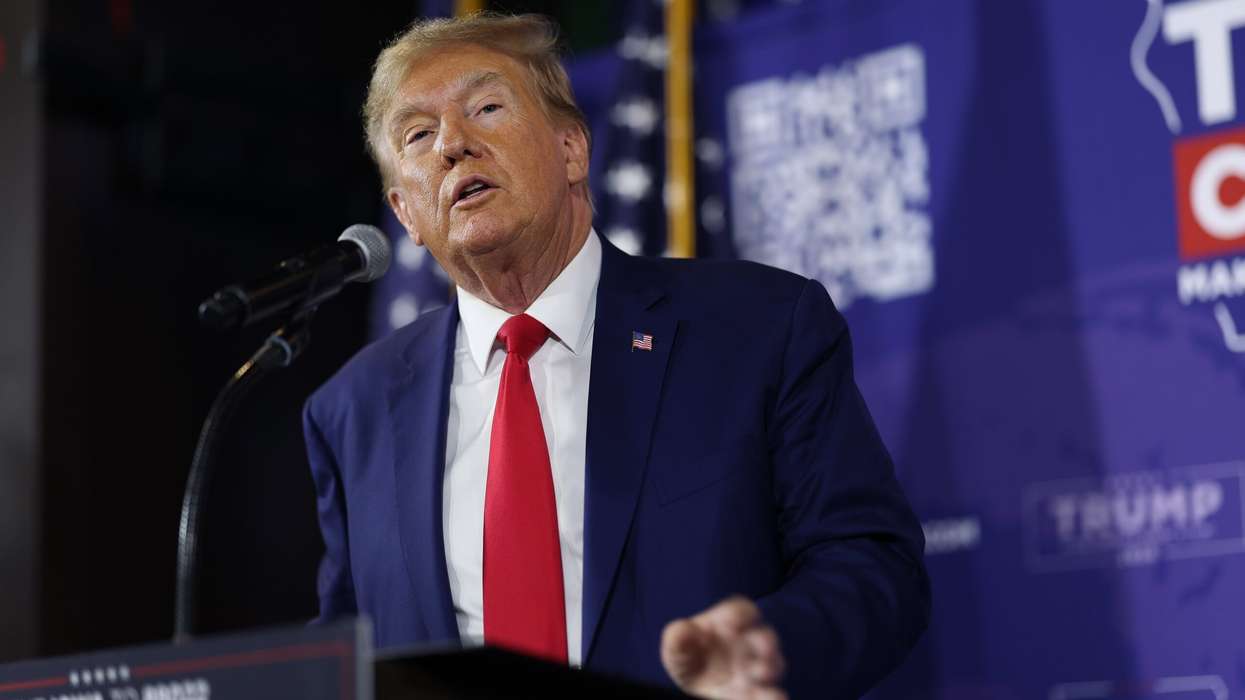
The US government has refunded $81 billion (£61 billion) in tariff payments after the Supreme Court struck down a significant part of President Donald Trump's trade policy, reversing one of the administration's biggest revenue-raising measures.
The tariff refunds were disclosed in new US budget figures covering the fiscal year that began in October 2025. During the same period a year earlier, the government repaid just $5 billion in tariffs, highlighting the scale of the court-ordered repayments.
According to a Treasury Department official, most of the refunds were processed during May and June following the Supreme Court's ruling in February.
Tariff gains begin to fade
Tariffs have been central to Trump's economic agenda since returning to the White House. The President has argued they would encourage manufacturers to invest in the US, improve trade deals and help reduce the federal budget deficit.
However, the repayments have started to erode some of those gains.
US budget figures show the federal deficit reached $1.367 trillion during the first nine months of the fiscal year, up 2 per cent from a year earlier. Interest payments on government debt exceeded $1 trillion, rising 14 per cent, while military spending increased 5 per cent, partly because of the conflict in the Middle East.
Despite the court setback, the administration is continuing to pursue new tariffs.
The current temporary 10 per cent global tariff is due to expire on July 24, while the White House is preparing fresh duties of between 10 per cent and 12.5 per cent on imports linked to concerns over forced labour enforcement and industrial overcapacity. Countries that could be affected reportedly include the UK, Japan, India, Taiwan and China.
Trade tensions remain high
The administration has also warned of additional trade measures against several countries.
Brazil has been threatened with fresh tariffs of 25 per cent, while Trump has also warned European countries, including the UK, that they could face 100 per cent tariffs if they continue imposing digital services taxes on large US technology companies.
The UK currently applies a 2 per cent Digital Services Tax on major technology firms such as Apple, Google and Amazon, generating more than £800 million during the 2024-25 financial year. France, Spain and Italy each levy a 3 per cent digital services tax, while several other European countries are considering similar measures.
In a post on Truth Social, Trump reportedly said any country introducing such taxes would immediately face 100 per cent tariffs on goods exported to the US, regardless of any existing trade agreements.