
- Donald Trump reported more than £750 million ($1 billion) in income during 2025, driven largely by cryptocurrency.
- Crypto ventures generated more revenue than Trump's long-standing real estate business.
- The earnings have reignited debate over ethics, although the White House denied any conflict of interest.
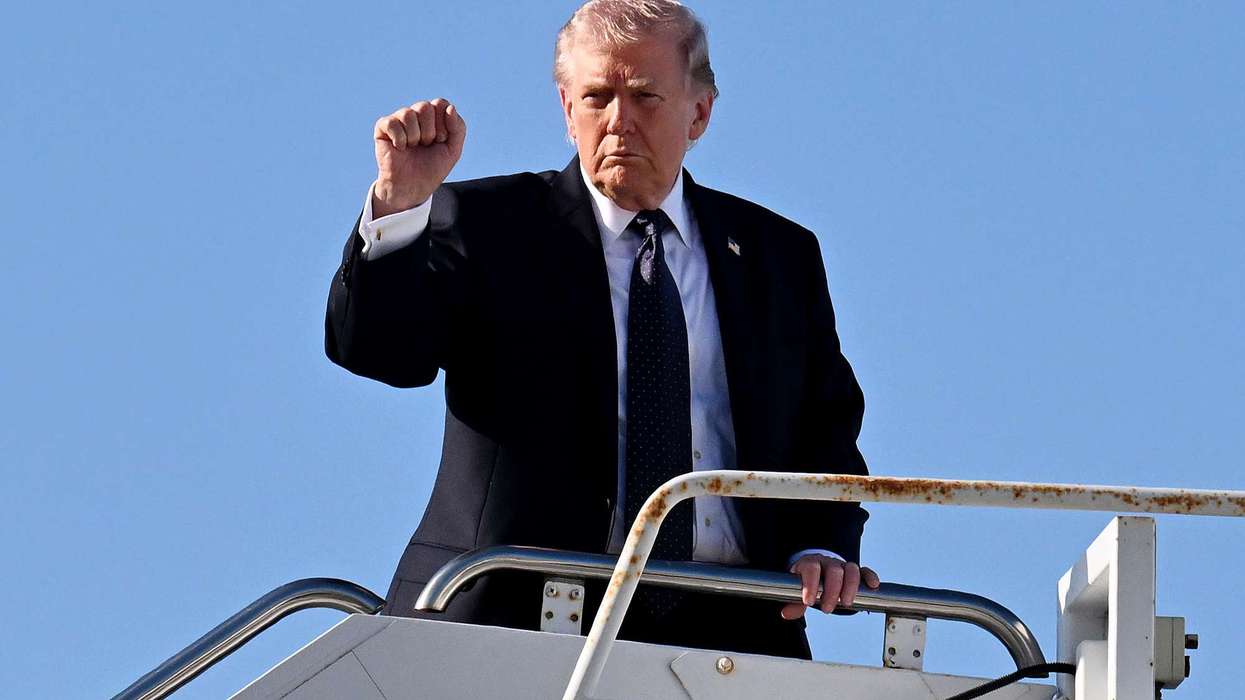
Donald Trump's cryptocurrency businesses generated more than £750 million ($1 billion) in 2025, making digital assets the biggest contributor to his income and overtaking the real estate empire that built his fortune. The figures were disclosed in the US President's mandatory annual financial filing, offering the clearest picture yet of how deeply his business interests have shifted towards cryptocurrency.
The 927-page disclosure shows Trump's crypto earnings far exceeded revenue from hotels, golf resorts and licensing deals. The filing also comes as the Trump administration continues to promote the growth of the crypto industry, making the relationship between public policy and the President's business interests a renewed subject of political debate.
According to the disclosure, Trump earned more than £375 million ($500 million) from World Liberty Financial, a cryptocurrency venture founded by his sons alongside the sons of his special envoy Steve Witkoff. The company sells digital products, including governance tokens.
Another £476 million ($635 million) came from CIC Digital LLC through sales of the Trump-themed meme coin launched just days before his inauguration. Although the token has since lost much of its value, the launch generated substantial royalty income for the President.
The filing also shows Trump's crypto businesses, many of which were only starting out when he returned to the White House, have quickly overtaken business interests that took decades to build. Earlier in his presidency, Trump pledged to make the US the "crypto capital of the world" and signed an executive order supporting the responsible growth of the industry.
White House deputy press secretary Anna Kelly reportedly said the President had delivered on that promise through executive actions and pro-crypto legislation. She also rejected allegations of any conflict of interest, saying neither Trump nor his family had engaged in, or would engage in, conflicts of interest.
Property, merchandise and legal payouts still add millions
Despite crypto dominating the balance sheet, Trump's traditional businesses continued to generate significant income. His Mar-a-Lago resort brought in around £58 million ($77 million), while the Trump National Doral golf resort in Florida earned about £92 million ($122 million). Golf clubs in Bedminster, New Jersey, Jupiter, Florida, and Turnberry in Scotland each generated more than £23 million ($30 million).
The President also received around £3.5 million ($4.7 million) in royalties from Trump-branded watches, alongside income from branded Bibles, trainers, fragrances and guitars.
International property licensing deals also added to the total. Developments in the United Arab Emirates generated £7.8 million ($10.4 million), while projects in Saudi Arabia contributed £6.8 million ($9 million). Properties in Romania and Qatar each earned about £3.8 million ($5 million).
The disclosure further lists more than £65 million ($86.5 million) received through legal settlements involving ABC, CBS, Meta, YouTube and X. The White House has reportedly said that most of those proceeds will go towards Trump's future presidential library or a nonprofit supporting parks in Washington DC.
First Lady Melania Trump also reported earnings. She received around £8 million ($10.7 million) from a licensing agreement linked to a documentary about her, as well as £4.5 million ($6 million) from the sale of non-fungible tokens (NFTs).
Fresh questions over ethics
The scale of Trump's crypto earnings has once again prompted scrutiny from ethics experts because his administration is shaping policies that directly affect the digital asset industry.
Richard Painter, who served as the chief White House ethics lawyer under former President George W Bush, reportedly described the scale of the crypto income as "extraordinary" and argued it represented a conflict of interest.
Will Walker-Arnott, director of private clients at Raymond James Financial Group, reportedly said Trump's approach differed sharply from previous presidents, noting that leaders such as Jimmy Carter and George W Bush took steps to distance themselves from personal business interests while in office.
Trump, however, has maintained that he is not bound by federal conflict of interest laws applying to the presidency. The White House has also repeatedly stated that his businesses are held in a trust managed by his sons and that government decisions are made solely in the interests of the American people.