
- Creators can access TikTok earnings without waiting weeks for payouts.
- Nearly 49 per cent report late or inconsistent payments affecting their work.
- The move reflects a wider push to formalise creator income across platforms.
For many creators on TikTok, making money hasn’t been the hardest part. Accessing it has.
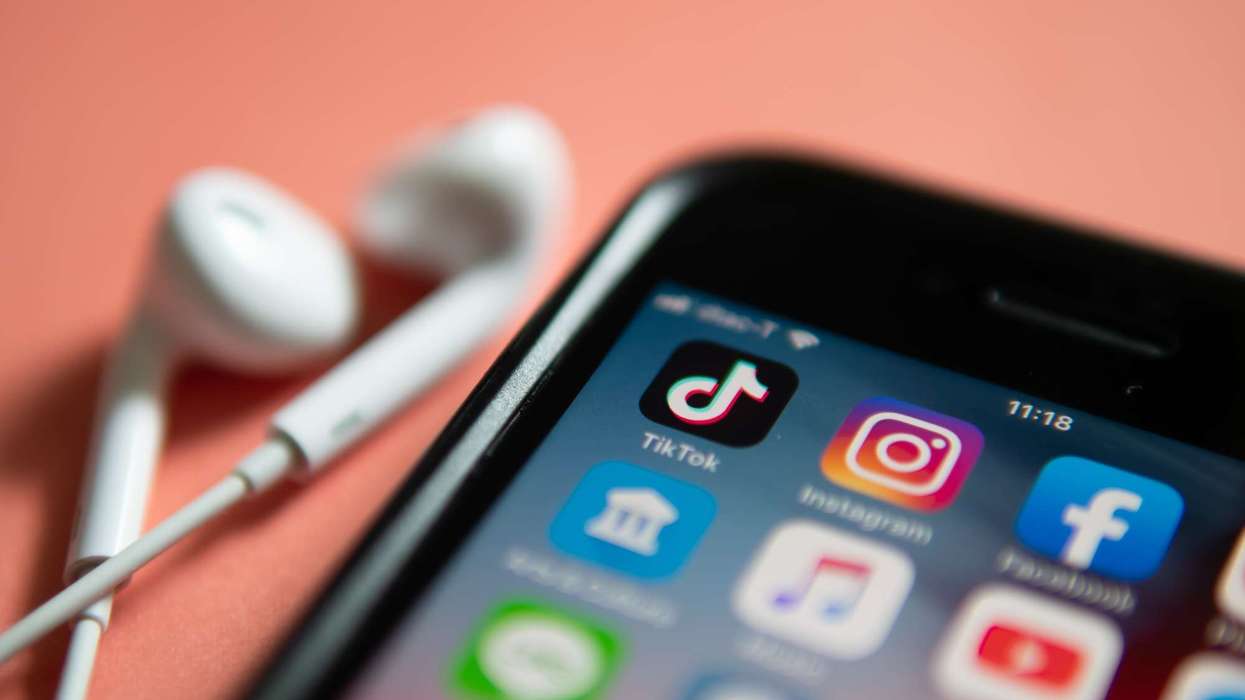
That gap is what TikTok is now trying to close in the UK, with the launch of a debit card in partnership with Visa. The card links directly to a creator’s TikTok account, allowing users to access earnings from TikTok Live without the usual wait.
Until now, payouts from livestreaming, where viewers send virtual gifts that are later converted into cash — could take days or even weeks to land in a bank account. In some cases, creators reported waiting up to a month.
That delay isn’t a small inconvenience. Visa-commissioned research suggests 49 per cent of creators have faced late or inconsistent payments, affecting how they manage their work. Around 41 per cent said cashflow issues have forced them to turn down opportunities.
The new card appears to be designed with that friction in mind. It is a virtual debit card, available through the TikTok app, and can also be used for other creator income such as brand deals. There is no sign-up fee, and users aged 18 and above can apply directly within the platform.
Still, the account linked to the card is not a business bank account — something that could matter for creators looking to scale beyond platform earnings.
From virtual gifts to real money
The system behind TikTok Live is relatively simple, at least on the surface. Viewers buy coins within the app, use them to send virtual gifts during livestreams, and those gifts are converted into “diamonds” that creators can cash out.
What changes now is the time it takes to turn that activity into usable money.
TikTok Live, launched in 2020, has grown steadily. The company said more than 15 million users broadcasted across Europe in 2025. Livestreaming itself has also evolved — not just as entertainment, but as a space where audiences interact, tip, and increasingly spend in real time. A news report noted that the format is beginning to blur the line between content and commerce.
That shift is part of a much larger trend. Platforms like YouTube, Twitch and Patreon have all been building systems to support creator income more directly. Visa estimates the global creator economy includes around 200 million people and could be worth £370 billion ($500 billion) by 2027.
Where TikTok’s move stands out is its focus on cashflow. It doesn’t change how creators earn, but it could change how quickly that income becomes usable.
And for a workforce that largely operates without fixed salaries or predictable pay cycles, that distinction matters more than it might seem.