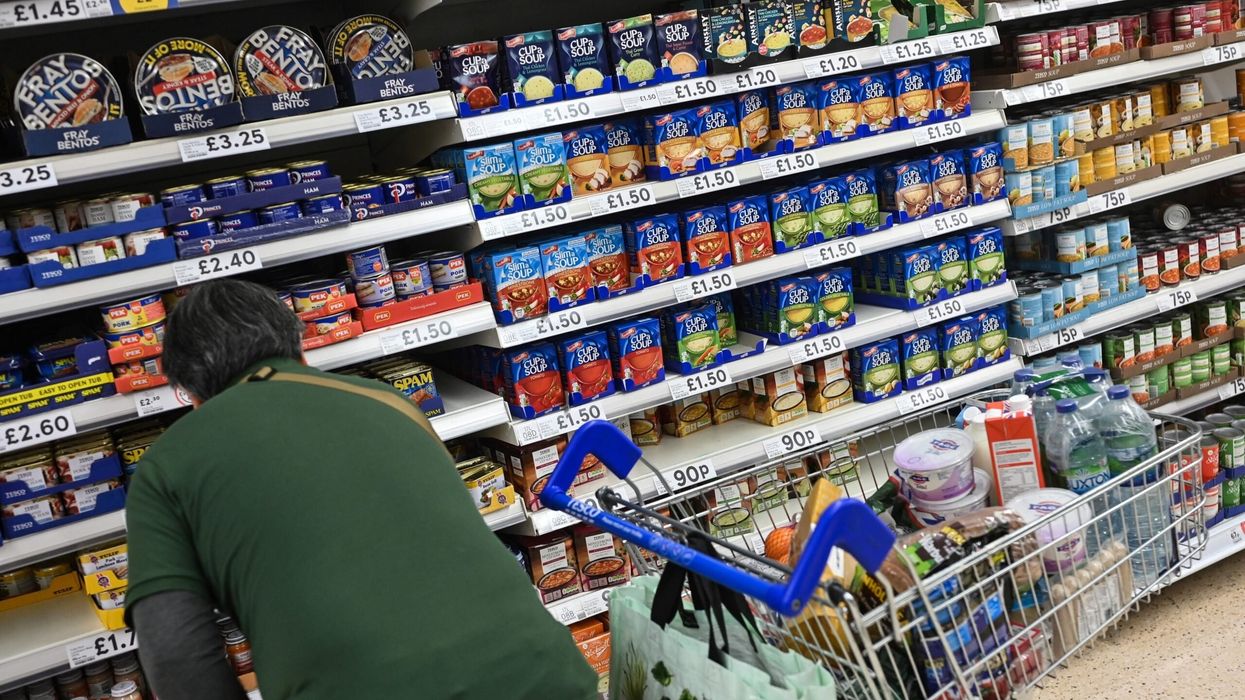

TESCO is set to face a £1 bn rise in its National Insurance Contributions (NICs) bill over this parliamentary term.
This increase forms part of the £25 billion in revenue Labour’s new NICs policy is projected to generate, reported The Sunday Times.
A group of 200 business leaders has urged chancellor Rachel Reeves to reconsider the rise due to fears it could lead to job cuts and higher prices.
The policy change, which raises NICs and lowers the earnings threshold, is anticipated to hit companies with large workforces particularly hard.
Tesco, employing 300,000 in the UK, expects an annual NICs increase of £250 million, according to Morgan Stanley. The company has not disputed this figure.
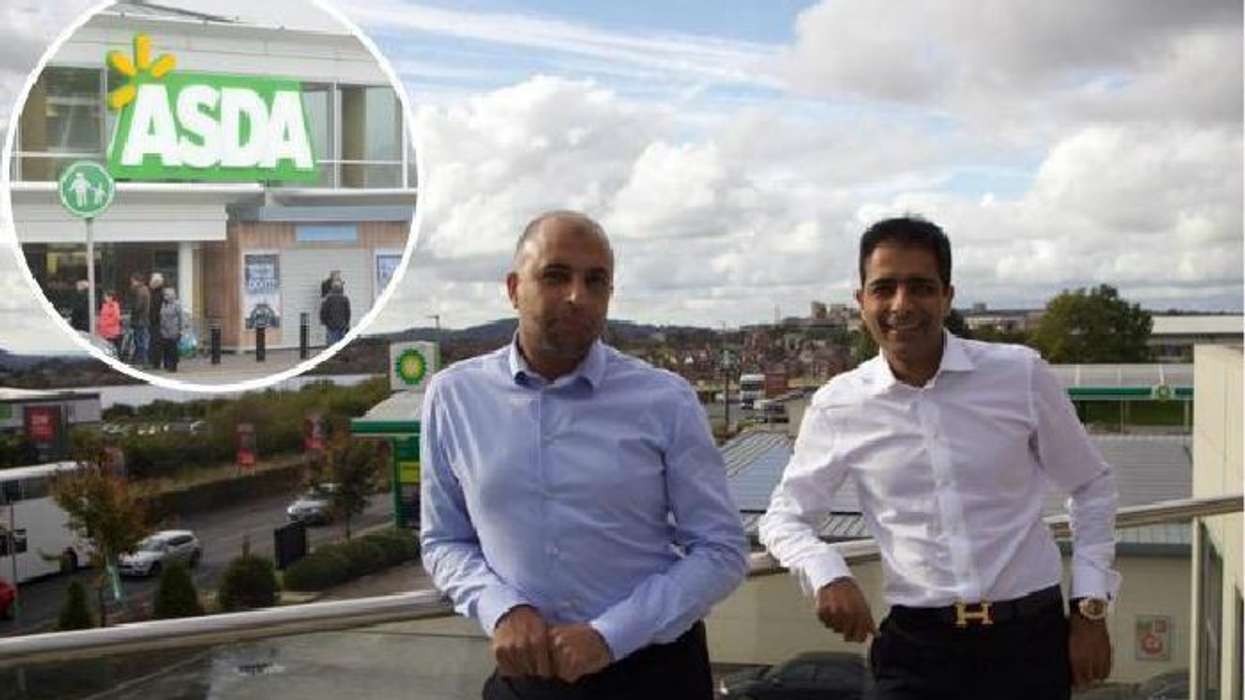
Retailers such as Asda, Sainsbury’s, and Morrisons have detailed the financial strain this will impose, with Asda chairman Lord Rose warning of “inflationary” impacts. Co-op disclosed that the increase will cost them tens of millions of pounds per year for its 55,000 employees.
UK Hospitality has joined the calls for relief, with businesses warning Reeves that if costs are not absorbed or passed on, they will have to reduce investment, jobs, and hours. The sector may see up to an 8 per cent rise in prices, while Morgan Stanley projects food price inflation will exceed 2 per cent next year, the newspaper reported.
In a letter to Reeves, hospitality leaders, including the heads of Mitchells & Butlers, Whitbread, and Greene King, expressed concern about the reduced NICs threshold, which they argue will make some minimum-wage jobs unsustainable.
They have requested options such as a reduced NICs rate or exemptions for part-time, lower-wage employees.
A Treasury spokesperson said the policy involved “difficult choices” necessary to restore stability, with more than half of employers seeing no change or a decrease in NICs.