
Skip to content
Search

Latest Stories

Submit Guest Post

Wage increase takes effect for thousands of workers in Scotland

UK government business secretary Jonathan Reynolds said the changes are part of the government’s Plan to Make Work Pay and the biggest upgrade to workers’ rights in a generation.

scotland-minimum-wages-iStock

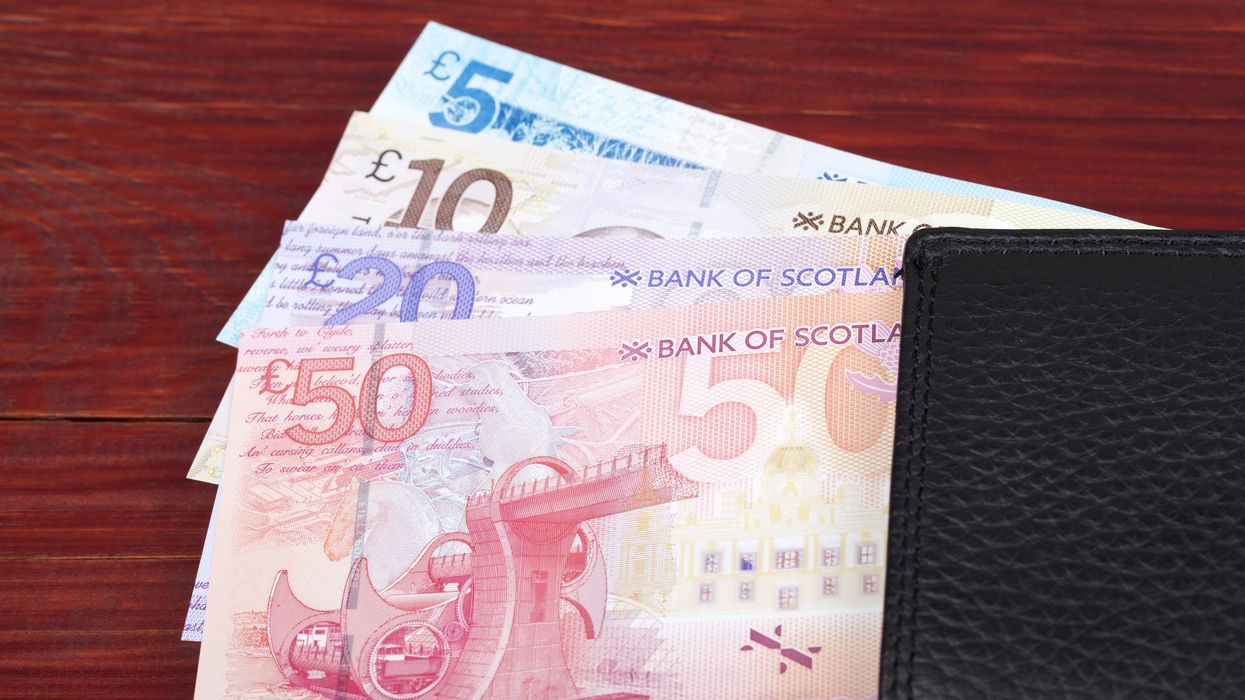
Full-time workers on the National Living Wage will receive an annual pay increase of £1,400 in real terms. (Representational image: iStock)

iStock

HUNDREDS of thousands of workers in Scotland will see a pay increase as new National Living Wage and National Minimum Wage rates take effect from Tuesday.

The changes will benefit approximately 220,000 people, according to STV News.


Full-time workers on the National Living Wage will receive an annual pay increase of £1,400 in real terms.

UK government business secretary Jonathan Reynolds said the changes are part of the government’s Plan to Make Work Pay and the biggest upgrade to workers’ rights in a generation. He added that ensuring fair wages would help drive economic growth.

The National Living Wage for those aged 21 and over has increased by 6.7 per cent, from £11.44 to £12.21 per hour.

The National Minimum Wage for workers aged 18 to 20 has increased by 16.2 per cent, from £8.60 to £10 per hour, STV News reported.

For those under 18, it has risen by 18 per cent to £7.55 per hour. The Apprentice Rate has also increased by 18 per cent, from £6.40 to £7.55 per hour.

The Accommodation Offset is now £10.66 per day.

Scottish secretary Ian Murray said the increase is a landmark moment that will boost economic growth and ensure workers benefit.


Add EasternEye As Your Trusted Source
preferred source on google news

More For You

India UK
Indian companies are strengthening their investment footprint in the UK ahead of the India-UK trade deal.
iStock

India-UK trade deal clears final hurdle as new customs rules pave way for July 15 rollout

  • India has notified customs rules for the India-UK Free Trade Agreement, clearing the way for its implementation on July 15.
  • The agreement will eliminate or reduce tariffs on most goods traded between the two countries, benefiting exporters and businesses.
  • The deal is expected to increase annual bilateral trade by £25.5 billion in the long term.

The India-UK Free Trade Agreement (FTA) has taken another step towards implementation after India notified the customs rules that will determine whether goods qualify for preferential tariff treatment under the landmark deal. The new rules, issued by the Central Board of Indirect Taxes and Customs, will come into force on July 15, the same day the trade agreement becomes operational.

The notification outlines how the country of origin of goods will be determined under the India-UK Comprehensive Economic and Trade Agreement (CETA), a key requirement for exporters seeking lower or zero customs duties. Only products that meet the agreed origin criteria will be eligible for the tariff concessions offered under the agreement.

Keep ReadingShow less