
- Tata Steel UK says higher tariff-free steel import quotas could threaten British steelmaking and jobs.
- The company fears cheap steel diverted from Asia could make UK production commercially unviable.
- The warning comes after the UK increased tariff-free quotas for imports from India and Vietnam.
The UK's biggest steel producer has warned that changes to Britain's steel import rules could leave the country vulnerable to a surge of cheap steel imports, raising concerns about the future of domestic manufacturing and thousands of jobs.
Tata Steel UK said recent changes to tariff-free steel import quotas could allow larger volumes of steel from countries including India and Vietnam to enter the UK market, potentially undercutting British producers. The company warned that without stronger safeguards, the UK risks becoming a "dumping ground" for steel diverted from other markets.
The warning follows the Government's decision to increase tariff-free quotas for several Asian countries. According to reports, India's quota for metallic-coated galvanised steel has increased from 98,000 tonnes to 125,000 tonnes a year, while Vietnam's allowance has more than tripled from 51,000 tonnes to 174,000 tonnes. Imports exceeding those quotas remain subject to a 50 per cent tariff.
Why is Tata concerned?
Tata argues that the new quotas come at a time when other major markets are tightening protection for their domestic steel industries.
The company pointed out that the European Union has reduced tariff-free access for UK steel, while Britain has expanded quotas for some overseas producers. According to Tata, that difference could encourage exporters unable to sell elsewhere to redirect more steel into the UK.
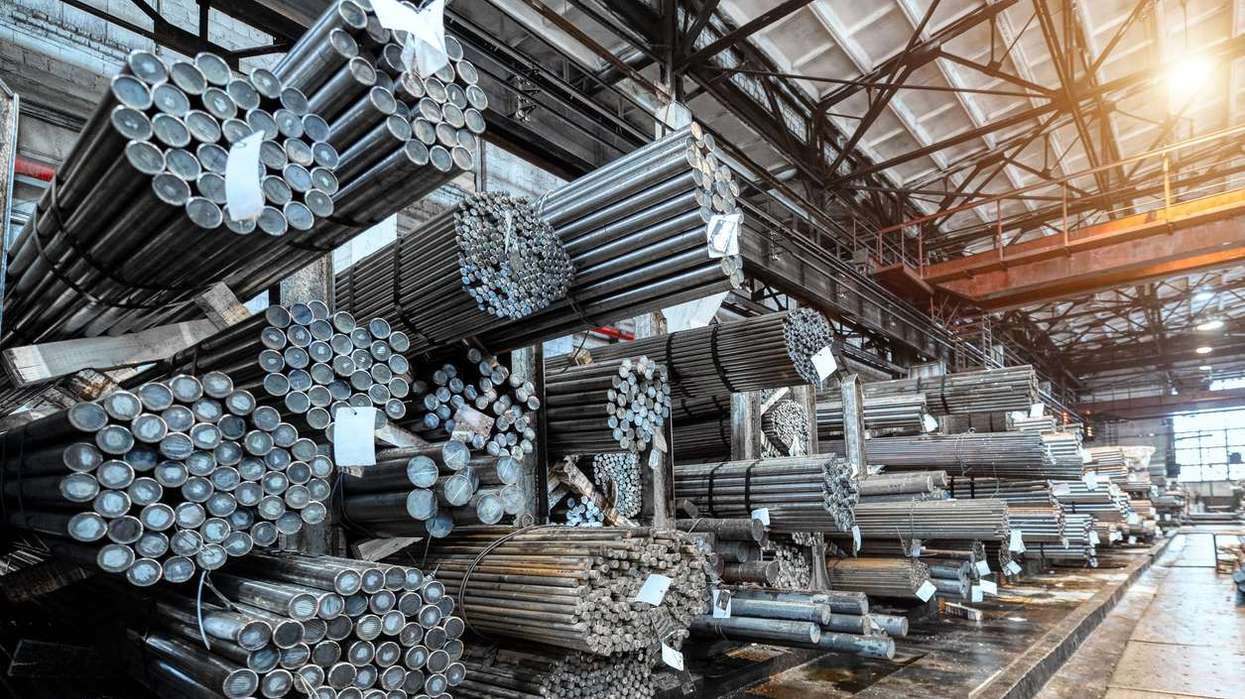
The concern is particularly significant for galvanised steel, which is widely used in sectors such as automotive manufacturing and construction. Tata's Llanwern plant in South Wales produces around 600,000 tonnes of galvanised steel each year. Combined tariff-free quotas for India and Vietnam now amount to almost 300,000 tonnes—roughly half of Llanwern's annual production.
A Tata Steel UK spokesperson reportedly said the company supports fair competition but believes UK producers are competing under stricter environmental standards than some overseas manufacturers. The spokesperson added that without the right balance between domestic production and fairly traded imports, Britain's steelmaking capability and wider manufacturing supply chains could be put at risk.
The company also reportedly warned that its current UK operations could become "unsustainable" if the import regime is not reviewed.
How does the UK trade deal fit into this?
The issue has also become linked to the UK-India trade agreement.
According to reports, the increase in India's tariff-free steel quota formed part of wider trade negotiations between London and New Delhi. The move has surprised parts of the British steel industry, which argues that higher quotas could weaken protections originally designed to prevent low-cost steel flooding the UK market.
There are also concerns about imports from Vietnam, where industry sources have suggested some Chinese steel may be processed before being exported onwards, although no official findings have confirmed this.
The Government introduced the tariff quota system to balance two competing priorities: protecting UK manufacturers while allowing businesses that rely on imported steel to continue accessing supplies.
Tata, meanwhile, is already restructuring its UK operations after closing the last blast furnaces at Port Talbot and investing in electric arc furnace technology to produce lower-carbon steel.
The latest warning highlights the challenge facing policymakers as they pursue international trade deals while trying to protect strategic industries. For Tata, the question is not whether Britain should import steel, but whether the current rules leave domestic producers competing on equal terms with overseas rivals.