
Highlights:
- Started out writing TV scripts before co-founding All India Bakchod (AIB).
- Turned AIB’s viral fame into a full-fledged content business.
- Rebuilt solo after AIB’s collapse with vlogs, streams, and new formats.
- Earns through brand deals, memberships, live streams, and start-up investments.
- Now seen as India’s richest YouTuber with an estimated £55.7 million (₹665 crore) net worth.
So, Tanmay Bhat is supposedly worth £55.7 million (₹665 crore). Let that number sit for a second. It’s ridiculous enough that he made a joke about it: “Bhai itne paise hote toh main YouTube membership nahi bech raha hota.” Fair point. If you had that kind of money, would you still be hustling on memberships?
But here’s the thing: the exact figure doesn’t tell the story. The story is about watching a company you helped build go up in flames and, instead of folding, using the wreckage to build something different and bigger. That’s the part that’s interesting. That’s the part worth picking apart.
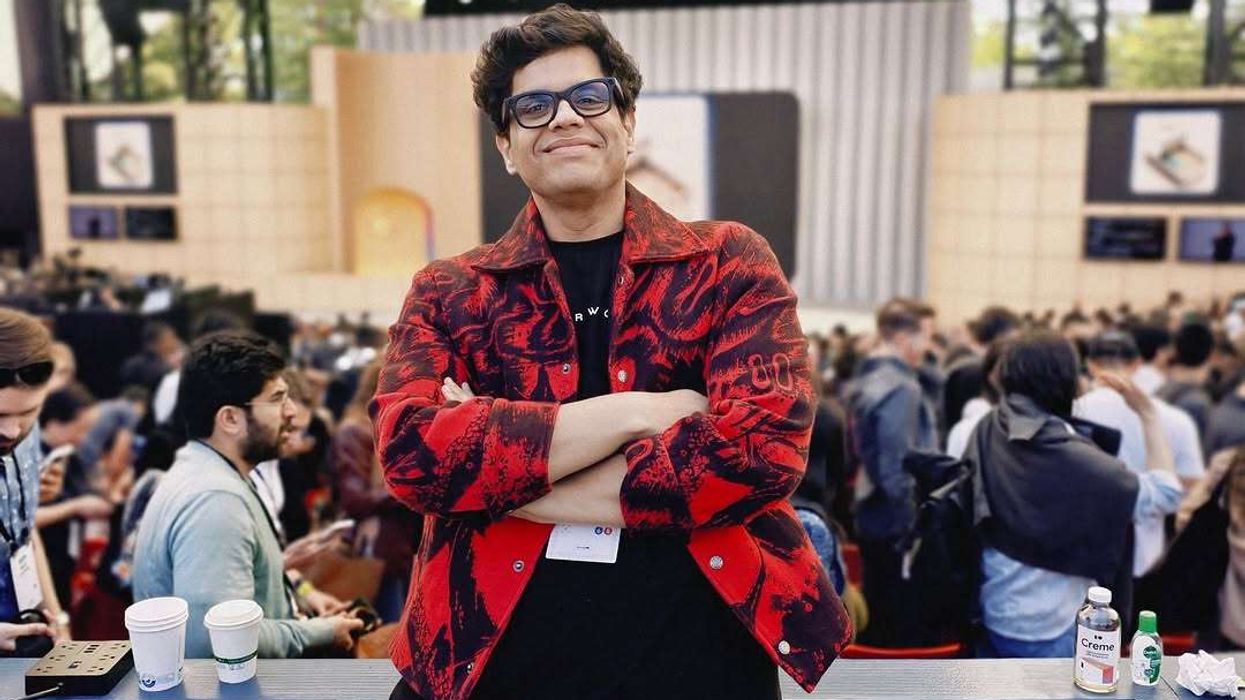
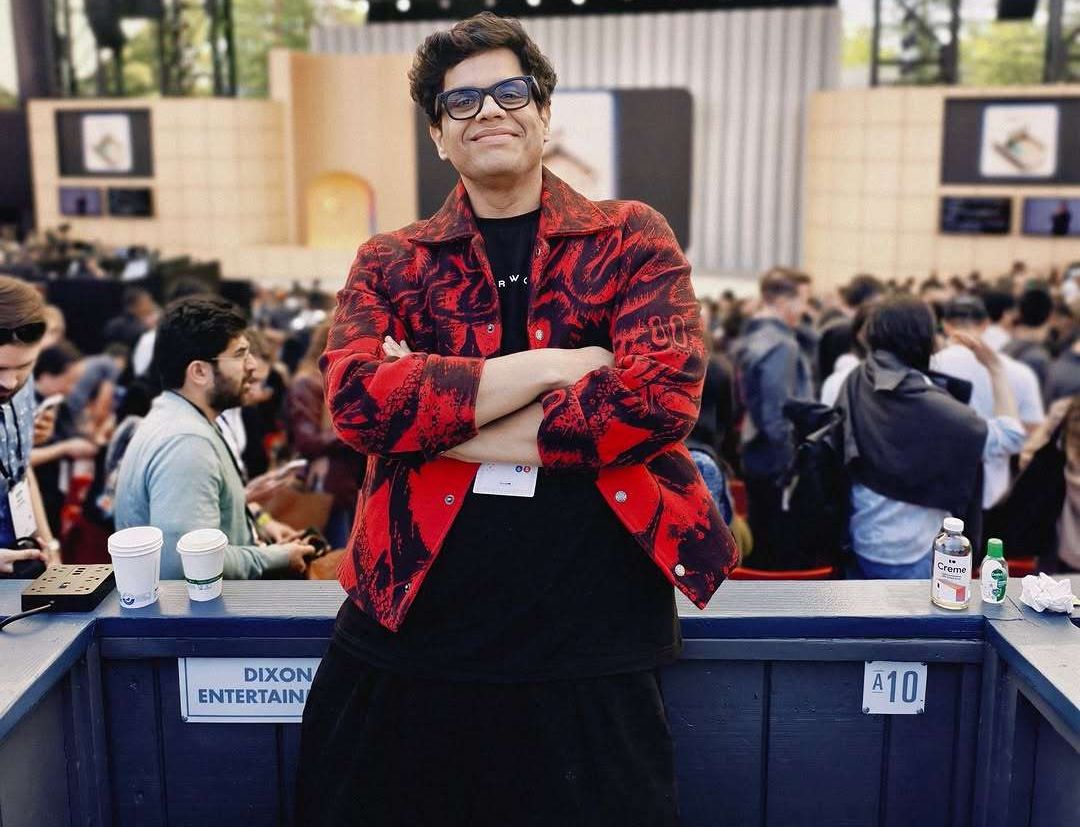 How Tanmay Bhat turned sketches and streams into a £56 million empire Instagram/tanmaybhat
In a nutshell, the Tanmay Bhat playbook:
- He didn’t just make sketches; he built a proper comedy business with AIB.
- When AIB crashed, he rewired himself, this time solo, raw, and more personal.
- He never relied on one paycheque: big brand deals (CRED), ads, live streams, merch, paid content, and start-up investments.
- He turned his struggles into a bridge to his audience. That honesty is currency.
 Inside Tanmay Bhat’s £56 million career — more than just viral videos Instagram/tanmaybhat
How did he actually start?
Before the roasting, before the Knockout, he wrote for MTV’s Wassup and for Disney. He learned structure, timing, and how to make TV screens listen. Then, in 2012, he teamed up with Gursimran Khamba, Rohan Joshi, and Ashish Shakya to build All India Bakchod. It wasn’t a side hustle. AIB was a production, a brand, a generator of viral sketches and sharp satire that young people latched on to.
The 2015 AIB Knockout with Ranveer Singh and Arjun Kapoor changed the rules. Suddenly digital comedy was a thing you could build a business around. AIB started selling branded sketches and producing campaigns, operating like a content agency. That was Tanmay’s first, big lesson: humour could be productised. Attention was a commodity, and it could be traded.
- YouTube youtu.be
What broke it and how he turned the collapse into a pivot
2018 arrived, and the #MeToo storm did what storms do. AIB imploded. Tanmay stepped away. For a lot of people, that’s curtains. For him, it became the pivot point.
He didn’t vanish. He went quiet, he spoke about depression, he took the hit, and then he came back, not with a business plan, but with a channel. By 2019, he was posting under his own name: loose vlogs, reaction videos, gaming streams, and interviews. The polish and script were gone. What replaced it was rawness and proximity. People noticed. Some came back. Some stayed.
Where the money actually comes from (and why it’s not just YouTube ads)
A lot of readers imagine a YouTuber lives off ad cheques. That’s a small part of this. His real edge is stitching together many income threads:
- Brand work : big campaigns where he’s often the creative force not just the face. CRED is a headline example.
- Live streams and memberships : marathon streams, Super Chats, fans buying in, a direct line from viewer to pocket.
- Podcasts, shows, and paid streams : Netflix bits, his own educational and opinion series, different formats, different sponsors.
- Merch and events : occasional drops and live shows that pull in sponsors.
- Angel investing : this is the quiet multiplier. Equity in start-ups can outgrow a year’s ad revenue, if the bets land right.
That mix is the engine. Tiny checks from many places add up. And equity changes the math entirely.
How does he stay believable and why does the audience stick?
It’s simple: he’s not polished in the glossy influencer way. He talks openly about clinical depression, flops, and bad nights. He says the stupid things, he jokes about the reports saying he’s worth crores while he’s still selling memberships. That honesty, almost messy and not curated, builds trust. In the attention economy, trust is the rarest currency.
The takeaway and it’s not about the headline number
Forget the £55.7 million (₹665 crore) headline for a minute. The useful thing here is a pattern: talent + product sense + diversification + honesty = longevity. He moved from comedian-in-a-group to solo entertainer, to brand strategist, to investor. He learned to sell virality, secure stakes, and make income flow from multiple taps.
 From comedy to cash: How Tanmay Bhat amassed £56 million beyond the screenInstagram/tanmaybhat
This is not a blueprint that guarantees crores for everyone. It’s a map that shows the choices that bend the game: make work that’s worth buying, build products around attention, take some bets off-screen, and don’t hide the mess. Tanmay’s story is full of sharp turns and bad nights, but also stubbornness. He lost a lot, publicly, and then built again. That’s the part worth paying attention to and perhaps more than any net worth headline.