
HOW BOGUS SOCIAL MEDIA BOOSTS HAVE BECOME BIG BUSINESS
by ASJAD NAZIR
THE legal authorities in India have finally caught up with what I pointed out in this newspaper column some years ago and are now investigating celebrities who have been paying for fake social media followers.
It has been reported that Indian police would question A-list Bollywood stars Deepika Padukone and Priyanka Chopra, who both have over 50 million Instagram followers each, in connection with the case.
According to initial reports, over 170 high-profile people in India including stars in film, music and sports have paid to get fake social media followers, along with manufactured likes’ on posts. Providing a fake social media boost to high-profile personalities has become such a big business in India that as many as 54 firms are reportedly involved in what has been described as a huge racket. Authorities in India are taking this so seriously that a special task force has been formed to investigate it.
These findings are not surprising because when I had teamed up with auditing websites to investigate Bollywood stars in particular, I had shockingly found that all frontline stars had less than 60 per cent genuine followers and some had as little as five to 10 per cent.
The biggest offenders on Twitter seemed to be Bollywood mega-stars Shah Rukh Khan and Amitabh Bachchan, who both show over 40 million Twitter followers each, but have significantly fewer. But they are not alone because pretty much every major Bollywood star has falsely boosted their following count on the micro-blogging site.
A great way to spot who the worst offenders on Twitter are is by seeing how little engagement they get on tweets in relation to the millions of followers each of them claim to have. Although Instagram had stepped up security to weed out fake followers, paid outside companies have found a way to boost follower numbers and likes.
Outsiders looking into this scandal may think it’s harmless and not worth investigating because everyone embellishes a little online, but there are far reaching consequences to fraudulent activity on social media by frontline stars and ‘influencers’ connected to fake followers.
Many of them get lucrative brand endorsements based on how many followers they have on social media and are often paid big money to put up posts. But if their follower count is fake then the company paying for social media advertising or getting a star to front a brand is getting badly cheated. It would be like paying to have your product advertised in a stadium full of people, but later discovering that most of those present were cardboard cut-outs. It has been reported that fake follower fraud will cost companies over one billion pounds this year.
Potential producers new to the film industry can also get duped and finance projects they think have popular stars based on fake follower counts. That is obviously apparent with some so-called popular stars that claim to have millions of followers and generate very little interest in terms of engagement.
Earlier this year when Parineeti Chopra and Arjun Kapoor, who claim to have nearly 20 million followers on Twitter, shared a trailer for their movie Sandeep Aur Pinky Faraar there was shockingly little interest. I demonstrated this by tweeting a photo of samosas, which got more retweets than posts promoting their film.
Another damaging aspect of fake followers not being spoken about is the mental damage it does on young people presented by impossible heights of popularity that don’t actually exist.
Big names in Bollywood are by far the worst offenders in India because South Indian cinema stars and TV personalities have largely stuck to having mostly genuine followers.
Some overly competitive fan groups are also contributing to the fake follower fraud by paying to have their favourite get a false boost to beat a rival star.
The Indian stars under investigation are unlikely to face criminal charges because it will be difficult to prove they paid for fake followers, but what this whole episode will do if publicised properly is show what you see on social media is largely not real and investors should keep alert.
Finally, fake follower fraud isn’t the only dishonesty exhibited by major stars in India on social media. It has been made a requirement that celebrities doing paid posts have to let followers know and in many countries it’s a law, but Indian celebrities will largely dupe followers by making them think their posts are real opinions. That is the next thing authorities in India need to clamp down on.


 Nigel Farage
 Rupert LoweGetty Images





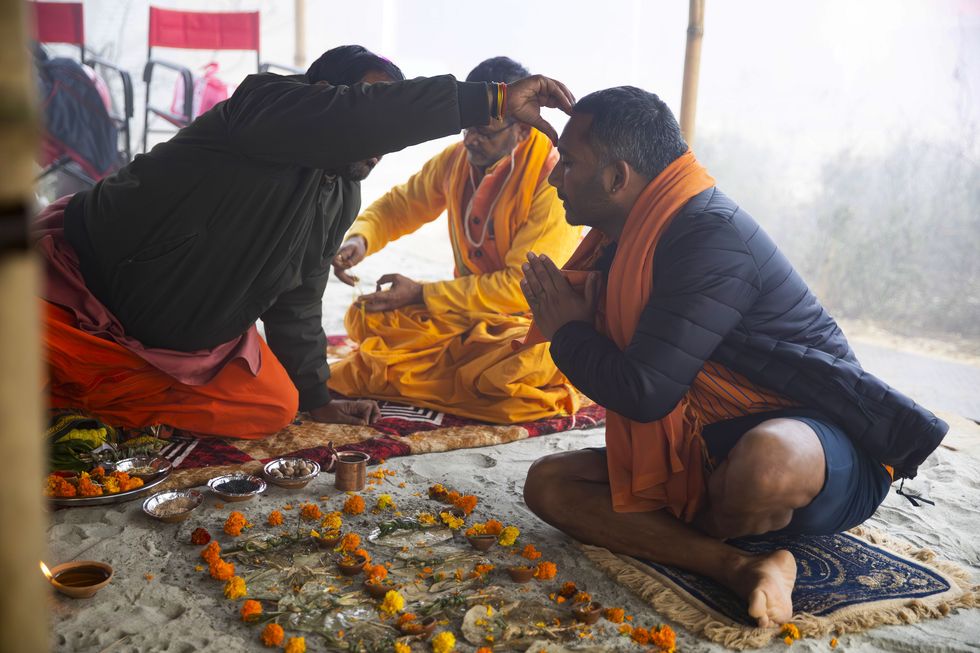 Rajan offers the pind daan in honour of his father and ancestors


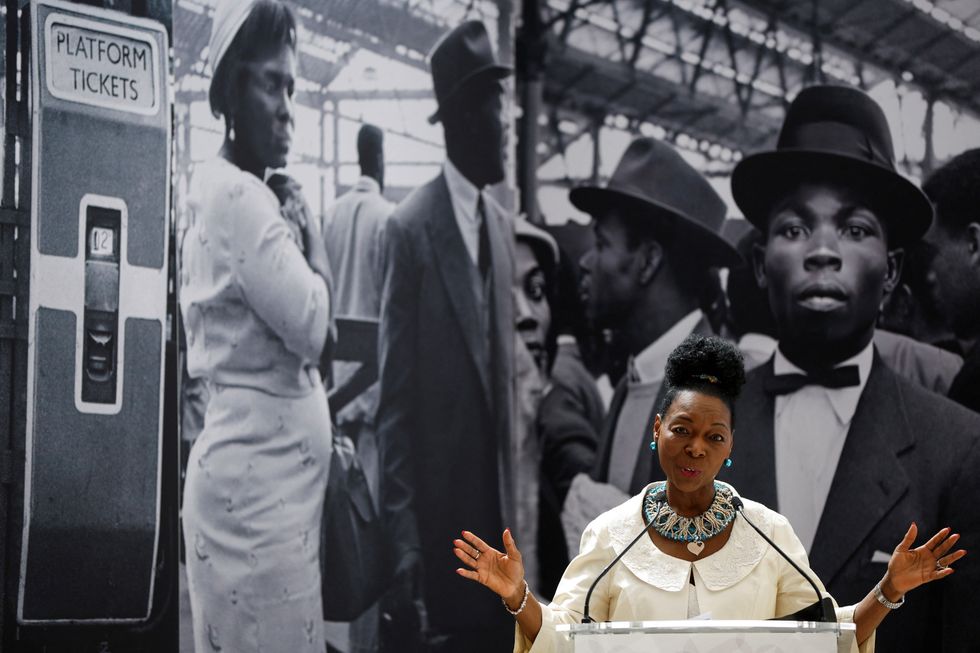 LONDON, ENGLAND - JUNE 22: Baroness Floella Benjamin speaks during the unveiling of the National Windrush Monument at Waterloo Station on June 22, 2022 in London, England. The photograph in the background is by Howard Grey. (Photo by John Sibley - WPA Pool/Getty Images)
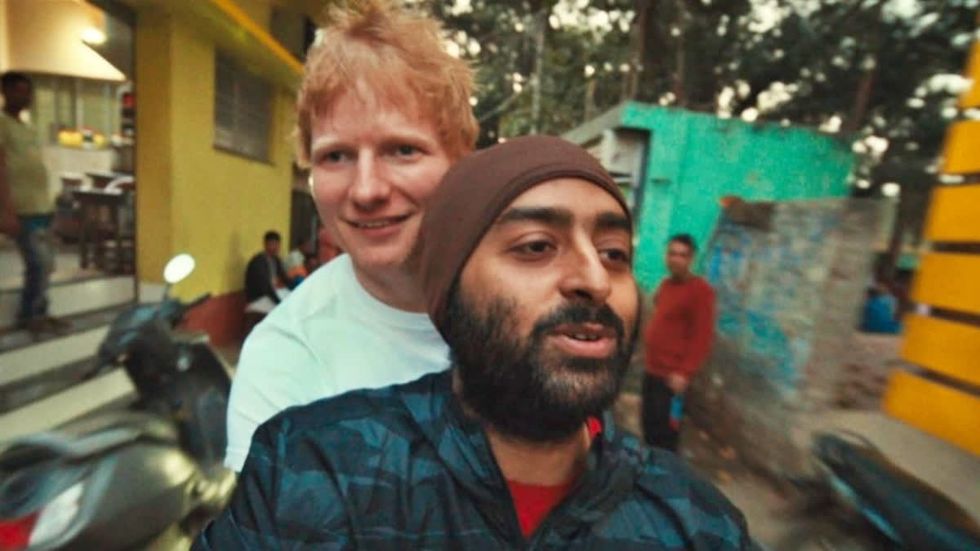 Ed Sheeran and Arijit Singh
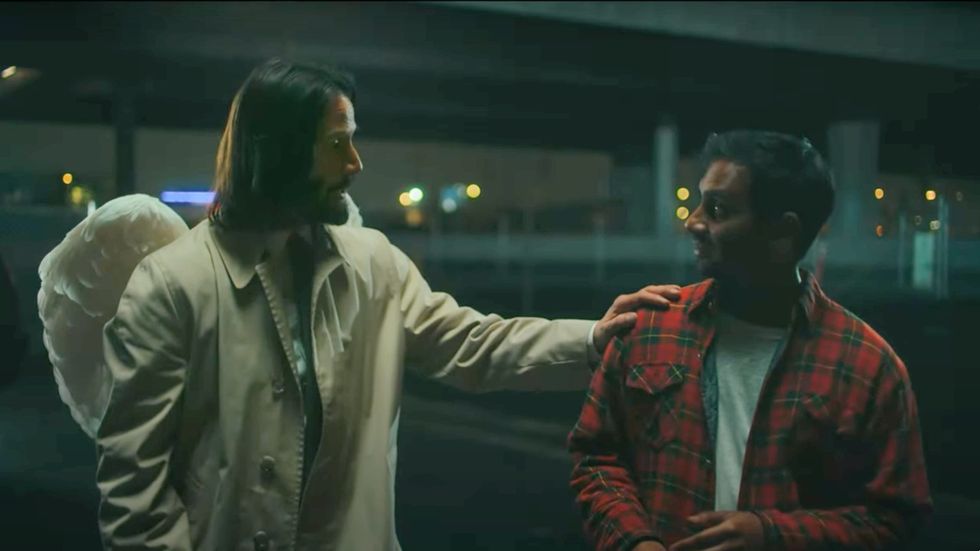 Aziz Ansari’s Hollywood comedy ‘Good Fortune’
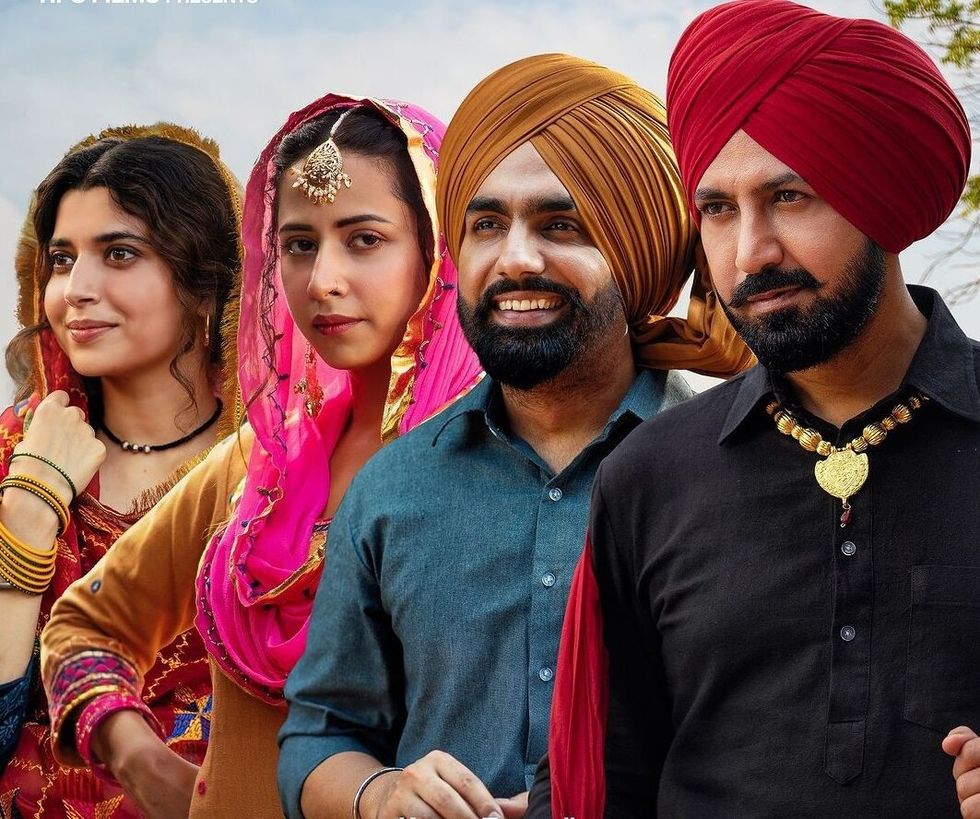 Punjabi cinema’s power-packed star cast returns in ‘Sarbala Ji’
 Mahira Khan
 ‘Housefull 5’ proves Bollywood is trolling its own audience
 Brilliant indie film ‘Chidiya’
  John Abraham
 Hina Khan and her long-term partner Rocky Jaiswal
  Shanaya Kapoor's troubled debut
 Sana Yousuf