Skip to content
Search

Latest Stories

Submit Guest Post

Government proposes new protections for stalking victims

The proposals follow a major review by police watchdogs, which highlighted shortcomings in protecting stalking victims.

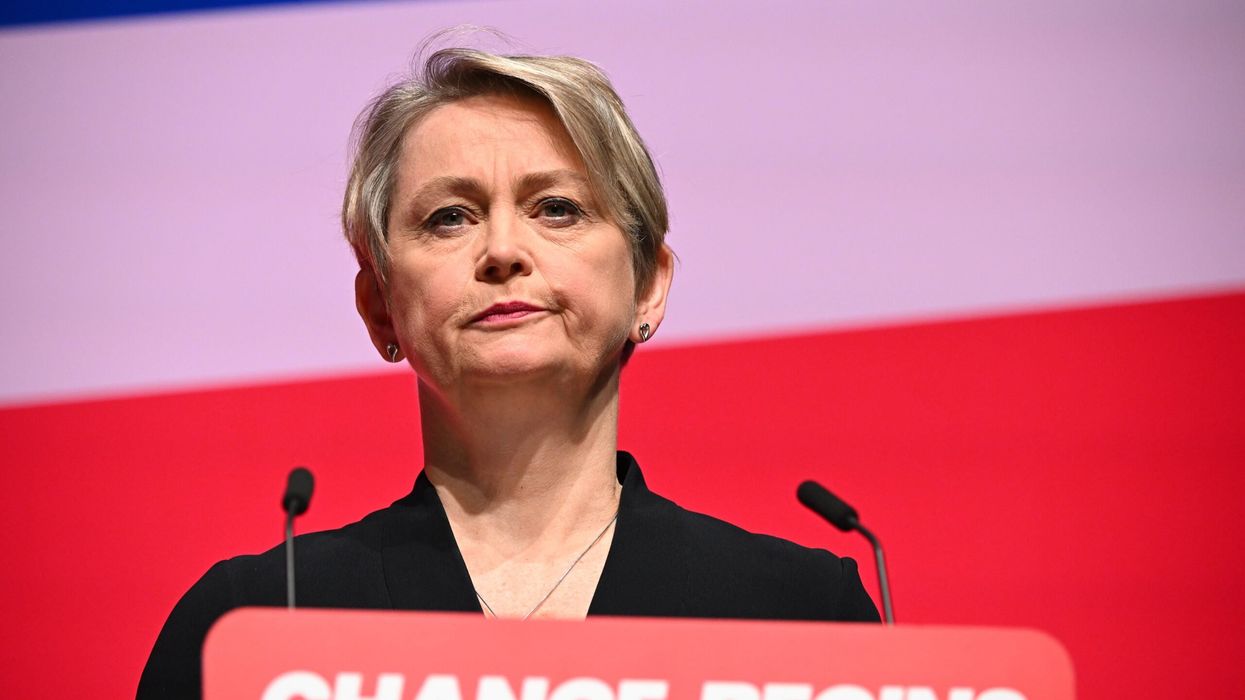
Home secretary Yvette Cooper stated the government would use 'every tool available' to protect victims and reduce the power of abusers. (Photo: Getty Images)

THE GOVERNMENT has proposed new measures to improve protection for stalking victims, including the right to know the identity of their abusers.

The Home Office announced that victims would be informed about the identity of online stalkers as soon as possible under the new guidance.


Home secretary Yvette Cooper stated the government would use "every tool available" to protect victims and reduce the power of abusers, reported BBC.

According to official figures, one in five women aged 16 and over in England and Wales has experienced stalking.

The measures, developed with input from broadcaster and activist Nicola Thorp, include expanding Stalking Protection Orders. These orders can restrict alleged stalkers from contacting or approaching their victims and will now be applicable post-conviction, even if not issued before a trial. Courts will also have the authority to impose orders on acquitted individuals if sufficient evidence shows they pose a risk.

Offenders will face stricter restrictions, including being barred from contacting their victims while in prison. A review of stalking legislation, better data collection on offences, and national standards for perpetrator programmes will also be introduced.

The proposals follow a major review by police watchdogs, which highlighted shortcomings in protecting stalking victims, reported BBC.

Safeguarding minister Jess Phillips described the measures as a vital step toward tackling stalking, while London’s victims' commissioner Claire Waxman welcomed the changes, citing the criminal justice system's previous failures in addressing stalking effectively.

The government says these initiatives are part of its broader mission to halve violence against women and girls within a decade.


Add EasternEye As Your Trusted Source
preferred source on google news

More For You

Migrants pay 60% more into NHS than their healthcare costs, analysis finds

The Immigration Health Surcharge is a fee that most people applying for eligible UK visas must pay as part of their immigration application. It is intended to contribute towards the cost of healthcare during their stay in the country.

Migrants pay 60% more into NHS than their healthcare costs, analysis finds

Highlights:

  • Migrants paying the IHS contributed at least 60% more to NHS finances than their estimated healthcare costs in 2023/24, including standard tax contributions.
  • The annual surcharge has risen from £200 to £1,035 for most visa applicants.
  • IHS revenue peaked at almost £2.5 billion in 2024/25.
  • The surcharge now accounts for more than 1 per cent of the NHS budget.
  • Revenue fell to £2.3 billion in 2025/26 as immigration numbers declined.
  • Around one-fifth of the NHS workforce comes from overseas, according to the Nuffield Trust fellow quoted in the report.

  • Migrants who pay to live and work in the UK are contributing substantially more to NHS finances than the estimated cost of the healthcare they receive, according to new analysis by the Nuffield Trust. The findings have reignited debate over immigration, healthcare funding and the purpose of the Immigration Health Surcharge (IHS).

    Keep ReadingShow less